Sand vs Investment Casting: Surface Finish
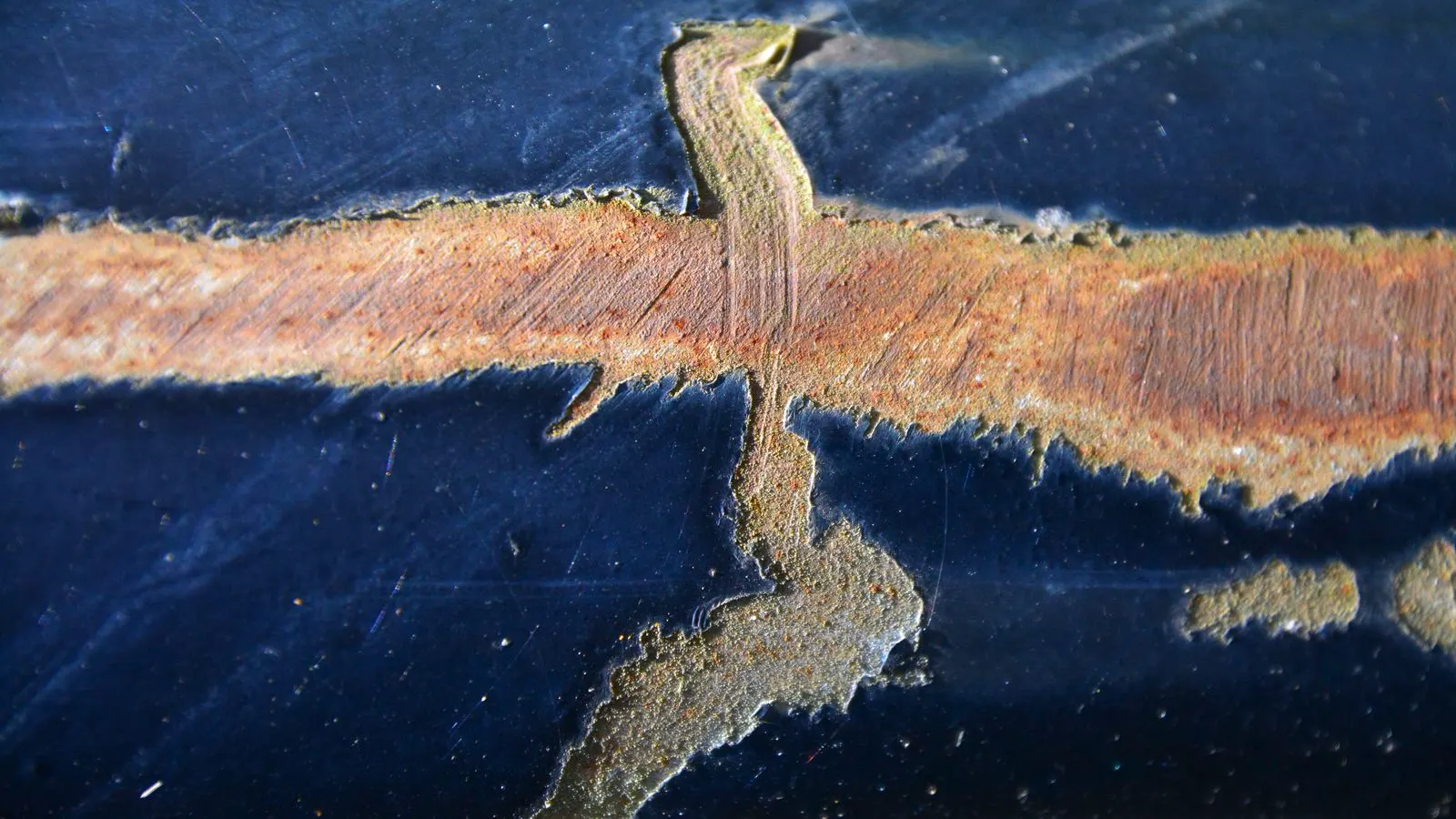
Investment casting delivers finer, smoother surfaces than sand casting with less post-processing. Sand casting creates a rougher texture that often requires grinding or machining. Choose investment casting when raw surface quality drives cost and lead time.
- Investment casting produces a smoother, finer-grained surface than sand casting due to finer refractory materials.
- Sand casting surface texture is rougher, typically requiring secondary finishing operations to meet dimensional or aesthetic specs.
- The choice between processes often depends on the target finish, part size, material, and production volume.
- Finishing costs and lead times are key factors when deciding if the inherent surface quality of investment casting justifies its higher base cost.
Inherent Surface Quality Differences
The surface finish of a casting is shaped by the molding material and the melt dynamics during solidification. Investment casting uses a fine refractory slurry, often silica or zircon-based, that coats the pattern at a microscopic level. This creates a mold wall that is dense and smooth. The resulting casting surface inherits that smoothness. Sand casting uses granular sand, typically quartz, feldspar, or olivine, bound with clay or resin. The grain size determines the base texture. Even fine sand leaves a grainier, more irregular surface than a ceramic or silica investment.
When you inspect a raw investment casting, the surface often looks like a fine matte finish. It may show subtle flow lines or minor surface defects, but the base texture is uniform. A raw sand casting shows a more pronounced graininess. You can feel the sand particles under a fingertip. The surface is less uniform, with small pits or voids where sand grains did not pack tightly. This difference matters when the part will be used as-is, or when the customer requires a specific surface quality without extensive machining.
How Molding Material Affects Texture
The molding material is the primary driver of surface texture. In investment casting, the investment material is applied as a slurry. The particles are small, often in the micrometer range. The slurry is heated and set, creating a hard, smooth shell. The finer the investment, the smoother the casting surface. However, very fine investments can be more expensive and may require longer cure times. They are also more sensitive to pattern surface quality. If the pattern has a rough surface, the investment will replicate that roughness.
Sand casting uses a granular material. The sand grains are much larger than investment particles. The texture depends on the sand grade. Coarser sands produce a rougher surface. Finer sands produce a smoother surface, but at a higher cost. The sand compaction method also matters. Hand rammed sand may produce a less uniform texture than machine rammed sand. No-bake or resin-bonded sands can produce smoother surfaces than green sand, but they still do not match the smoothness of investment.
The surface finish of a casting is not just about the molding material. It is also influenced by the melt temperature, the pour rate, and the mold venting. High melt temperatures can cause a smoother surface by reducing surface tension effects. Poor venting can lead to porosity or inclusions, which degrade the surface finish. Both processes require careful control of these variables to achieve the best possible surface quality.
Comparison of Surface Finish Characteristics
The following table compares the inherent surface finish characteristics of investment and sand casting. It highlights the typical texture, the need for secondary finishing, and the factors that influence the final quality.
| Option | Best for | Limitations |
|---|---|---|
| Investment Casting | Fine detail, smooth surfaces, finish-critical parts | Higher base cost, limited to certain materials, smaller part sizes |
| Sand Casting | Large parts, rough surfaces, low-cost applications | Rougher texture, requires more finishing, larger dimensional variation |
| Finer Sand Casting | Parts needing a smoother surface than standard sand | Higher sand cost, still rougher than investment, more finishing |
| High-Quality Investment | Precision parts, aerospace, medical | Very high cost, complex production, limited material range |
| Resin-Bonded Sand | Medium-sized parts, moderate surface quality | Rougher than investment, faster than green sand, moderate cost |
Investment casting is generally preferred when the part requires a smooth surface with minimal post-processing. It is common in aerospace, medical, and high-end automotive applications. The surface quality is consistent, and the parts often require only light grinding or polishing. Sand casting is preferred for large parts, high-volume applications, or parts where the surface will be machined anyway. The cost of the raw casting is lower, and the process is faster. However, the surface texture is rougher, and more finishing is required.
When to Choose Investment Casting
Choose investment casting when the surface finish is a key requirement and the part is small to medium in size. This is common in valve bodies, pump parts, aerospace components, and medical devices. The investment process produces a surface that is close to the final desired quality. This reduces the need for machining, grinding, or polishing. The parts are often used as-is, or they undergo light finishing. The surface quality is consistent, which is important for parts that must meet strict aesthetic or functional requirements.
Investment casting is also chosen when the part has complex geometry. The fine investment material allows for thin walls and intricate details. The surface quality is better for these parts because the mold is smooth and detailed. Sand casting can produce complex parts, but the surface quality is not as good for thin or intricate features. The sand may not pack tightly in small cavities, leading to a rougher surface and higher defect rates.
The cost of investment casting is higher than sand casting. The investment material is more expensive, and the production process is more labor-intensive. The parts are smaller, so the per-part cost is higher. However, the reduced need for secondary finishing can offset the higher base cost. If the part requires extensive machining or polishing, the total cost of investment casting may be competitive with sand casting.
When to Choose Sand Casting
Choose sand casting when the part is large, high-volume, or does not require a high surface finish. This is common in automotive engine blocks, large valve bodies, and industrial parts. The sand casting process is faster and less expensive. The parts are larger, so the per-part cost is lower. The surface quality is rougher, but this is often acceptable if the part will be machined. The surface texture does not affect the final part if the critical surfaces will be machined.
Sand casting is also chosen when the part is made from a material that is difficult to cast using investment. Some alloys are not suitable for investment casting. Sand casting is more versatile in terms of material range. It can produce parts from a wider range of metals, including non-ferrous alloys and some steels. The surface quality is less important for these parts because they are often machined or coated.
The surface finish of a sand casting part can be improved by using finer sand or resin-bonded sand. This reduces the graininess of the surface. However, it does not match the smoothness of investment casting. The parts still require more finishing than investment castings. The cost of the finer sand and the additional finishing operations may make sand casting less competitive for finish-critical parts.
Finishing Operations and Cost Impact
The surface finish of a casting affects the cost of the finishing operations. Investment castings require less finishing. They often need only light grinding or polishing. The surface is smooth and uniform, so the finishing process is faster and less labor-intensive. Sand castings require more finishing. They may need grinding, machining, or polishing to meet the required surface quality. The rough texture of the sand casting surface means that more material must be removed. This increases the cost and time of the finishing process.
The amount of material removed during finishing is a key factor in the total cost. If a part requires 1 mm of material removal, the cost is higher than if it requires 0.1 mm. The rougher the surface, the more material must be removed. The investment casting surface is smoother, so less material is removed. This reduces the cost and time of the finishing process. The parts are also less likely to have surface defects that require repair.
The finishing operations also affect the dimensional accuracy of the part. If a part is machined, the final dimensions are determined by the machining process, not the casting. If a part is used as-is, the casting dimensions must be accurate. Investment casting is better for parts that are used as-is because the surface quality and dimensional accuracy are better. Sand casting is better for parts that will be machined because the casting dimensions are less important.
Surface Inspection and Quality Control
Surface inspection is a critical step in quality control. It ensures that the surface finish meets the required specifications. The inspection method depends on the surface finish requirement. Visual inspection is used for basic quality checks. It identifies visible defects such as porosity, inclusions, and flow lines. Surface roughness measurement is used for quantitative checks. It measures the surface texture in microns or microinches.
Investment castings are easier to inspect because the surface is smoother and more uniform. The defects are less likely to be present, and the surface roughness is more consistent. Sand castings are harder to inspect because the surface is rougher and more variable. The defects are more common, and the surface roughness is less consistent. The inspection process may take longer for sand castings.
Quality control is important for parts that are used in safety-critical applications. The surface finish must meet strict requirements. The inspection process must be thorough and consistent. The parts must be tested for surface defects and roughness. The inspection results must be documented and retained. The quality control process must be part of the manufacturing process.
Selecting the Right Process
The choice between investment and sand casting depends on the part requirements. The surface finish is a key factor, but it is not the only one. The part size, material, production volume, and cost are also important. The reader should evaluate the part requirements and compare the processes based on those requirements.
If the part requires a smooth surface and is small to medium in size, investment casting is a good choice. If the part is large or high-volume, sand casting is a good choice. If the part will be machined, the surface finish requirement is less important, and sand casting is a good choice. If the part will be used as-is, the surface finish requirement is high, and investment casting is a good choice.
The final decision should be based on a detailed evaluation of the part requirements and the process capabilities. The reader should consider the total cost, including the casting and finishing costs. The lead time and production capacity should also be considered. The quality control process should be in place to ensure that the parts meet the required specifications.
Frequently asked questions
What is the typical surface roughness of investment casting?
Investment casting typically produces a smooth surface with low roughness values. The exact roughness depends on the investment material, mold quality, and melt conditions. It is often suitable for parts that require minimal finishing.
How does sand casting surface texture affect machining?
Sand casting surface texture is rougher than investment casting. This means that more material must be removed during machining. The rough texture can cause tool wear and affect the surface quality of the machined part.
Can sand casting parts achieve a smooth surface?
Yes, but it requires additional finishing. Finer sand or resin-bonded sand can reduce the graininess of the surface. Grinding or polishing is still needed to achieve a smooth finish.
Is investment casting more expensive than sand casting?
Yes, investment casting is generally more expensive than sand casting. The investment material and process are more costly. However, the reduced need for finishing can offset the higher base cost for some parts.
Which process is better for finish-critical parts?
Investment casting is better for finish-critical parts. It produces a smoother surface with less post-processing. The parts are often used as-is or require only light finishing.