Cost and Lead Time for Cast Aluminum Finishing

Post casting finishing adds cost and time to aluminum parts. The total depends on part size, tolerance, and chosen treatment. You can control lead time by specifying surface finish in the RFQ and comparing quotes based on material removal.
- Post casting finishing adds cost and time to aluminum parts.
- Material removal and surface quality drive most of the price.
- Specify finish requirements in the RFQ to compare quotes fairly.
- Lead time increases when multiple operations are stacked.
- Early design input reduces rework and shortens delivery.
What Drives the Cost of Post Casting Finishing
Post casting finishing for aluminum involves operations that improve surface quality, dimensional accuracy, or corrosion resistance. These steps add cost because they consume labor, machine time, and consumables. They also add time because each operation requires setup, processing, and inspection.
The biggest cost drivers are the amount of material removed and the final surface requirement. A part that needs only light deburring costs less than a part that requires full machining. A part needing a mirror-like surface costs more than one needing a matte finish.
Consider a small aluminum bracket. Deburring the sharp edges may take minutes. A full precision machining cycle to hold a tight flatness tolerance takes longer. The difference in machine time is the difference in price.
The size of the part matters too. Large castings require larger machines and longer cycles. Small parts may be batched more efficiently, but the setup time for complex geometries can still add up.
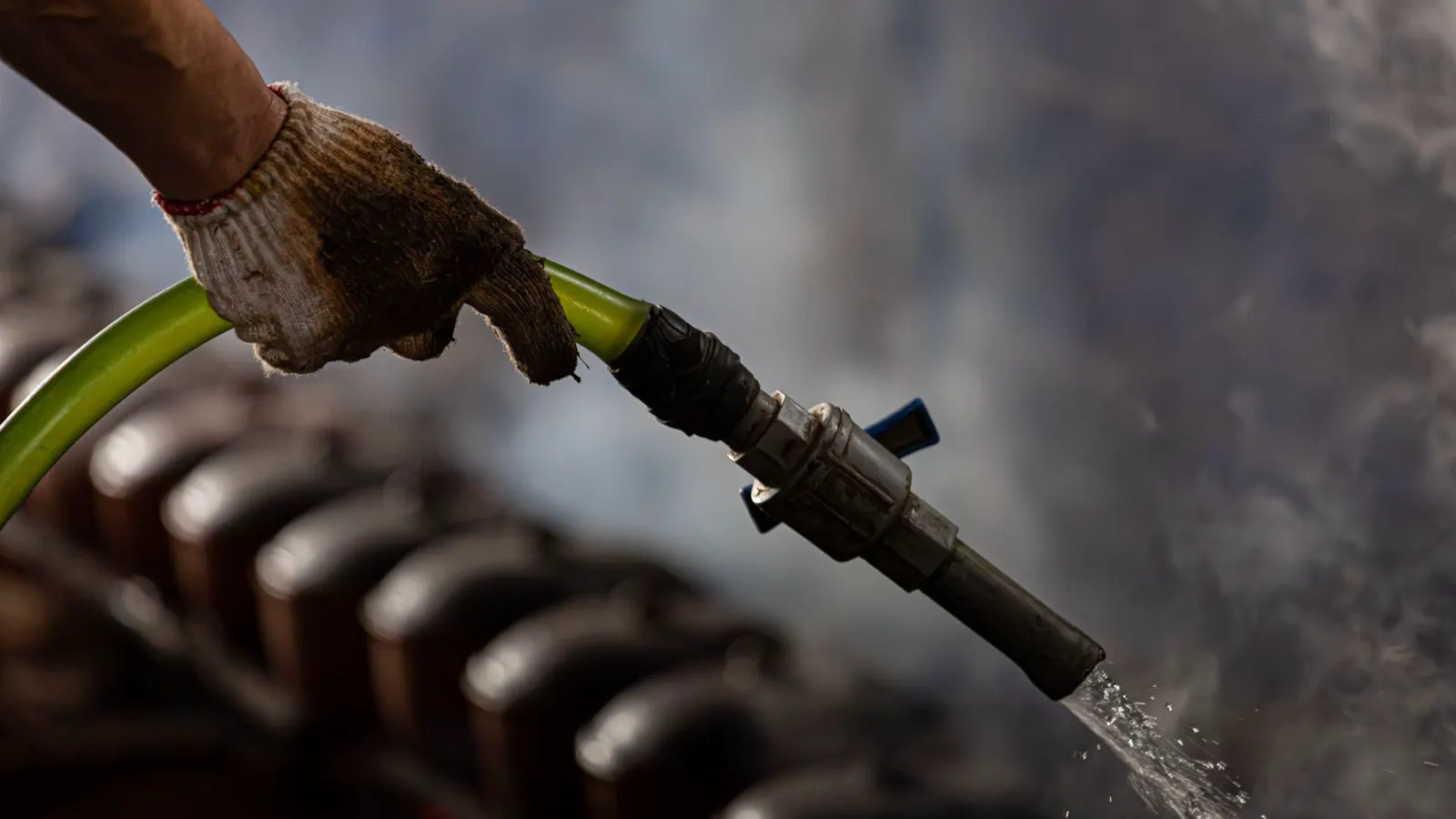
Corrosion protection adds another layer. Anodizing or powder coating requires chemical processing, drying, and curing. These steps take hours or days and require specialized equipment. The part must be clean before these treatments, which may require additional cleaning operations.
How to Structure a Clear RFQ for Finishing
A vague RFQ produces vague quotes. If you ask for “good finish” without defining it, the supplier will interpret that based on their standard process. They may propose a cheaper operation that does not meet your functional needs, or a more expensive one that you do not need.
State the surface finish requirement in measurable terms. Use surface roughness values, flatness tolerances, and corrosion protection standards. Reference the Explainer: Investment Casting Surface Finish Standards if you need a baseline for what is typical in your industry.
List each operation separately if you want a clear cost breakdown. For example, ask for quotes that itemize deburring, machining, anodizing, and final inspection. This makes it easier to see where the money is going.
Specify the quantity. Finishing costs change with volume. A small lot may require more setup time per part than a large production run. A large lot may allow batch processing that lowers the unit cost.
Define the acceptance criteria. Tell the supplier what you will measure and what limits you will use. If you require a certain color for anodizing, specify the color standard. If you require a certain surface texture, specify the measurement method.
Include the part drawing and the RFQ in the same package. The drawing should show the critical dimensions and the surface finish requirements. The RFQ should reference the drawing and add any special handling or packaging instructions.
How to Compare Quotes Fairly
Do not compare the total price alone. Two suppliers may quote different totals for the same part because they include different operations or use different methods.
Look at the unit cost and the setup cost. A supplier with low setup costs but high unit costs may be cheaper for large quantities. A supplier with high setup costs but low unit costs may be better for small lots.
Check the lead time for each operation. A supplier may offer a shorter lead time for the casting but a longer lead time for finishing. The total lead time matters more than the individual steps.
Ask about the process method. Is the part being machined with a standard mill or a CNC machine? Is the anodizing done by a local shop or a specialized facility? The method affects quality and cost.
Review the sample parts. If possible, request a sample of a similar part that has gone through the same finishing process. Inspect it against your requirements. If the sample does not meet your needs, the production parts will not either.
How Finishing Lead Time Affects Your Supply Chain
Finishing lead time is often the hidden bottleneck in cast aluminum projects. The casting may be ready in two weeks, but the finishing may take another two to four weeks. If you do not account for this, your delivery date will slip.
The lead time depends on the number of operations. A part that requires deburring only may be ready the next day. A part that requires machining, anodizing, and final inspection may take several weeks.
Queue time matters too. If the supplier is busy with other jobs, your part may wait in the queue. The lead time quote should include the queue time, not just the processing time.
Plan for inspection time. After finishing, the part must be inspected. If the inspection reveals a defect, the part must be reworked or rejected. This adds time that is not always included in the initial quote.
Communicate your deadline clearly. Tell the supplier your required delivery date. Ask them to confirm if they can meet that date. If they cannot, ask what changes would allow them to meet it.
How to Reduce Cost and Lead Time
You can reduce cost and lead time by making better design decisions early. Ask your design team to review the part for manufacturability. Are there features that require more machining than necessary? Can some tolerances be relaxed? Can the surface finish be simplified?
Combine operations where possible. If the part needs deburring and machining, ask if the same machine can do both. This reduces setup time and handling.
Specify a standard finish if possible. Custom finishes cost more and take longer. If your requirements can be met by a standard anodizing process, use that. It is cheaper and faster than a custom process.
Work with the supplier early. Bring them in during the design phase, not after the drawing is finalized. They can suggest changes that reduce cost and improve quality.
Document the requirements clearly. A clear RFQ reduces the chance of miscommunication. It also reduces the chance of rework, which saves time and money.
Common Mistakes in Finishing Cost Estimation
One common mistake is underestimating the cost of inspection. Inspection takes time and requires skilled personnel. If you do not budget for it, the final price will be higher than expected.
Another mistake is not accounting for rework. If the finish does not meet requirements, the part must be reworked. This adds cost and time. To avoid this, make sure your requirements are clear and achievable.
A third mistake is assuming that all suppliers will interpret your requirements the same way. They will not. You must be specific and measurable.
A fourth mistake is not checking the supplier’s capacity. If the supplier is overbooked, your part will wait. Ask about their current workload and confirm the lead time in writing.
When to Choose a Different Finishing Process
Sometimes a different finishing process is better. If the part needs high corrosion resistance but does not need a specific surface texture, a simpler coating may be enough. If the part needs a very smooth surface for optical purposes, a different process may be required.
The choice depends on your functional requirements. A part that will be exposed to moisture needs different protection than a part that will be used in a dry environment. A part that will be visible needs a different finish than a part that will be hidden.
Talk to your supplier about alternatives. They may know a process that meets your needs at a lower cost or with a shorter lead time. They have seen many parts and can suggest a practical solution.
How to Verify the Finish After Delivery
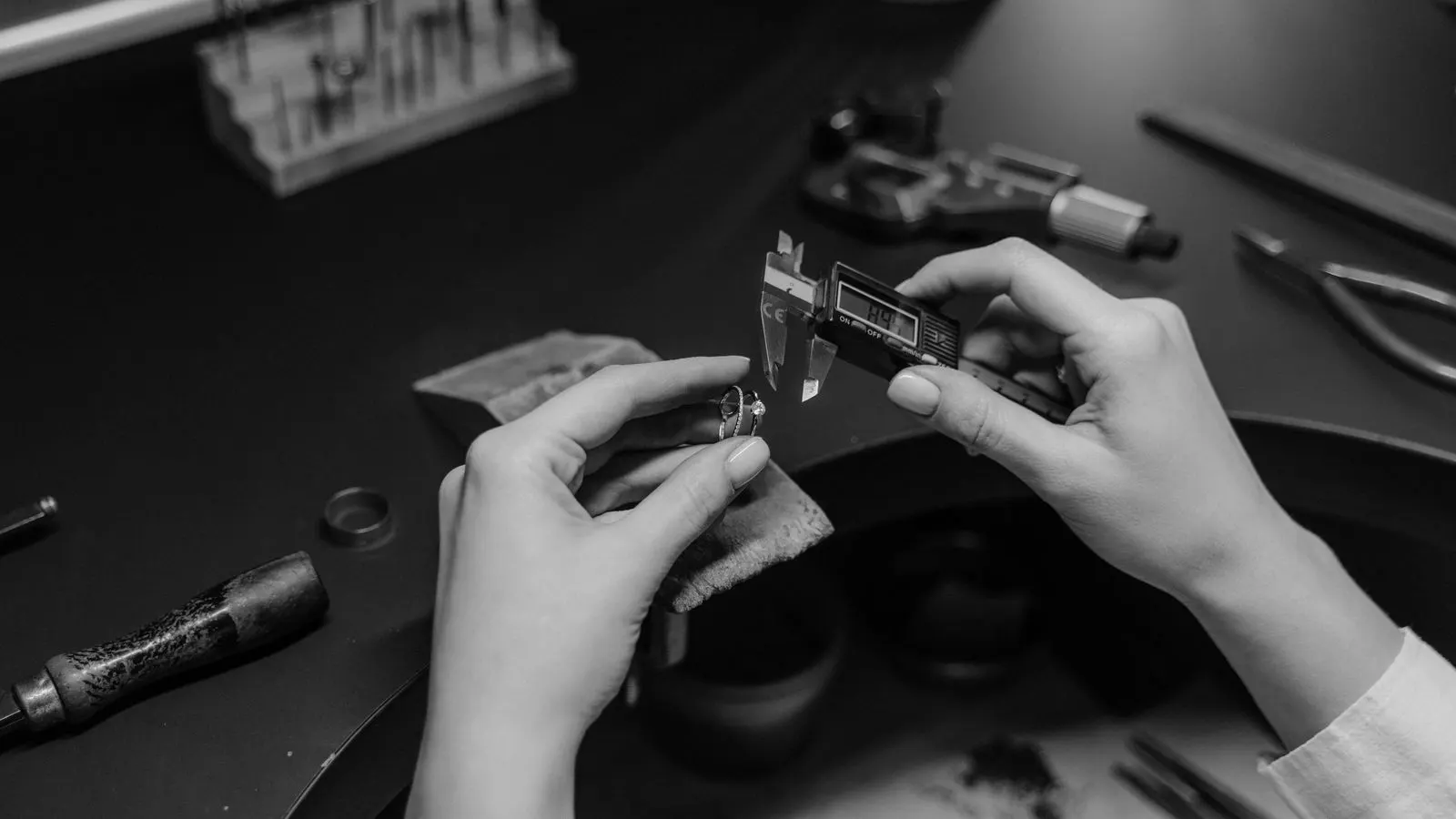
When the parts arrive, inspect them against your requirements. Check the surface roughness, flatness, and corrosion protection. Use the measurement methods you specified in the RFQ.
If the finish does not meet requirements, document the issue. Provide clear photos and measurements. Ask the supplier to review the issue and provide a corrective action plan.
Keep records of the inspection. This helps you track quality over time and identify patterns. It also helps you negotiate with the supplier if there are recurring issues.
Frequently asked questions
How much does post casting finishing add to the cost of an aluminum part?
It varies by part size, complexity, and chosen treatment. A simple deburring may add a small percentage. Full machining and anodizing can add a significant amount.
What is the typical lead time for finishing cast aluminum parts?
It depends on the operations. Simple deburring may take a few days. Multiple operations like machining and anodizing can take several weeks.
How can I reduce the cost of finishing?
Specify clear requirements, choose standard processes, and work with the supplier early in the design phase.
What should I include in my RFQ for finishing?
Include the part drawing, surface finish requirements, quantity, and acceptance criteria.
How do I know if the finish meets my requirements?
Inspect the parts using the measurement methods you specified. Check surface roughness, flatness, and corrosion protection.