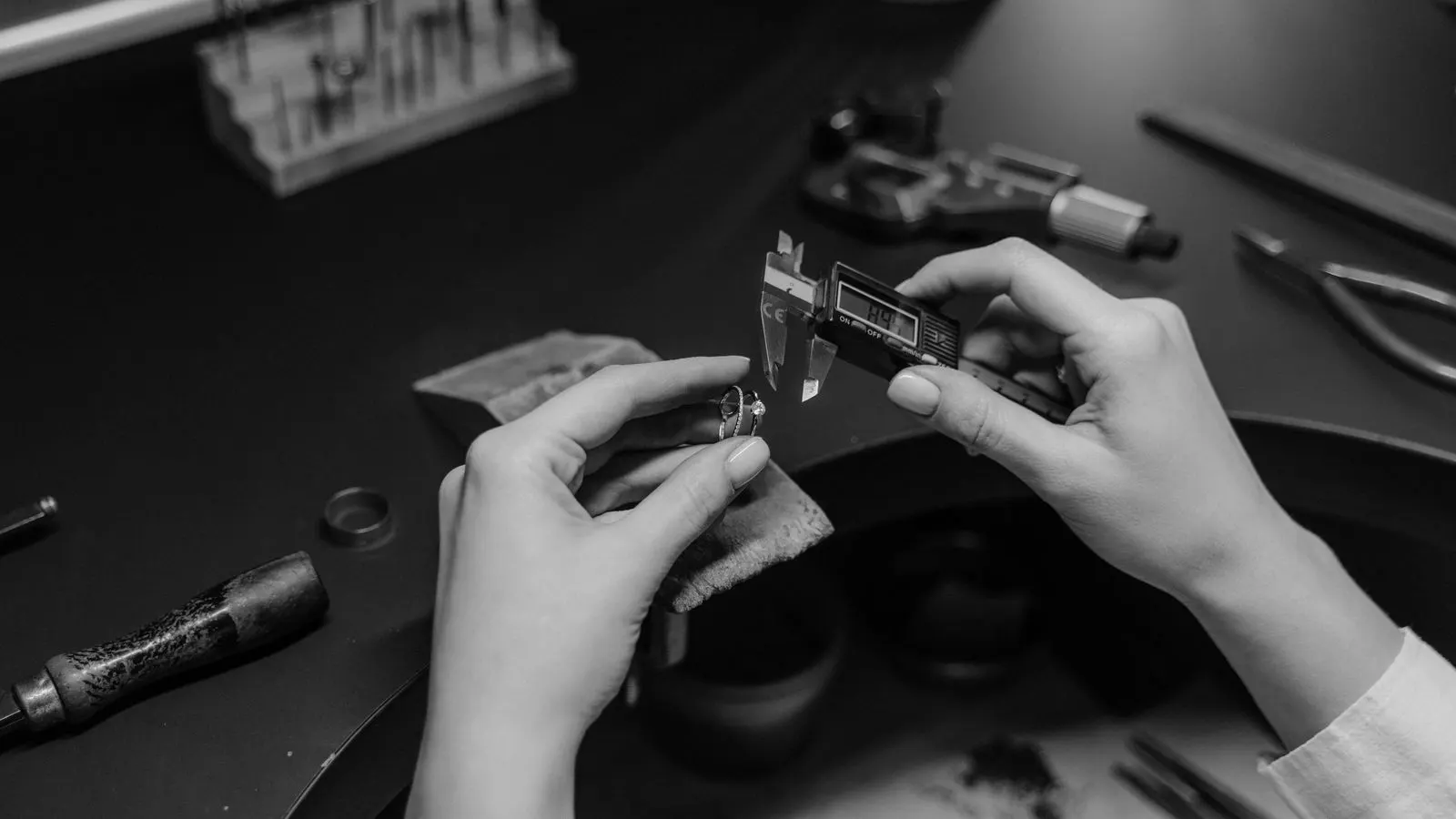
How to Specify Surface Finish in Investment Castings
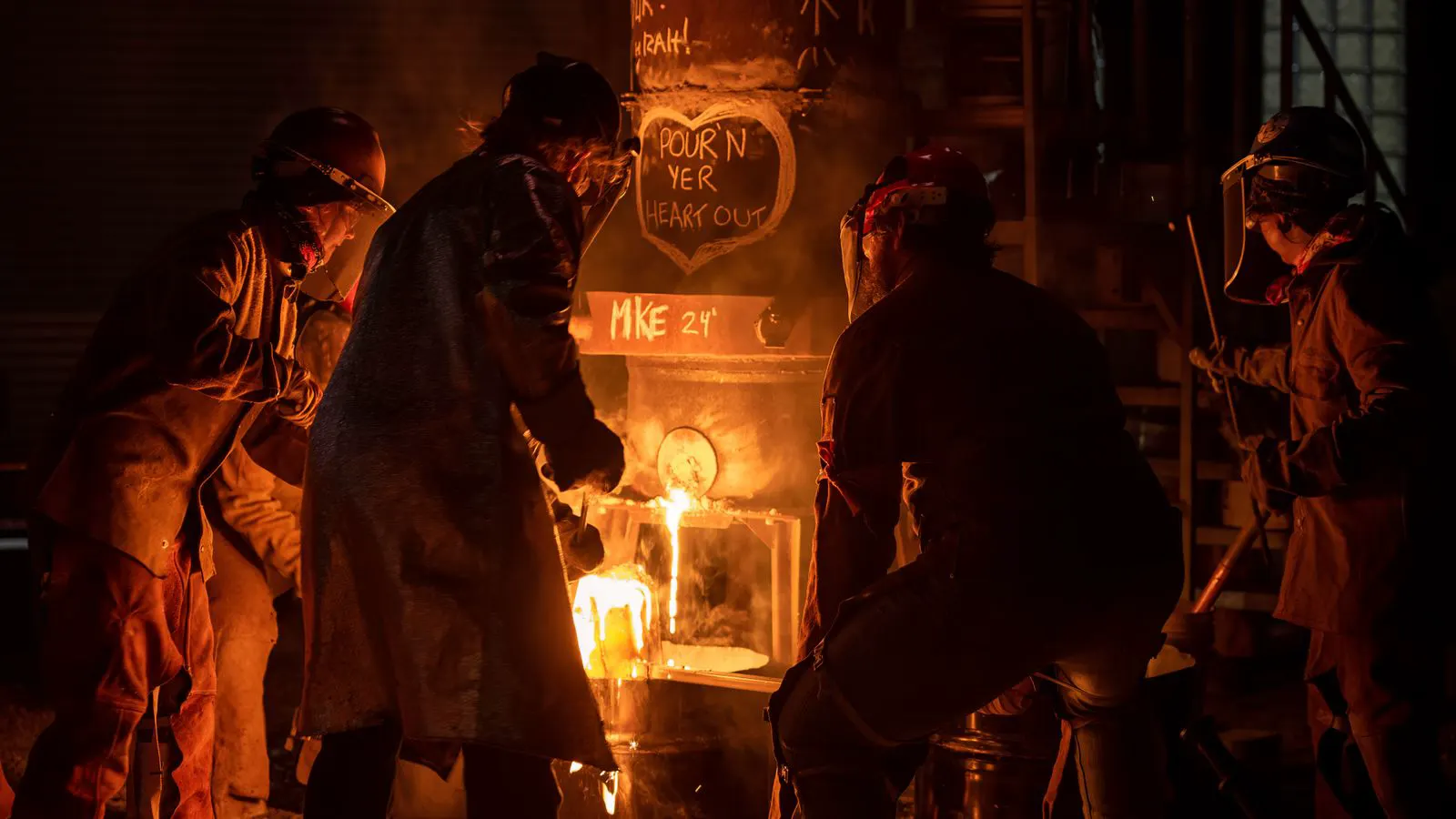
To specify surface finish in investment castings, define material, dimensional tolerances, and required post-processing steps. Use clear language, reference applicable tolerance standards, and verify results through sample approval and inspection.
- Define surface finish requirements using specific, measurable criteria rather than vague terms.
- Reference applicable tolerance standards to align expectations with industry practices.
- Specify required post-processing steps such as machining, grinding, or polishing to achieve the final finish.
- Use sample approvals to validate surface finish before full production runs.
- Verify final parts through inspection to ensure they meet the specified requirements.
Understanding the Baseline: What Determines Surface Finish in Investment Castings?
Before specifying surface finish in investment castings, it is essential to understand the factors that influence the final surface quality. Investment casting, also known as lost-wax casting, produces parts with fine surface detail due to its precision. However, the inherent surface finish of a raw casting is not always suitable for end-use applications. Factors such as the mold material, wax pattern quality, and casting process parameters all play a role in determining the initial surface condition.
The baseline surface finish of an investment casting is typically in the range of a rough, matte texture with visible sand or ceramic grain. This baseline may be acceptable for some applications, such as internal cores or non-visible components, but often requires further processing to meet functional or aesthetic requirements. Understanding this baseline helps in determining whether post-processing is necessary and what level of finish is achievable.
Step 1: Define the Functional and Aesthetic Requirements
The first step in specifying surface finish in investment castings is to clearly define the functional and aesthetic requirements for the part. Functional requirements include factors such as surface smoothness for fluid flow, sealing surfaces, or mating with other components. Aesthetic requirements may involve the visual appearance of the part, such as a polished finish for customer-facing products.
For each requirement, specify the expected surface characteristics. For example, if the part requires a smooth surface for a seal, state the maximum allowable roughness in terms of a surface finish parameter. If the part is visible to the end user, describe the desired visual quality, such as “uniform matte finish” or “high gloss polish.” This step ensures that the surface finish specification is directly tied to the part’s purpose, reducing ambiguity in communication with the foundry.
Step 2: Reference Applicable Tolerance Standards
The second step is to reference applicable tolerance standards in the surface finish specification. Tolerance standards provide a common language for expressing dimensional and surface requirements. By referencing a recognized standard, you establish a clear framework for interpreting the finish requirements.
For example, if the part has specific surface roughness requirements, reference the appropriate standard that defines surface finish classes. If the part has dimensional tolerances that affect surface quality, reference the standard that governs those tolerances. This step ensures that the foundry and the buyer share the same understanding of the requirements, reducing the risk of misinterpretation.
Step 3: Specify the Required Post-Processing
The third step is to specify the required post-processing steps to achieve the desired surface finish. Post-processing is often necessary to improve the baseline surface finish of an investment casting. Common post-processing methods include machining, grinding, lapping, polishing, and bead blasting.
For each required post-processing step, specify the method, the target surface finish, and any additional requirements. For example, if the part requires a polished finish, specify the type of polishing (e.g., mechanical polishing, chemical polishing) and the final surface roughness. If the part requires a matte finish, specify the method (e.g., bead blasting) and the target grain size. This step ensures that the foundry knows exactly how to achieve the desired finish, and it also helps in estimating the cost and time required for post-processing.
Step 4: Establish Inspection and Acceptance Criteria
The fourth step is to establish inspection and acceptance criteria for the surface finish. This includes defining how the surface finish will be measured, the acceptable range for each parameter, and the method for verifying compliance. For example, if the surface roughness is specified, state the method of measurement (e.g., profilometer) and the acceptable range. If the finish is visual, define the acceptance criteria (e.g., “no visible defects under normal lighting”).
This step ensures that the surface finish is objectively verifiable, reducing the risk of disputes over whether the part meets the specification. It also helps in ensuring consistency across production batches.
Step 5: Use Sample Approvals to Validate the Specification
The fifth step is to use sample approvals to validate the surface finish specification. Before full production, request a sample part from the foundry and review it against the specification. This step is critical for ensuring that the specification is achievable and that the foundry understands the requirements.
During the sample review, check the surface finish for any discrepancies with the specification. If the sample does not meet the requirements, discuss the issues with the foundry and adjust the specification if necessary. This step helps in identifying potential problems early and ensures that the final production parts meet the desired quality.
Step 6: Document the Specification Clearly
The sixth step is to document the surface finish specification clearly. This includes creating a detailed drawing or specification sheet that outlines all the surface finish requirements, including the functional and aesthetic requirements, tolerance standards, post-processing steps, and inspection criteria.
The documentation should be clear and unambiguous. Use precise language and avoid vague terms. For example, instead of saying “smooth finish,” specify the maximum allowable surface roughness. This step ensures that the specification is easily understood and can be used as a reference throughout the production process.
Common Mistakes to Avoid in Specifying Surface Finish
- Using Vague Language: Terms like “good finish” or “smooth” are too vague to be useful. Always use specific, measurable criteria.
- Ignoring the Baseline: Not considering the baseline surface finish of the casting can lead to unrealistic expectations. Always account for the inherent surface quality of the investment casting.
- Failing to Reference Standards: Not referencing applicable tolerance standards can lead to misinterpretation. Always use recognized standards to define requirements.
- Overlooking Post-Processing: Not specifying the required post-processing steps can result in a part that does not meet the desired finish. Always include post-processing in the specification.
- Skipping Sample Approvals: Not reviewing samples before full production can lead to costly rework. Always use sample approvals to validate the specification.
Final Verification: Ensuring the Specification is Achievable and Clear
The final step is to verify that the surface finish specification is achievable and clear. This involves reviewing the specification with the foundry to ensure that it is feasible and that all requirements are understood. If there are any issues or ambiguities, address them before proceeding to production.
This final verification step is critical for ensuring that the surface finish specification is both practical and clear. It helps in avoiding misunderstandings and ensures that the final parts meet the desired quality.
Table: Common Surface Finish Requirements and Post-Processing Methods
| Surface Finish Requirement | Post-Processing Method | Target Surface Roughness |
|---|---|---|
| Matte finish | Bead blasting | 10-20 μm |
| Smooth finish | Grinding | 5-10 μm |
| Polished finish | Mechanical polishing | 1-5 μm |
| High gloss finish | Chemical polishing | 0.5-1 μm |
| Sealing surface | Lapping | 0.1-0.5 μm |
Frequently asked questions
How do I specify surface finish in investment castings?
To specify surface finish in investment castings, define the functional and aesthetic requirements, reference applicable tolerance standards, specify the required post-processing steps, establish inspection and acceptance criteria, and use sample approvals to validate the specification.
What is the difference between surface finish and dimensional tolerance?
Surface finish refers to the smoothness and texture of the part's surface, while dimensional tolerance refers to the allowable variation in the part's dimensions. Both are important, but they address different aspects of quality.
Can I specify a high-gloss finish on an investment casting?
Yes, but it may require additional post-processing such as chemical polishing or mechanical polishing. The feasibility depends on the part's geometry and the material used.
How do I ensure that the foundry understands my surface finish requirements?
Use clear, measurable criteria and reference applicable tolerance standards. Use sample approvals to validate the specification and ensure that the foundry understands the requirements.
What are the common mistakes in specifying surface finish?
Common mistakes include using vague language, ignoring the baseline surface finish, failing to reference standards, overlooking post-processing, and skipping sample approvals.