Investment Casting Tolerance Standards: A Practical Outlook
Casting tolerances are shifting toward tighter dimensional accuracy and better surface finish. Buyers should plan for advanced quality requirements, tighter tolerances, and improved design-for-casting practices to reduce rework.
- Casting tolerances are becoming tighter across industries, requiring more precise process control.
- Design-for-casting practices are essential to reduce downstream machining and rework.
- Surface finish quality is increasingly important alongside dimensional accuracy.
- Early collaboration between designers and foundries improves tolerance outcomes.
- Quality planning must account for evolving customer expectations and industry standards.
How Are Casting Tolerances Changing in Modern Manufacturing?
Casting tolerances are evolving as industries demand higher precision, reduced rework, and better overall part performance. What used to be a loose fit between a foundry and an end user is becoming a highly coordinated process. Buyers and engineers are now looking beyond basic dimensional accuracy and considering how tolerance planning affects downstream machining, assembly, and lifecycle costs.
This shift is not driven by a single standard or regulation. It is driven by a combination of tighter customer specifications, improved process control, and a growing understanding that tolerance decisions made during design can save or cost significant resources later.
What Does “Tighter” Really Mean for Casting Projects?
When people talk about tighter casting tolerances, they often mean smaller dimensional variation, better surface finish, and more consistent geometry. In practice, this can mean the difference between a part that requires minimal machining and one that needs multiple operations to reach final dimensions.
For many buyers, the question is not simply whether a foundry can hold a specific tolerance, but whether the entire process can reliably achieve it at the required volume and cost. That requires attention to mold design, material behavior, gating and feeding systems, and post-casting inspection.
Which Industries Are Driving the Demand for Better Dimensional Accuracy?
Several sectors are placing stronger emphasis on precise investment castings. These include aerospace, energy, medical devices, automotive, and high-performance industrial equipment. In each case, the need for dimensional accuracy is tied to fit, function, safety, and performance.
Aerospace and energy applications, for example, often require parts that fit into tightly controlled assemblies where even small variations can affect performance. Medical and precision industrial applications may require not only tight dimensions but also consistent surface quality.
| Industry Focus | Typical Tolerance Concern | Common Quality Requirement |
|---|---|---|
| Aerospace | Critical fit and alignment | High dimensional accuracy |
| Energy | Sealing surfaces and mating parts | Consistent surface finish |
| Medical | Implant and device fit | Tight dimensional control |
| Automotive | Housing and component integration | Moderate to tight tolerance |
| Industrial Equipment | Wear surfaces and assembly | Reliable geometry |
This table is a general guide only. Actual requirements vary by part, application, and specification.
What Are the Most Important Shifts Buyers Should Plan For?
Buyers preparing for future investment casting work should watch for a few practical shifts in how tolerances are handled.
-
Tolerances are being considered earlier in the design phase.
Engineers are increasingly involving casting specialists during design review. This helps avoid specifying tolerances that are difficult or expensive to achieve in cast form. -
Surface finish is receiving more attention.
Dimensional accuracy alone is no longer enough. Surface finish affects machining time, corrosion performance, sealing, and final appearance. -
Quality requirements are becoming more measurable.
Customers are asking for clearer inspection criteria, traceability, and documentation. This means quality planning must go beyond a simple “within tolerance” statement. -
Design-for-casting is becoming a shared responsibility.
The best results come when the foundry, designer, and buyer all understand the practical limits of the process. This reduces rework and improves first-pass quality. -
Tolerance strategy is tied to lifecycle cost, not just part cost.
A slightly looser casting tolerance may be preferable if it reduces machining, assembly, or inspection effort later.
How Should Designers Prepare Parts for Tighter Tolerance Expectations?
Designers can prepare by reviewing each feature before specifying a tolerance. Not every feature needs the same level of precision. Some surfaces may be critical for fit or function, while others may only need to be clean and workable.
A practical approach is to ask:
- What is the functional purpose of this feature?
- What is the cost of exceeding the tolerance?
- Can this feature be cast closer to final form to reduce machining?
- Does the surface require a smooth finish or can it be machined later?
- Can the design account for typical casting shrinkage and flow behavior?
These questions help create a tolerance strategy that is realistic, cost-effective, and aligned with quality requirements.
What Role Do Foundries Play in Meeting Evolving Quality Requirements?
Foundries play a major role in whether a tolerance target is achievable. They must be able to interpret the drawing, identify risk areas, and propose practical solutions. A strong foundry will not simply quote a price; it will discuss how the part can be produced reliably.
That includes advice on mold design, riser placement, gating systems, material selection, and post-casting operations. It also includes a clear understanding of inspection methods and acceptance criteria.
Buyers should look for foundries that can explain:
- Which features are most likely to be difficult to control
- What level of dimensional accuracy is realistic
- How surface finish will be achieved
- What inspection and documentation will be provided
How Can Buyers Reduce Risk When Planning Tolerance Requirements?
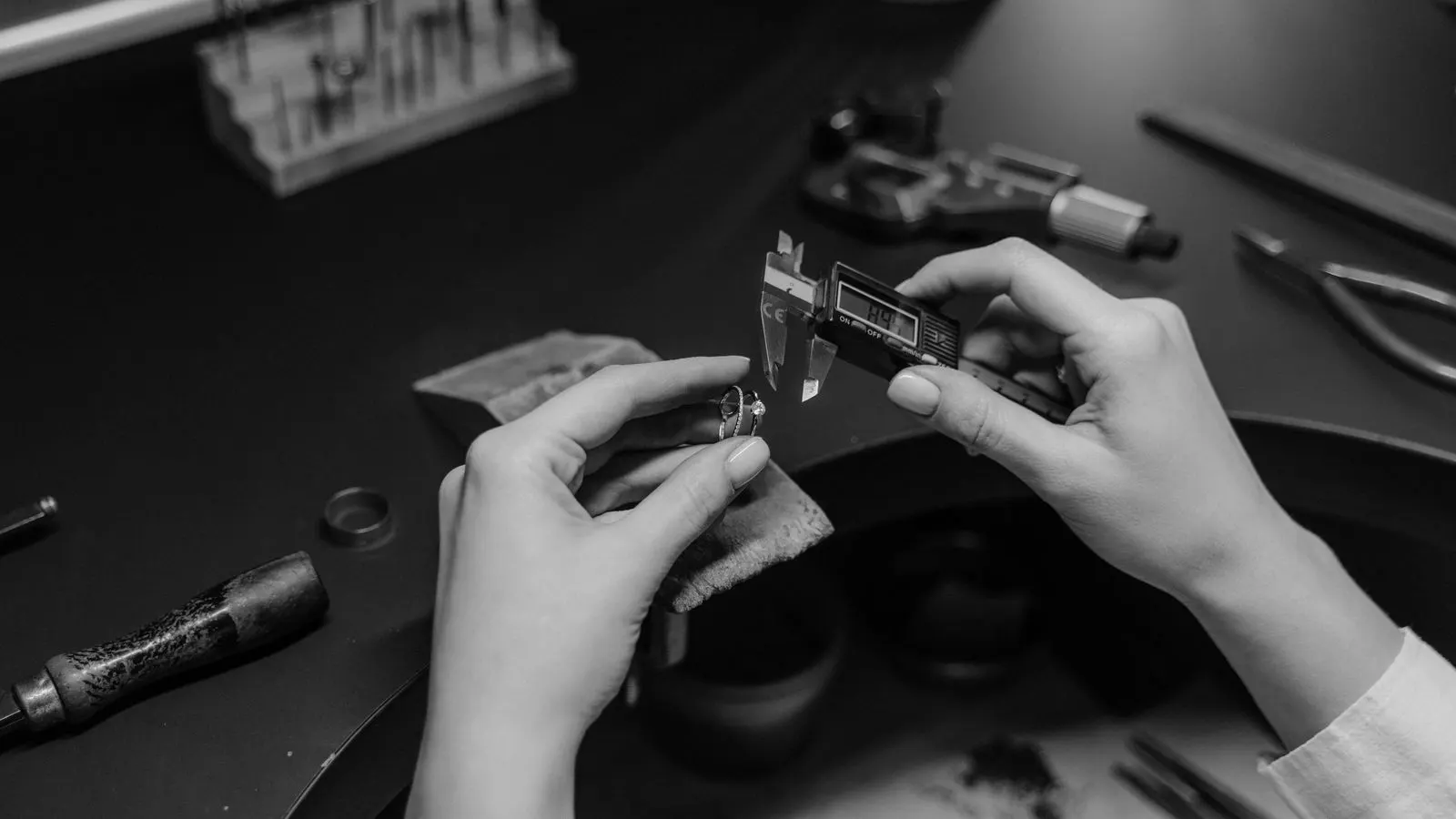
The best way to reduce risk is to plan tolerance requirements as part of the overall quality strategy, not as an afterthought. This means setting clear goals for dimensional accuracy, surface finish, and inspection before production begins.
Buyers should also build in flexibility. Sometimes the best solution is a two-tier tolerance approach: tighter control on critical features and standard control on less important surfaces. This allows the foundry to focus effort where it matters most.
Finally, documentation matters. Clear drawings, defined acceptance criteria, and agreed-upon inspection methods reduce confusion and help both parties meet the same quality bar.
What Is the Practical Outlook for the Future of Casting Tolerances?
The practical outlook is clear: casting tolerances will continue to tighten in importance, not just in number. The focus is shifting from simply holding dimensions to managing overall quality, cost, and process reliability.
Buyers who plan early, design with the process in mind, and define quality requirements clearly will be better positioned to meet future expectations. Foundries that can communicate trade-offs and support design decisions will also be in a stronger position to win long-term work.
The goal is not to demand the tightest possible tolerances on every part. The goal is to make the right tolerance decisions at the right time, with the right people involved, and with a clear understanding of what each requirement will cost and deliver.
Frequently asked questions
What is the main difference between casting tolerance and machining tolerance?
Casting tolerance refers to the acceptable variation in a cast part before finishing. Machining tolerance refers to the precision required after material removal.
Can a foundry guarantee a very tight tolerance on every feature?
Not always. Some features are more sensitive to process variables than others. A practical tolerance strategy focuses tight control on critical features.
Why is surface finish becoming more important in investment casting?
Surface finish affects machining time, corrosion resistance, sealing, and final performance. It is increasingly treated as a core quality requirement.
Should designers specify every tolerance on a casting drawing?
Not necessarily. Some features can be left to standard tolerances if they are not critical. Over-specifying can increase cost without adding value.
What is the best way to prepare for tighter casting tolerance requirements?
Involve casting specialists early, define critical features, clarify surface finish needs, and agree on inspection methods before production starts.