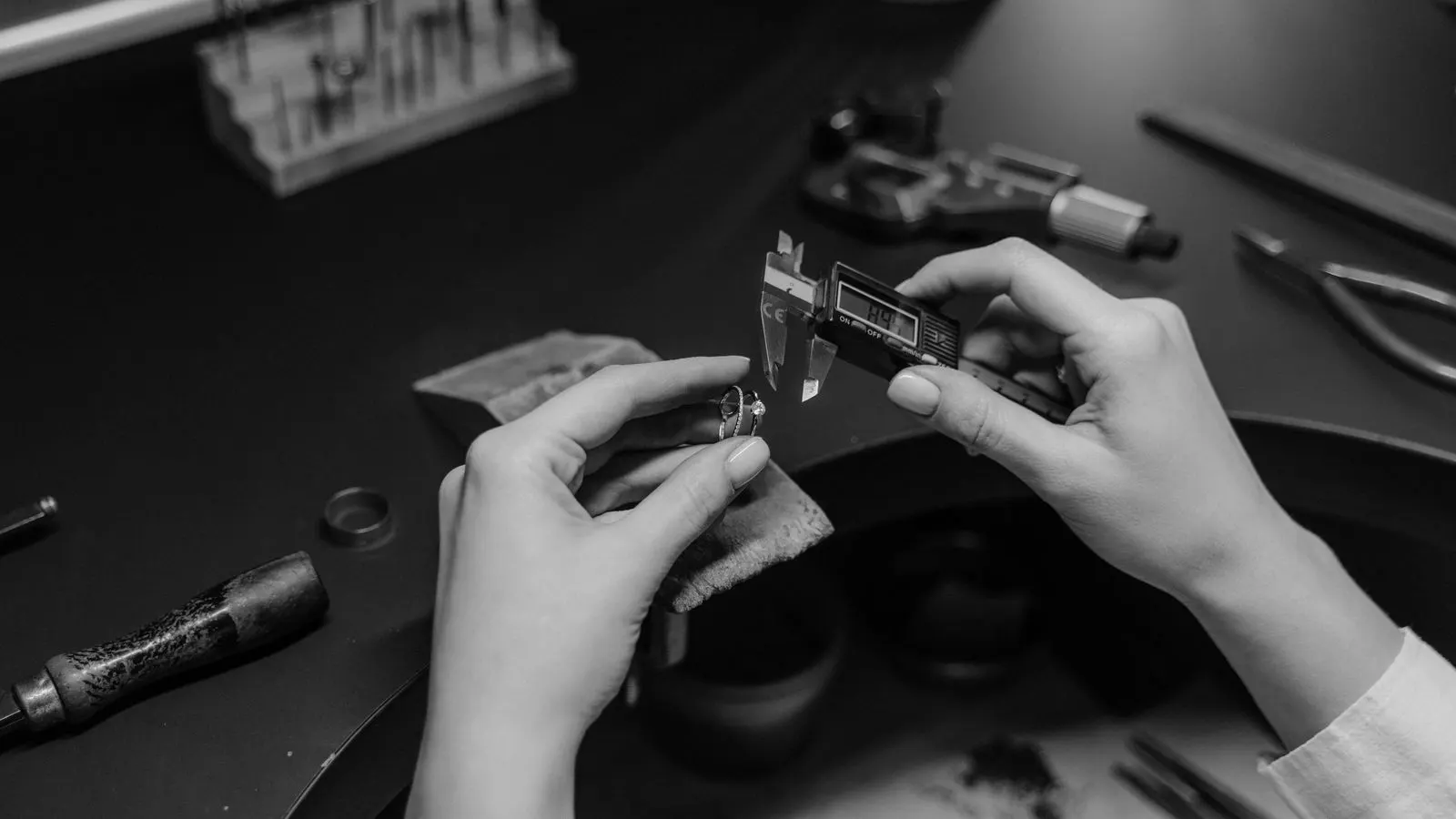
Fixing Dimensional Drift in Investment Castings
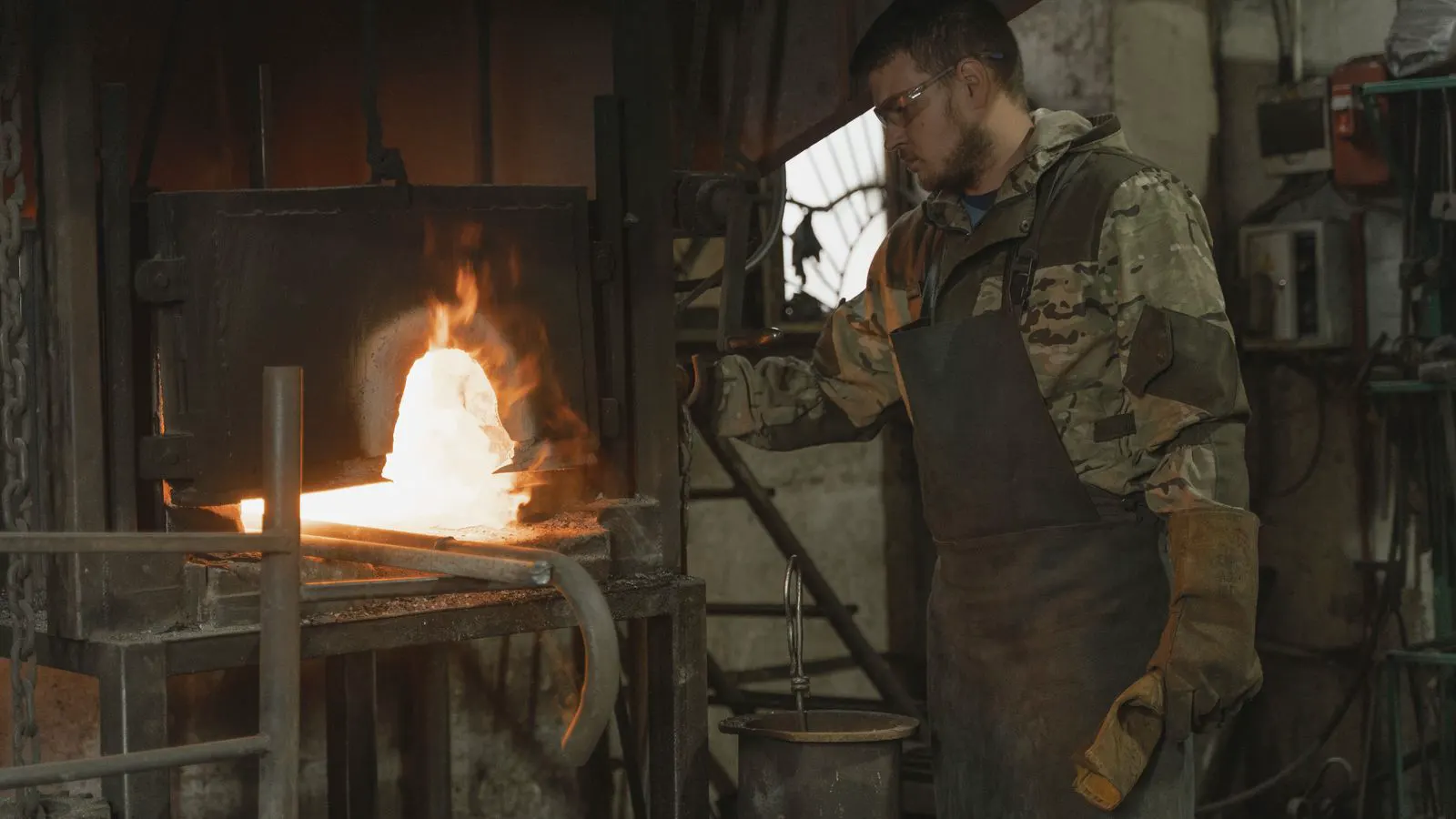
Dimensional drift occurs from mold instability, cooling variations, or improper post-processing. Identify the root cause using a structured troubleshooting approach, then apply targeted fixes to improve casting tolerances and maintain consistent dimensional accuracy across production runs.
- Dimensional drift is usually caused by mold instability, uneven cooling, or uncontrolled post-processing steps.
- A structured symptom-to-cause-to-fix approach helps identify the root problem quickly.
- Standardizing post-processing and verifying mold consistency are the most effective prevention strategies.
Introduction to Dimensional Drift
Dimensional drift refers to the deviation of a casting’s final dimensions from its specified design values. This issue directly impacts assembly fit, functional performance, and overall product quality, making it a critical concern for engineers and manufacturers working with precision components.
Understanding how to diagnose and correct dimensional drift is essential for maintaining high-quality production. This guide outlines common symptoms, their likely causes, and practical fixes to help you improve casting tolerances and ensure reliable dimensional accuracy.
Identifying Common Symptoms of Drift
Before applying any corrections, it is important to recognize the specific patterns of deviation in your parts. Drift does not always manifest as a simple oversize or undersize condition.
- Uniform shrinkage: The entire part is slightly smaller than specified.
- Asymmetric distortion: One side of the part is larger than the opposite side.
- Local bulging: A specific area, often near a gate or thick section, exceeds tolerance.
- Surface waviness: Minor dimensional variations that affect flatness or parallelism.
Identifying which symptom is present helps narrow down the potential root cause and directs you toward the most effective fix.
Troubleshooting Table: Causes and Fixes
The following table summarizes the most frequent causes of dimensional drift in investment casting and the corresponding corrective actions. Use this as a quick reference when reviewing failed parts or investigating process variability.
| Symptom | Likely cause | What to do |
|---|---|---|
| Uniform undersize | Inadequate mold expansion or low pour temperature | Verify mold baking process and increase pour temperature to achieve proper metal expansion |
| Asymmetric distortion | Uneven mold support or differential shrinkage | Improve mold backing support and review gating design for balanced fill |
| Local bulging | Excessive metal pressure in thick sections | Optimize gating to reduce pressure buildup and adjust cooling rates in critical areas |
| Surface waviness | Inconsistent mold surface finish or vibration | Improve mold smoothness and stabilize handling to reduce vibration during pour |
| Drift after heat treatment | Uncontrolled post-processing stresses | Standardize heat treatment parameters and verify dimensional stability after thermal cycles |
The Role of Mold Consistency
Mold consistency is a primary driver of dimensional accuracy in investment casting. The mold must expand uniformly during the pour and contract predictably as the metal solidifies. Any variation in mold density, surface finish, or structural support can lead to inconsistent shrinkage and final dimensions.
Key Mold Factors
- Mold density: Low-density molds are more prone to expansion and may absorb moisture, leading to uneven dimensional changes.
- Surface finish: A rough or inconsistent mold surface can cause local variations in metal flow and shrinkage.
- Structural support: Inadequate backing support allows the mold to shift or flex during the pour, creating asymmetric distortion.
To maintain dimensional accuracy, ensure that all molds are produced to consistent specifications. Use calibrated density measurements and uniform surface finishing techniques. Additionally, verify that mold supports are correctly positioned and securely fastened to prevent movement during production.
Cooling Rate and Gating Effects
Cooling rate directly influences the solidification sequence and shrinkage behavior of the casting. If the metal cools too quickly in some areas and slowly in others, the resulting differential shrinkage can cause dimensional drift.
Gating Design Considerations
- Gate size: An oversized gate can maintain excessive pressure, leading to bulging in thick sections.
- Gate location: Poorly positioned gates can cause asymmetric fill and uneven cooling.
- Riser placement: Inadequate riser design may result in localized porosity or shrinkage cavities, which can affect final dimensions.
To control cooling rates, review the gating design for balance and efficiency. Simulate the fill and solidification process if possible to identify areas where cooling is uneven. Adjust gate size and location to ensure a predictable solidification sequence.
Post-Processing and Heat Treatment
Post-processing steps, including machining, heat treatment, and surface finishing, can introduce additional dimensional changes. If these steps are not tightly controlled, they can contribute to dimensional drift even if the as-cast part is within tolerance.
Controlling Post-Processing
- Machining allowances: Ensure that machining operations are designed to remove sufficient material to achieve final dimensions.
- Heat treatment: Standardize heat treatment parameters and verify that the process does not cause excessive distortion.
- Stress relief: Include stress relief treatments where necessary to reduce internal stresses that can lead to dimensional changes over time.
To prevent drift, integrate post-processing controls into your overall quality plan. Document all post-processing parameters and verify dimensional stability after each step. If drift is observed after heat treatment, investigate whether the thermal cycle is causing excessive distortion or whether the material is not stabilizing properly.
Verification and Statistical Monitoring
Regular verification of dimensional accuracy is essential for catching drift early and maintaining consistent quality. Use statistical process control methods to monitor key dimensions and identify trends before they become critical issues.
Recommended Verification Practices
- In-process checks: Measure dimensions at critical stages, including after molding, pouring, and post-processing.
- Statistical analysis: Use control charts to track mean and variation of key dimensions over time.
- Root cause analysis: When drift is detected, use a structured approach to identify the root cause and implement corrective actions.
By consistently monitoring dimensional data and analyzing trends, you can detect early signs of drift and take proactive steps to prevent them. This approach helps maintain high levels of dimensional accuracy and reduces the risk of rework or scrap.
Prevention Tips for Long-Term Accuracy
Preventing dimensional drift requires a systematic approach that addresses all stages of the production process. The following tips can help you maintain consistent dimensional accuracy and reduce the frequency of drift-related issues.
- Standardize mold production: Use consistent materials, processes, and quality checks to ensure that all molds are produced to the same specifications.
- Monitor pour conditions: Keep pour temperature, mold temperature, and handling procedures consistent to minimize variability.
- Control post-processing: Document and standardize all post-processing steps, including machining and heat treatment, to prevent unintended dimensional changes.
- Invest in verification: Implement regular in-process checks and statistical monitoring to detect drift early and take corrective action.
- Train personnel: Ensure that all team members understand the importance of dimensional accuracy and are trained to follow standard operating procedures.
By focusing on prevention and consistent monitoring, you can reduce the occurrence of dimensional drift and improve the overall quality of your investment castings. This approach not only improves product performance but also reduces costs associated with rework and scrap.
Frequently asked questions
What is the most common cause of uniform undersize in investment castings?
Uniform undersize is often caused by inadequate mold expansion or a low pour temperature that does not allow sufficient metal expansion during solidification.
How does gating design affect dimensional accuracy?
Gating design influences pressure and cooling rates, which directly affect shrinkage behavior. Poorly designed gates can cause asymmetric fill and local bulging or undersize.
Can heat treatment cause dimensional drift?
Yes, heat treatment can cause dimensional drift if it introduces excessive internal stresses or if the thermal cycle is not properly controlled, leading to distortion.
What is the best way to verify dimensional accuracy during production?
Use in-process checks at critical stages, such as after molding, pouring, and post-processing, combined with statistical monitoring to detect trends early.
How can I prevent asymmetric distortion in castings?
Asymmetric distortion is typically caused by uneven mold support or differential shrinkage. Improve mold backing support and review gating design to ensure balanced fill and cooling.