Buyer's Guide to Sourcing Cast Titanium for Aerospace
This guide explains how to select foundries for cast titanium components. It covers alloy selection, process capabilities, quality documentation, and lead times. Buyers should focus on verified traceability, post-processing capacity, and clear communication with engineering teams.
- Verify foundry capability for the specific titanium alloy grade before requesting a quote.
- Ask for full material traceability documentation, including heat numbers and heat treatment certificates.
- Evaluate the foundry's post-processing capacity for machining, heat treatment, and non-destructive testing.
- Confirm lead times and communication protocols early, as titanium casting often requires long cycle times.
- Prioritize foundries with experience in aerospace quality management systems and customer audits.
Why Cast Titanium Is Used in Aerospace
Aerospace manufacturers use cast titanium for components that demand high strength, low weight, and resistance to corrosion. Turbine blades, engine brackets, landing gear parts, and structural fittings often require these properties. Investment casting is one of the most common methods for producing complex titanium shapes. It allows tight tolerances and good surface finish, which reduces the amount of machining needed after casting.
The material itself is not a single alloy. Different titanium grades serve different roles. Some offer high strength at elevated temperatures. Others prioritize fatigue resistance or corrosion resistance. The choice depends on the service environment and the mechanical loads the part will face. A foundry that can supply the correct grade and verify its properties is the first step in a reliable sourcing process.
What to Check in a Foundry’s Technical Capability
Before contacting a foundry, identify the technical requirements for the part. This includes the alloy grade, wall thickness, surface finish, and any internal geometries such as cooling channels or thin walls. Cast titanium has a higher melting point than many other metals, so the foundry must use compatible investment materials and furnace equipment. Ask for examples of similar parts they have produced. Do not rely on general marketing descriptions. Request specific part numbers, alloy grades, and customer applications.
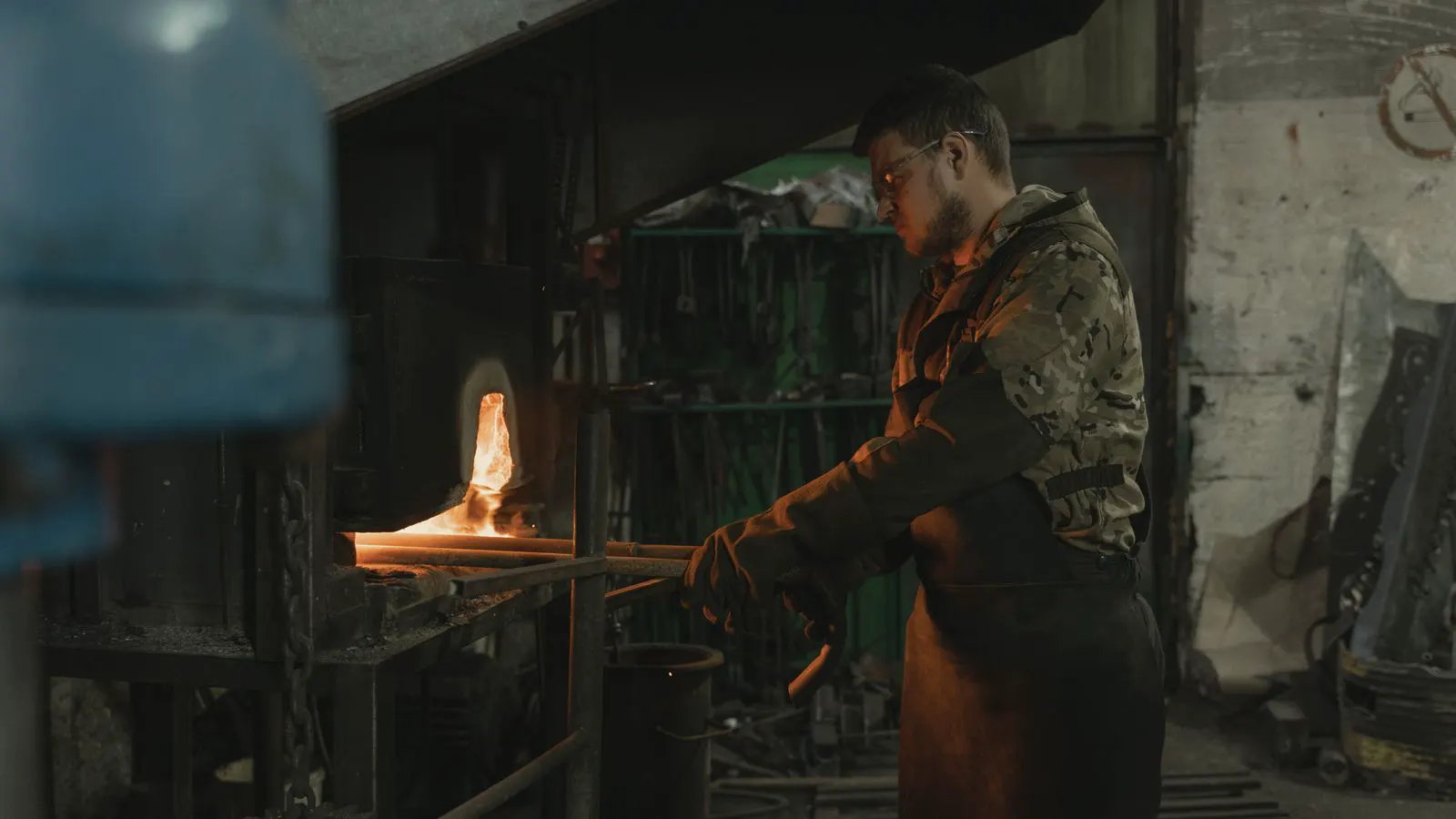
Investigate the foundry’s investment process. Some foundries specialize in precision casting for aerospace. Others handle a mix of industrial and automotive parts. The specialization matters because titanium casting requires careful control of the investment mixture and pouring temperature. A foundry that handles titanium daily will have established procedures for avoiding defects such as porosity or surface roughness.
Check the foundry’s capacity for post-casting operations. Many titanium castings require heat treatment, which changes the mechanical properties of the alloy. Some parts also need machining, polishing, or anodizing. If the foundry does not perform these steps in-house, confirm their outsourcing partners. Outsourcing adds lead time and creates a handoff point where quality can be lost.
How to Evaluate Alloy Selection and Certifications
The alloy grade determines the performance of the part. Common titanium alloys used in aerospace include grades that balance strength, fatigue resistance, and workability. The buyer must specify the exact grade in the purchase order. A foundry should confirm that they stock or can source the required alloy from a certified supplier.
Request material certificates for each heat lot. These documents list the chemical composition, mechanical test results, and heat treatment conditions. They are the basis for traceability. If the foundry cannot provide full traceability from the raw ingot to the finished part, the risk of quality failure increases. Aerospace customers often require this documentation for regulatory compliance and internal quality audits.
Ask about the foundry’s approach to alloy verification. Some foundries perform in-house spectrometry to confirm the chemical composition of the raw material. Others rely on supplier certificates alone. The first option provides an extra layer of control. For high-value components, this extra verification can prevent costly rework or rejection.
The Criteria for Selecting a Foundry Partner
Use the table below to evaluate potential foundries. Each criterion reflects a common pain point in sourcing cast titanium for aerospace. The goal is to find a partner that can deliver consistent quality, clear communication, and reliable lead times.
| Criterion | What to look for | Why it matters |
|---|---|---|
| Alloy Experience | Specific examples of the required titanium grade in aerospace parts | Proves the foundry understands the material’s behavior and typical defects |
| Quality Documentation | Full heat traceability, mill certificates, and non-destructive test reports | Supports compliance with aerospace standards and internal quality systems |
| Post-Processing Capacity | In-house heat treatment, machining, or verified outsourcing partners | Reduces lead time and prevents quality loss during handoffs |
| Investment Process Control | Use of specialized investments, furnace calibration, and defect prevention protocols | Minimizes porosity, surface roughness, and dimensional variation |
| Communication and Lead Time | Clear milestones, dedicated account management, and realistic schedules | Prevents surprises and keeps the project on track |
Understanding Quality Control and Non-Destructive Testing
Non-destructive testing (NDT) is a standard part of titanium casting quality control. Common methods include ultrasonic testing, dye penetrant, and radiographic testing. These techniques detect internal and surface defects without damaging the part. The foundry should specify which NDT methods they use and at what stage of production.
Ask how the foundry handles defects. If a part fails an NDT check, the foundry should have a clear process for rejection, rework, or repair. Some defects are not repairable. The foundry should provide a history of defect rates for similar parts. This data helps the buyer assess the foundry’s process stability.
Surface finish is another quality factor. Investment casting can produce a relatively smooth surface, but titanium is reactive and can develop scale or discoloration during melting and pouring. The foundry should describe their surface preparation methods. If the part requires a specific finish for coating or inspection, confirm that the foundry can meet it without excessive machining.
Managing Lead Time and Logistics
Cast titanium sourcing often involves longer lead times than standard steel or aluminum castings. The process involves investment preparation, furnace heating, pouring, and cooling. Each step requires careful control. The foundry’s production schedule must account for these stages. A foundry that overpromises delivery dates may deliver late or cut corners on quality.
Request a detailed lead time breakdown. This should include raw material procurement, investment preparation, casting, heat treatment, and NDT. Some steps can run in parallel, but others are sequential. Understanding the sequence helps the buyer identify where delays are most likely.
Logistics also matter. Titanium parts are heavy and sensitive to handling. The foundry should use appropriate packaging to prevent damage during transit. If the part is for a critical application, consider whether the foundry offers crate or airfreight options. Confirm that the shipping method is compatible with the part’s value and the customer’s schedule.
A Checklist for Final Decision
Before signing a purchase order, run through the following checklist. This ensures that the foundry meets the technical and operational requirements of the project.
- Confirm the alloy grade and verify the foundry’s experience with that grade in aerospace applications.
- Request full material traceability documentation, including heat numbers and heat treatment certificates.
- Evaluate the foundry’s investment process and ask for examples of similar parts.
- Confirm the NDT methods and surface finish capability.
- Review the lead time breakdown and identify any single points of failure.
- Discuss quality agreements and acceptance criteria.
- Plan for initial qualification or first-article inspection if required.
Frequently asked questions
What is the difference between cast titanium and forged titanium?
Cast titanium is produced by pouring molten metal into a mold. Forged titanium is produced by hammering or pressing solid metal into shape. Casting allows complex geometries, while forging often provides better grain structure for high-stress applications.
How long does it take to source cast titanium parts?
Lead times vary based on alloy, part complexity, and post-processing requirements. For standard aerospace parts, expect several weeks to several months. Complex parts with internal cooling channels may take longer.
Can a foundry supply multiple titanium alloy grades?
Some foundries specialize in a limited number of grades. Others handle a broader range. Confirm that the foundry can supply the specific grade required for the part and provide the necessary documentation.
What is the most common defect in cast titanium?
Porosity is a common defect, often caused by gas entrapment during melting or pouring. A skilled foundry uses specialized investments and furnace controls to minimize this issue.
How should I verify the surface finish of a cast titanium part?
Review the foundry's surface preparation methods and request a surface finish report. For critical applications, arrange a first-article inspection or use a calibrated roughness gauge to measure the finish. ===END===