Checklist: Verifying Traceability for Cast Cobalt Alloy Parts

A structured audit approach confirms material origin and processing history for cast cobalt parts. This checklist verifies heat numbers, mill certificates, and heat treatment records to protect compliance and performance.
- Match the heat number on the physical part to the mill certificate and foundry records.
- Verify that every heat treatment step is logged with specific times and temperatures.
- Check for continuity in the chain of custody from the raw bar to the final machined part.
- Identify red flags such as missing lot numbers or unexplained changes in the foundry process.
- Maintain a complete paper trail for internal audits and customer compliance requirements.
Why Traceability Matters for Cobalt Parts
Cobalt alloy parts often serve in high-temperature, corrosive, or nuclear applications where material consistency is non-negotiable. A single contaminated heat or an undocumented heat treatment cycle can compromise the performance of a turbine blade or a valve seat.
Buyers and engineers need a structured method to confirm the material origin and processing history of every cast component. This guide provides a numbered audit checklist to verify the integrity of the supply chain from raw material to final delivery.
1. Verify the Material Origin and Certification
Before a part can be accepted, you must confirm that the raw material used was the correct alloy grade. This step ensures the chemical composition meets your specification.
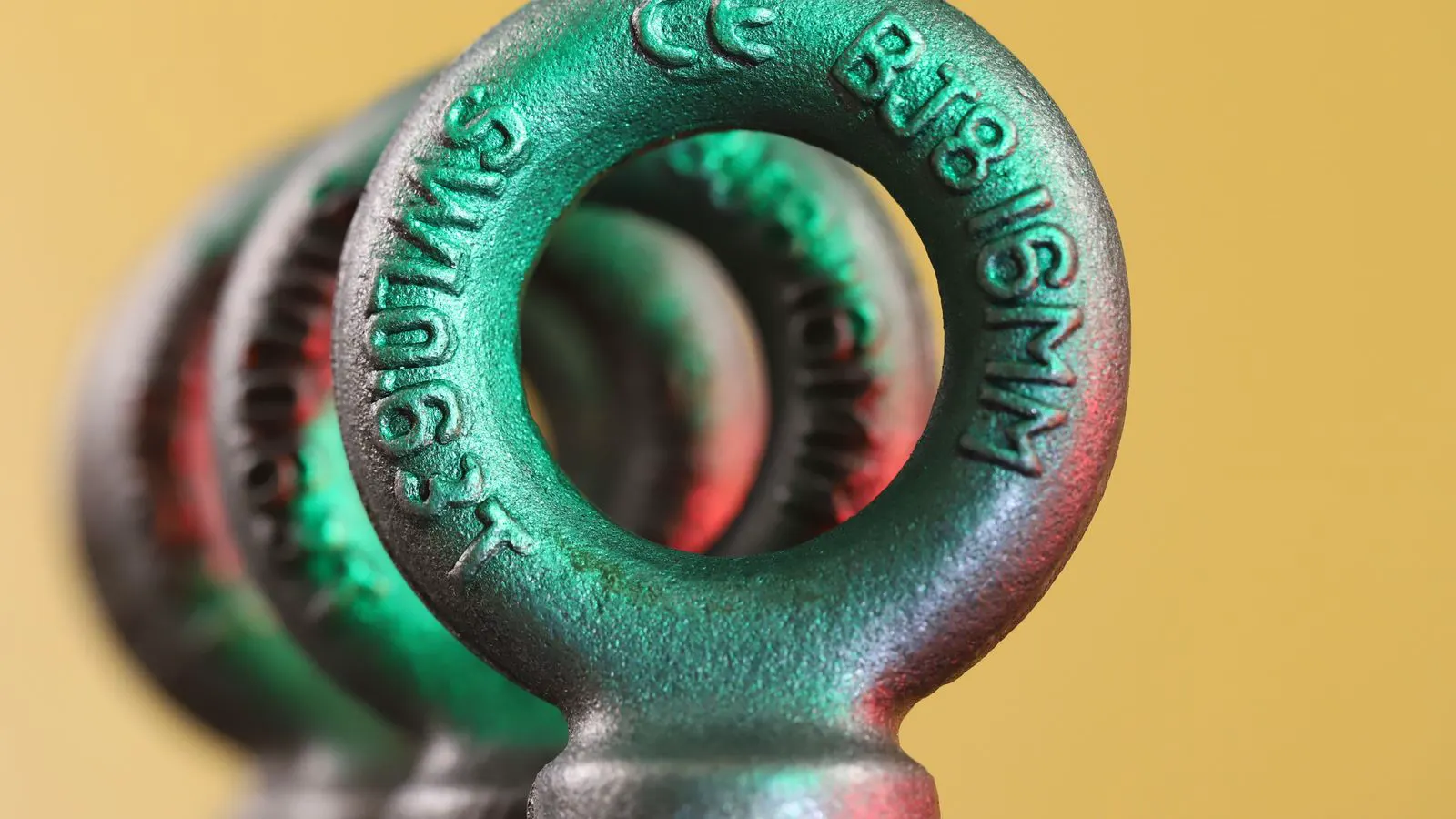
- Locate the Heat Number. The heat number is the primary identifier for a specific batch of molten metal. It appears on the mill certificate, the foundry heat log, and usually stamped or engraved on the part itself.
- Request the Mill Certificate. This document from the steel or alloy producer proves the chemical composition and mechanical properties of that specific heat.
- Cross-Reference the Alloy Grade. Confirm the grade, such as a standard cobalt-chromium alloy, matches your drawing requirements.
- Check for Reclaimed Material. Ask if any scrap from previous castings was used. If so, verify the source of that scrap and its purity level.
Red Flags:
- The heat number on the part does not match the certificate.
- The mill certificate is a generic template rather than a specific heat analysis.
- The foundry cannot explain how the raw bar or billet was sourced.
2. Audit the Foundry Process Records
Investment casting involves multiple steps where the metal can be affected. You need proof that the foundry followed the agreed-upon process.
- Review the Casting Record. This log tracks the date of casting, the specific mold used, and the investment material batch.
- Check the Pour Temperature. Higher temperatures can improve fluidity but may cause burn-off or oxidation. Ensure the temperature falls within the specified window.
- Verify the Curing Cycle. The investment pattern must be cured to remove moisture. Missing cure times can lead to porosity or surface defects.
- Inspect the Core Print. If the part has internal cavities, verify that the core print was inspected for dimensional accuracy before pouring.
Red Flags:
- No record of the investment batch number.
- Pour temperature logs are missing or show large unexplained variances.
- The foundry uses a different investment supplier than previously approved.
3. Confirm Heat Treatment Documentation
Cobalt alloys often require heat treatment to achieve the desired grain structure and hardness. This is the most critical step for performance.
- Obtain the Heat Treatment Log. This document lists every step: preheat, soak, quench, and air cool.
- Verify the Furnace Calibration. Ask for the calibration certificate for the furnace used. The thermometer must be accurate to a specific tolerance.
- Check the Soak Time. The alloy must hold at the target temperature for a specific duration. Shorter times can result in incomplete transformation.
- Confirm the Quench Medium. Some alloys require water, others oil. The wrong medium can cause cracking.
Red Flags:
- The heat treatment log is handwritten and unsigned.
- No furnace calibration records are available.
- The soak time is significantly shorter than the recommended minimum.
- The foundry claims “standard heat treatment” without providing specific temperatures.
4. Validate Dimensional and Visual Inspection
Traceability is not just about paper; it is about the physical part.
- Review the Dimensional Report. Compare the as-cast dimensions to the drawing.
- Check the Surface Finish. Cobalt parts often require a specific surface roughness. Look for evidence of machining or polishing.
- Inspect for Defects. Look for porosity, inclusions, or cold shuts. These defects can indicate poor process control.
- Verify the Surface Treatment. If the part is coated or plated, confirm the process and thickness.
Red Flags:
- Dimensions are outside the tolerance without a waiver.
- Surface defects are present but not documented.
- The part shows signs of improper machining, such as heat discoloration.
5. Chain of Custody and Logistics
The part must remain in a controlled environment from the foundry to your facility.
- Check the Shipping Documentation. The packing list should match the heat number and part number.
- Verify the Packaging. Cobalt parts are sensitive to corrosion. Ensure the packaging is appropriate for the transit conditions.
- Confirm the Delivery Condition. Inspect the part immediately upon arrival.
- Maintain the Record. Store all documents in a secure, accessible location for future audits.
Red Flags:
- The part arrives damaged or without its original packaging.
- The packing list is missing or incomplete.
- The delivery date is inconsistent with the production schedule.
6. Red Flags and Common Mistakes
Auditing traceability is a proactive exercise. You are looking for gaps in the story the documents tell.
| Common Mistake | Risk | Mitigation |
|---|---|---|
| Missing heat number | Cannot verify material origin | Reject part until heat number is stamped |
| Generic mill cert | Unknown chemical composition | Request specific heat analysis |
| No heat treat log | Unknown mechanical properties | Reject part until log is provided |
| Unapproved scrap | Contamination risk | Verify scrap source and purity |
| Missing calibration | Incorrect heat treatment | Require furnace calibration certs |
Red Flags:
- The foundry is reluctant to provide documentation.
- The heat number is changed after the part is cast.
- The foundry cannot explain a deviation in the process.
- The part has a different finish than specified.
7. Final Acceptance and Storage
Once the audit is complete, you can accept the part.
- Sign the Acceptance Report. This confirms that the part meets all specifications.
- Store the Documents. Keep the mill cert, heat treat log, and inspection report with the part records.
- Update the Supplier Record. Note the supplier’s performance and any issues.
- Schedule Re-Audit. Periodically re-audit the supplier to ensure ongoing compliance.
This process ensures that every cobalt alloy part you use is exactly what you ordered and that its history is fully documented.
8. Frequently Asked Questions
Q: Can I accept a part without a mill certificate?
A: No. A mill certificate is the only way to verify the chemical composition of the raw material. Without it, you cannot confirm the alloy grade.
Q: What if the heat number is missing from the part?
A: Reject the part. You cannot verify the material origin without a heat number. The foundry must stamp or engrave the heat number on the part.
Q: Is it acceptable to use reclaimed scrap without documentation?
A: No. Reclaimed scrap must be tracked and documented. You need to know the source of the scrap and its purity level to ensure the final alloy meets specifications.
Q: How often should I audit the foundry?
A: Audit the foundry after each batch of parts and periodically throughout the year. This ensures ongoing compliance and catches issues early.
Q: What if the heat treatment log is incomplete?
A: Reject the part. You cannot verify the mechanical properties of the part without a complete heat treatment log. The foundry must provide a full log with specific times and temperatures.
===END===