Cost vs Lead Time: Sourcing Investment Castings

Balancing cost and lead time in investment casting sourcing requires defining material, tolerances, and quantity clearly. A structured RFQ and fair quote comparison reveal true project fit. This guide outlines how to align budget with delivery schedules by understanding price drivers and supplier capabilities.
- Define part geometry, material, and quantity before sending an RFQ to reduce quote variance.
- Cost and lead time are linked; cutting one often inflates the other, so state priorities clearly.
- Compare quotes against the same scope, tolerances, and inspection requirements for fair evaluation.
- Use supplier evaluation criteria that weight capacity, communication, and quality controls to the project.
- A clear project fit assessment prevents surprise rework, expediting, or delivery delays.
What drives price in investment casting
Price is not set by a single factor. It reflects the cost of making the part reliably, on schedule, and to the required quality. For an investment casting foundry, the major cost inputs are material, labor, process setup, and overhead.
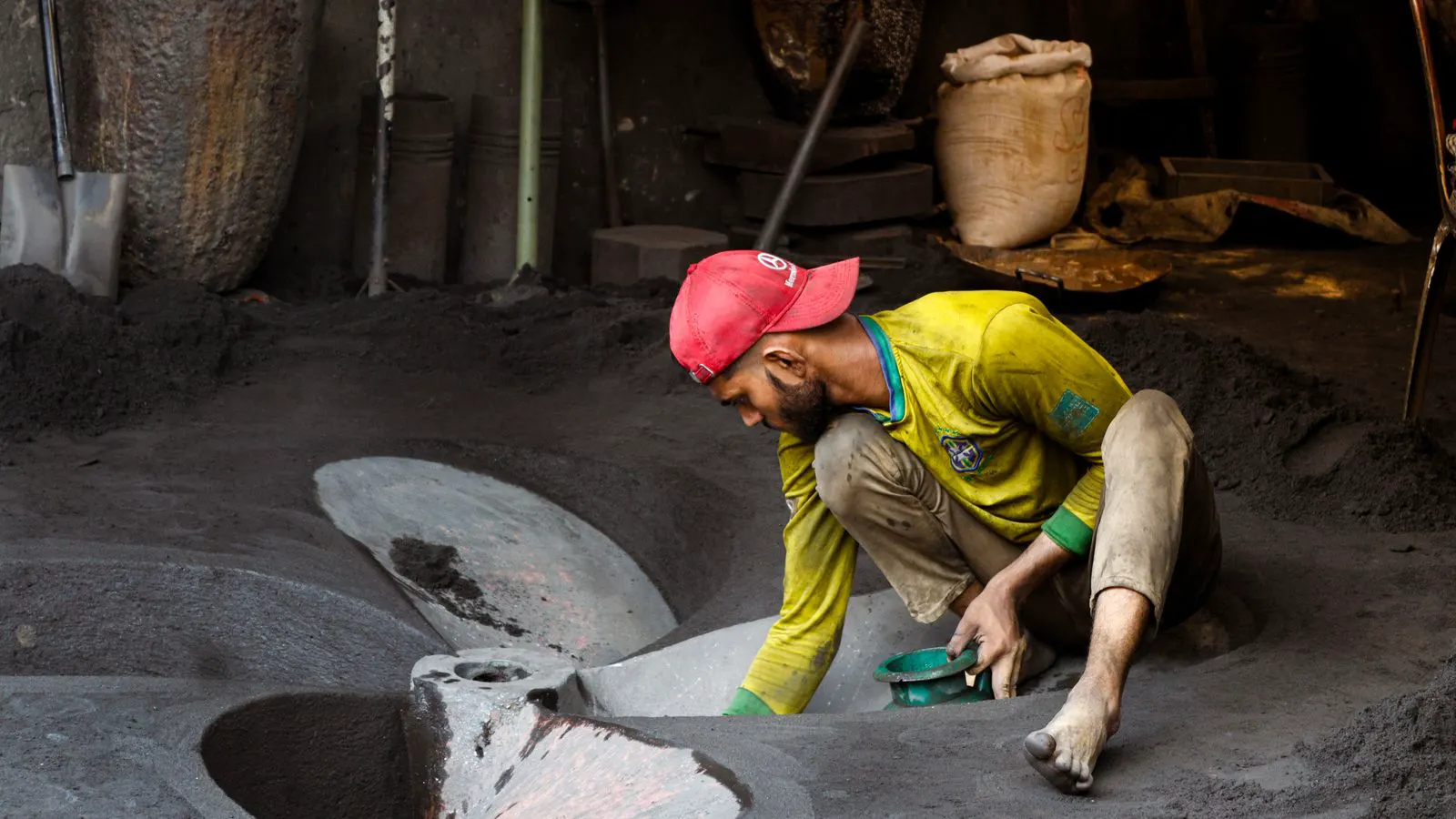
The material choice carries a large share of the cost. A ductile iron part, a stainless steel valve body, and a nickel superalloy impeller have very different material costs. The same applies to the investment and core materials. Specialized alloys increase the price because the foundry must manage stricter heat control, casting shrinkage, and surface finish.
Labor cost depends on how much skilled work goes into the part. A simple bracket can be produced with less manual handling than a complex turbine blade or a thin-walled medical implant. Manual investment, hand finishing, and manual inspection raise labor time. Automation and repeatable processes lower it, but only when the part geometry allows.
Setup and process cost also matters. A new pattern, a new mold layout, or a new heat treatment route requires time. This cost is spread over quantity. A low run may pay a high setup fee, while a high run spreads the same cost into a lower unit price.
Overhead covers equipment maintenance, energy, tooling wear, and quality systems. It is less visible but always present. A foundry with a larger plant may charge more per unit but may offer more stable delivery. A smaller specialist may charge less on a simple part but may struggle with high volume.
What drives lead time
Lead time is the time from RFQ to delivered part. It includes design review, tooling, production, finishing, inspection, and logistics.
Tooling time often starts the clock. If the foundry needs to make a new pattern, a core box, or a mold layout, that time is added before casting begins. Existing patterns can shorten the schedule. A foundry that maintains patterns in-house can respond faster than one that outsources pattern making.
Production time depends on batch size and process type. Investment casting is a batch process. The foundry must prepare the investment, pour, cool, break away the shell, and remove gates and risers. Some parts require heat treatment or machining after casting. Each step adds days.
Inspection time is often underestimated. A part that requires dimensional checking, X-ray, or hardness testing takes longer than one that only needs visual inspection. The stricter the quality requirement, the longer the schedule.
Logistics adds the final days. Domestic delivery is shorter than international. Packaging for corrosion protection or for fragile parts also takes time. A foundry that ships weekly may be slower than one that ships daily, even if the production time is the same.
How to write a clear RFQ
A vague RFQ produces vague quotes. If you send drawings without tolerances, the foundry must guess. If you do not state quantity, the quote may be based on a small trial run. If you do not state delivery date, the foundry may assume a standard schedule.
Start with the part. Include the drawing number, revision, and material specification. State the tolerance class. For example, a general machining tolerance is different from a critical fit tolerance. If the part has a surface finish requirement, state it. If it has a coating or heat treatment requirement, state it.
State the quantity and the schedule. A quote for fifty parts is different from a quote for five thousand parts. If the project is phased, say so. If the first phase is a trial run, define the acceptance criteria.
State the inspection requirements. Do not assume the foundry will know what you need. If you require CMM reports, X-ray images, or material certificates, list them. If you require a first article inspection, state that.
State the delivery point. Does the part need to arrive at your plant, at a distributor, or at a port? State the packaging requirement. A foundry that ships in standard crates may not meet your handling needs.
A clear RFQ also includes your priorities. If cost is the top priority, say so. If delivery date is fixed, say so. If quality is non-negotiable, say so. The foundry can then adjust the quote and the schedule to match your project fit.
How to compare quotes fairly
Quotes are only comparable when the scope is the same. Two foundries may quote the same part with different assumptions. One may include machining and inspection. The other may quote the raw casting only. One may use a standard heat treatment. The other may use a custom process.
Create a comparison sheet. List each quote side by side. Include the unit price, the total price, the lead time, the tooling cost, the minimum order quantity, and the inspection scope. Mark the differences. If one quote is lower but excludes X-ray, the true cost is higher when you add the inspection.
Check the assumptions. Ask each foundry to confirm the material grade, the tolerance class, the heat treatment, and the surface finish. If the answer differs from your RFQ, the quote is not valid. If the foundry changes the material without saying so, the price is not comparable.
Look at the total cost of ownership. A lower unit price may come with a longer lead time. A longer lead time may force you to carry extra inventory. A higher unit price may come with a shorter lead time and a more stable supply. The total cost includes the cost of delay, the cost of rework, and the cost of quality failure.
Do not choose the lowest price. Choose the quote that matches your project fit. A foundry with a slightly higher price but a shorter lead time may save you more than the price difference. A foundry with a lower price but a longer lead time may cost you more in lost production.
Cost drivers at a glance
The following table lists the main cost and lead time drivers in investment casting. Use it as a checklist when reviewing quotes and when writing an RFQ.
| Cost and lead time driver | What it affects | How it shows in a quote |
|---|---|---|
| Material grade and alloy | Raw material cost and process control | Higher price for specialty alloys; longer lead time if heat is not available |
| Part geometry and complexity | Labor time and pattern cost | Higher price for thin walls, undercuts, or deep cavities |
| Quantity and batch size | Setup cost per unit | Lower unit price at higher quantity; higher setup fee at low quantity |
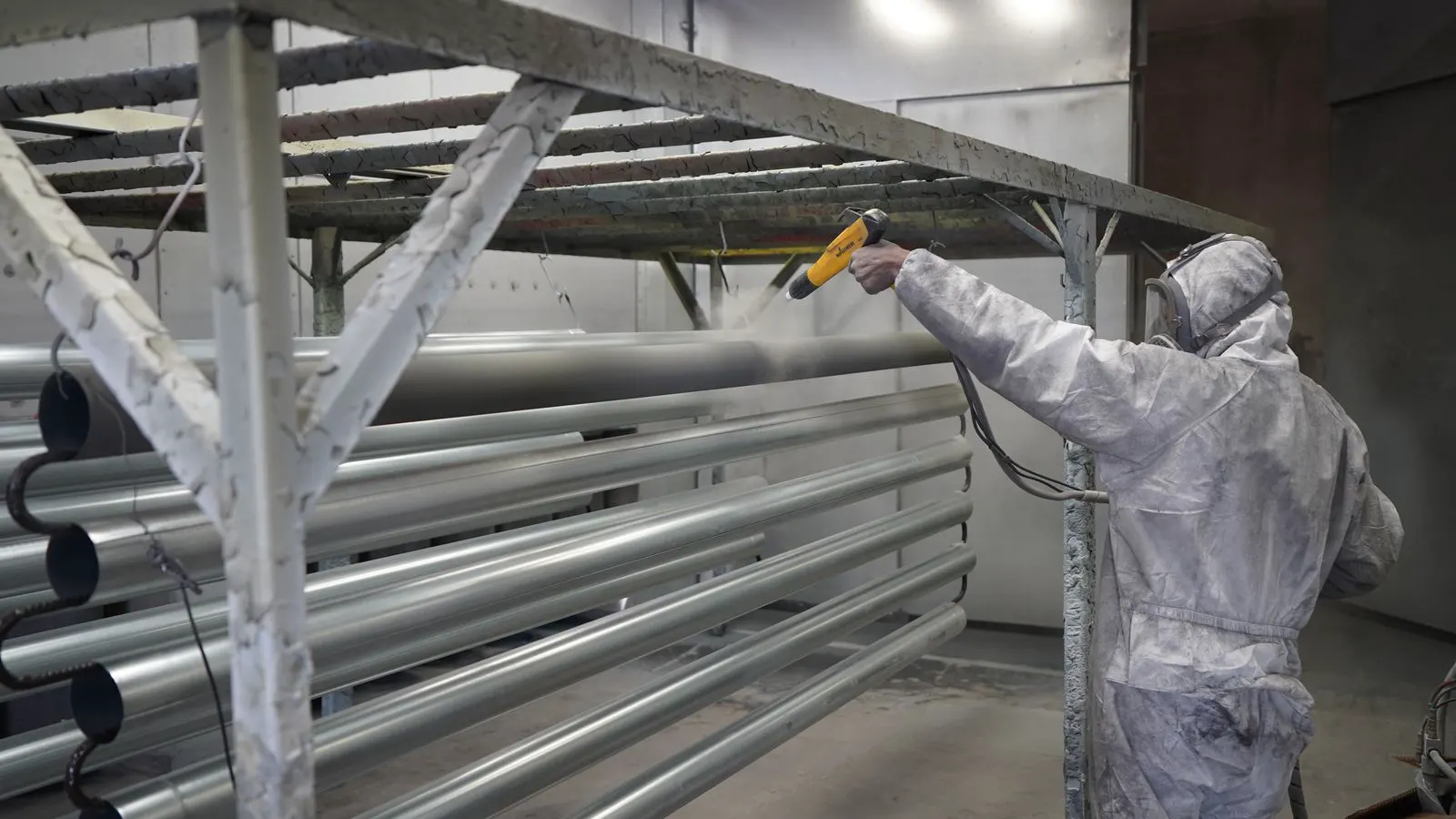
| Tolerance and surface finish | Inspection and machining time | Higher price for tight tolerances; longer lead time for extra inspection |
| Tooling and pattern status | Initial schedule and setup cost | Lower lead time with existing patterns; higher cost for new tooling |
| Inspection and certification | Quality assurance cost | Higher price for X-ray, CMM, or material certificates; longer lead time for testing |
How to balance budget and delivery
Budget and delivery are not always in conflict, but they often are. If you want a lower price, you may accept a longer lead time. If you want a shorter lead time, you may pay a premium. The key is to state which constraint is stronger for your project.
If the budget is fixed, define what you can spend on expedited services. A foundry may offer air freight, weekend production, or priority tooling. Each option has a cost. If the delivery date is fixed, define what you can spend on premium materials or extra labor. A foundry may use a faster heat treatment or a dedicated mold layout.
Talk about the schedule in stages. Ask the foundry for a milestone plan. When will the pattern be ready? When will the first casting be poured? When will the part be inspected? A milestone plan helps you see where the schedule is tight. If one stage is at risk, you can act early.
Do not hide your priorities. If you say “we need the best price,” the foundry will optimize for price. If you say “we need the part by a specific date,” the foundry will optimize for schedule. If you say “we need both,” the foundry may not know how to respond. Be specific. State the maximum budget and the maximum delivery date. Then ask for options.
A foundry that understands your project fit will offer options. They may show a standard schedule with a standard price, a fast schedule with a premium price, and a low-cost schedule with a longer lead time. They may suggest a smaller trial run to reduce risk. They may suggest a different material or geometry to lower cost. The best quote is not the lowest number. It is the quote that matches your constraints.
How to evaluate supplier capability for the decision
The final step is to evaluate the foundry as a partner, not just as a price list. A foundry that can meet your cost and delivery targets must also have the capability to sustain the relationship.
Check their capacity. If your order is a large share of their production, they may prioritize your order. If your order is small, they may schedule it after other work. Ask how they handle priority orders. Ask how they manage tooling for multiple customers. A foundry with dedicated capacity for your alloy or part type may be a better fit than one with general capacity.
Check their communication. A foundry that responds quickly to RFQs and gives clear answers to questions is easier to work with. A foundry that gives vague answers or delays may create problems later. Ask for a reference from a similar project. Ask how they handle changes to drawings or specifications.
Check their quality controls. A foundry with a strong quality system will have documented processes for investment preparation, pouring, and inspection. Ask for their quality plan. Ask how they handle non-conforming parts. A foundry that has a clear correction process is less likely to surprise you with a failed part.
Use a scorecard. Weight the criteria by your project. If delivery is the top priority, weight capacity and communication higher. If cost is the top priority, weight process efficiency and material sourcing higher. If quality is the top priority, weight inspection and heat treatment controls higher. A scorecard helps you compare foundries on the same basis.
The goal is not to find the cheapest investment casting foundry. The goal is to find the supplier that can deliver the part, on schedule, at a cost you can justify. A clear RFQ, a fair comparison, and a capability check will give you that answer.
Frequently asked questions
How do I know if a quote is realistic?
Check the scope. If the quote does not match your material, tolerance, and inspection requirements, it is not realistic. Ask the foundry to confirm every assumption in writing.
Can a low-cost quote become a high-cost project?
Yes. A low quote may exclude machining, inspection, or tooling. It may also assume a longer lead time that forces you to pay for expediting later. Compare the total cost, not just the unit price.
How much lead time should I expect for a new part?
It depends on tooling and quantity. A part with existing patterns may be ready in weeks. A part with new tooling may take longer. Ask the foundry for a milestone schedule.
What is the best way to compare two foundry quotes?
Put them in a side-by-side table. Match the scope, material, tolerances, and inspection. Mark the differences. If one quote is lower but excludes a service, add the cost of that service before deciding.
Should I choose the foundry with the shortest lead time?
Not always. The shortest lead time may come with a higher price or a smaller capacity. Choose the lead time that fits your project and your budget. A slightly longer schedule may save money and reduce risk.