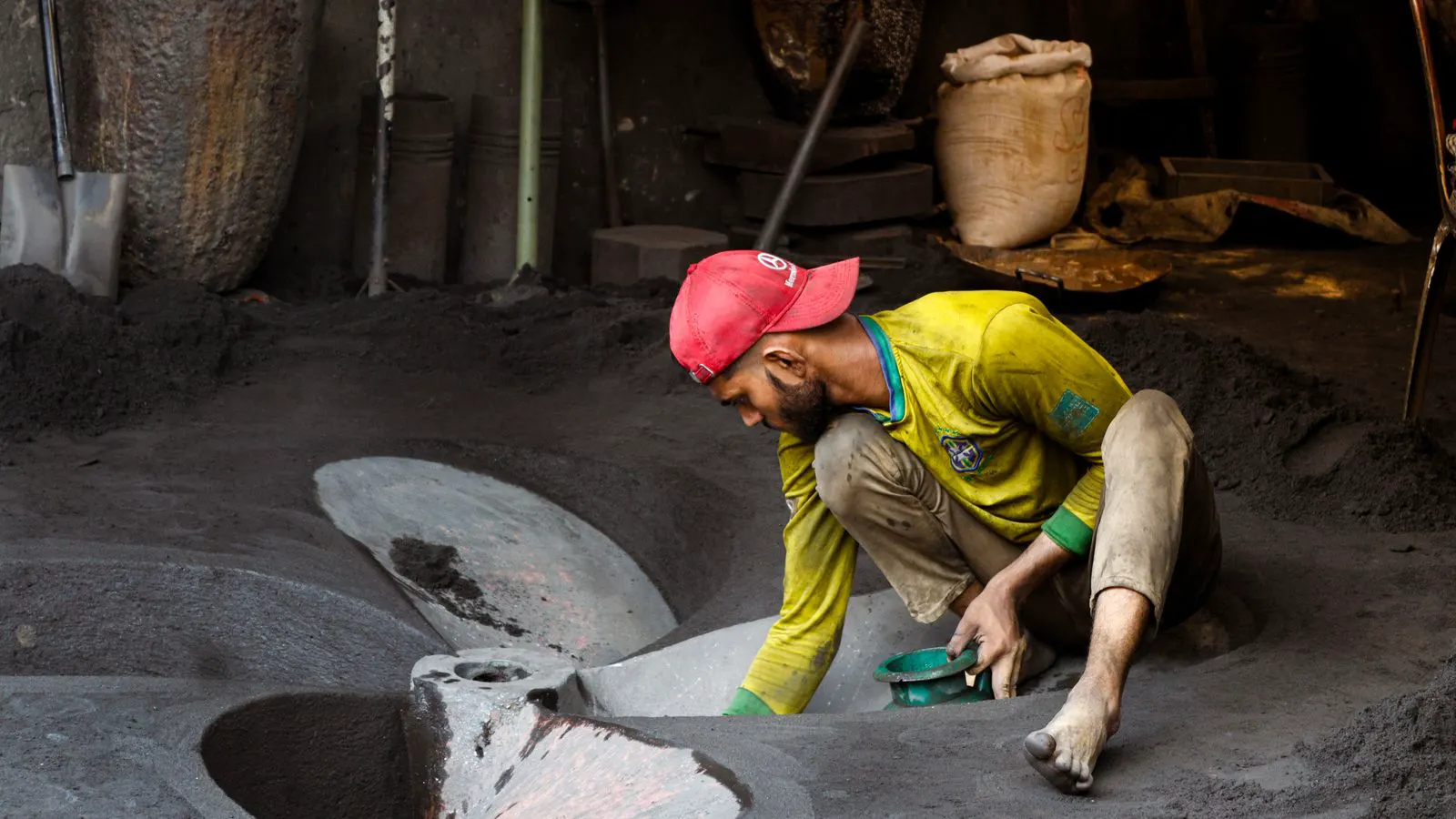
Cost vs Lead Time: Castings with Coating
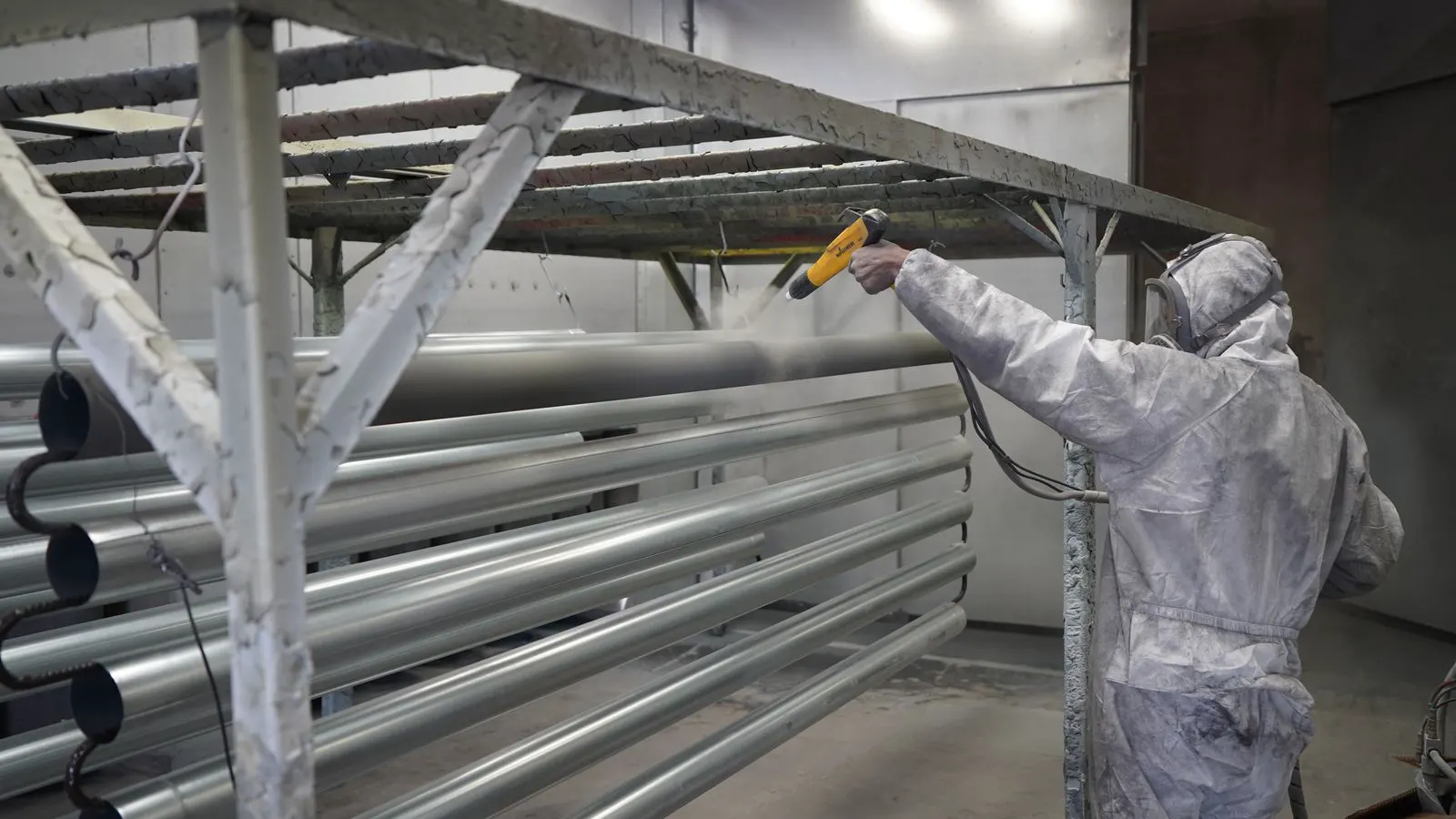
Coated castings cost more than bare parts because of extra processes and quality checks. Lead time extends due to curing and inspection cycles. You can manage both by defining coating requirements clearly in your RFQ, specifying acceptable finish standards, and confirming the foundry's coating capacity before awarding the contract.
- Coating adds labor and material costs to the standard investment casting process.
- Lead time depends on coating type, drying cycles, and post-coating inspection requirements.
- A clear RFQ specifying finish standards prevents costly rework and delays during production.
- Comparing quotes requires separating base casting price from coating and finishing fees.
- Foundry capacity for coating operations can be a major bottleneck during peak demand.
Why Coated Castings Cost More
Coating adds cost to a casting order because it requires extra materials, labor, and quality control. The foundry must apply the coating, allow it to cure, and verify the finish meets your specifications before release. This additional work sits on top of the base casting cost, which covers wax pattern making, investment, pouring, and cleanup. The final price depends heavily on the coating type. Ceramic, oxide, or metallic coatings each carry different material and application costs. A ceramic thermal barrier coating, for instance, requires high-temperature firing in a kiln, adding energy costs and equipment time. A metallic coating may require vacuum deposition, which is more capital-intensive.
The surface area of the part matters significantly. A complex geometry with deep cavities, thin walls, or intricate internal passages costs more to coat than a simple block. Standard spray equipment struggles to reach hidden corners. The foundry may need to use brushes, wicks, or specialized rotary nozzles to ensure coverage in hard-to-reach areas. These methods are slower and often less consistent than standard spraying. If the part has a very small surface area, such as a small bracket, the overhead cost of setting up the coating line is spread over fewer units, raising the per-unit cost.
Surface preparation is another major cost driver. The foundry may need to blast or grind the casting before applying the coating. This step removes porosity, oxide, or sand inclusions that would otherwise cause the coating to peel or crack. More aggressive preparation means more machine time and consumables. Abrasive blasting uses sand or shot, which wears out quickly. Grinding uses discs or wheels that also require frequent replacement. If the casting has a rough surface from a thick wax pattern or a long investment cycle, the preparation time increases. The foundry must also clean the part after blasting to remove debris. This cleaning step adds labor and may require solvents or compressed air.
How Coating Affects Lead Time
Coating extends the delivery timeline because the process is not instantaneous. Application is only one step. Curing, drying, and inspection take time. Some coatings require controlled oven cycles. Others need air drying periods. The total time depends on the coating system and the volume of parts.
The lead time impact depends on the coating system. Thermal barrier coatings often require high-temperature curing. This adds days to the schedule. The parts must be heated to a specific temperature and held there for a set duration. This process can take several hours per cycle. If the foundry has limited oven space, parts must wait for a slot. Simple surface treatments may dry faster but still require verification. A paint-based coating might dry in an hour, but it still needs a cure time to harden and resist abrasion.
Queue time is a hidden factor. If the foundry’s coating line is busy with other orders, your parts may wait. This is common during peak seasons or when multiple customers are running small batches. You should ask about the coating capacity separately from the general casting capacity. A foundry may have ample foundry floor space but only one small spray booth. If that booth is fully booked, your parts cannot be coated even if the castings are ready.
The inspection step also adds time. The foundry must check for pinholes, blisters, or uneven coverage. Rejecting a coating and reapplying it restarts the cycle. This is why clear specifications matter. If the specification is vague, the foundry may guess, leading to rework. If the specification is precise, the foundry can apply the coating correctly the first time.
Key Cost Drivers in Coated Castings
The table below lists the main factors that influence the final price for coated castings. Use this list when reviewing quotes.
| Cost Driver | Description |
|---|---|
| Coating Type | Ceramic, metallic, or oxide systems have different material costs. |
| Surface Area | Larger or more complex parts require more material and application time. |
| Surface Prep | Blasting or grinding before coating adds labor and consumable costs. |
| Coating Thickness | Thicker applications use more material and may require multiple coats. |
| Inspection Requirements | Higher rejection thresholds increase the cost of rework. |
| Batch Size | Small batches often have higher per-unit coating costs than large runs. |
How to Write a Clear RFQ for Coated Parts
A vague RFQ leads to wide price ranges and long lead times. You must specify exactly what kind of coating you need. Do not just say “coated.” Specify the material, thickness, and finish standard. If you write “coated with ceramic,” the foundry may ask what type of ceramic and what temperature it must withstand. This back-and-forth delays the quote and increases the risk of misalignment.
Start with the casting requirements. Define the material, tolerance, and surface finish for the base part. Then add a separate section for coating. State the coating type, for example, aluminum oxide or zirconia ceramic. Define the minimum thickness. Specify any color or gloss requirements if applicable. For instance, if you need a matte black finish, state the gloss level in a standard unit, such as 20 gloss units at 60 degrees.
Include the acceptance criteria. This tells the foundry how to test the coating. For example, you might require a salt spray test for corrosion resistance or a cross-section check for adhesion. The stricter the test, the higher the cost and lead time. A salt spray test takes hours and requires equipment. A cross-section check requires cutting the part, which is destructive and time-consuming. If you require both, the cost and lead time will be significantly higher than if you only require a visual check.
Comparing Foundry Quotes Fairly
Foundries quote differently. Some include the coating in the base unit price. Others list it as a separate line item. This makes direct comparison difficult. A quote that lists a total of $50 per part may look cheaper than a quote that lists $40 for casting and $15 for coating, but the latter gives you more clarity.
Ask each foundry to break down the quote. Request the cost of the bare casting, the cost of surface preparation, and the cost of the coating application. This reveals where the differences lie. One foundry may have a cheaper base casting but a higher coating fee. Another may have a higher base cost but a lower finishing fee. The base casting cost depends on the foundry’s equipment and labor rates. The coating cost depends on their coating line setup and material costs.
Check the lead time structure. Some foundries quote lead time in weeks. Others quote in days from order approval. Ensure you are comparing the same starting point. The start date should be the date the foundry receives the approved tooling or pattern. If one foundry starts the clock when they receive the RFQ and another starts when they receive the pattern, the lead times are not directly comparable.
Managing Delivery and Cost Trade-offs
You can sometimes reduce cost by adjusting the coating specifications. A thinner layer may be sufficient for your application. This saves material and time. For example, if you need a corrosion-resistant coating and your part is not exposed to harsh environments, a thinner layer may be enough. You can also simplify the geometry. Reducing undercuts or deep cavities makes coating easier and cheaper. If you are designing the part, consider adding a fillet where a sharp corner would be difficult to coat. This improves the coating adhesion and reduces the chance of defects.
Lead time can be managed by pre-approving the coating process. If the foundry has used the coating system before, they can skip the trial phase. This saves time. You can also agree on a partial shipment. If the coating takes longer, the foundry can ship the bare castings first. You can then apply the coating at your facility or at a specialty coating shop.
This split approach works well for prototyping. You verify the casting quality quickly. You can test the fit and function of the bare part before committing to the coating. Then you handle the coating separately. For production runs, a single foundry usually provides better quality control. They manage the entire process under one roof. This reduces the risk of damage during shipping and ensures that the coating is applied to a part that has just been cleaned and inspected.
Qualifying the Foundry’s Coating Capability
Not all foundries coat their own castings. Some outsource the finishing. This can affect quality and lead time. You need to know who handles the coating. If the foundry outsources the coating, they may not have the same level of control over the process. They may not be able to inspect the coating as thoroughly because the parts are out of their facility.
Ask about the coating equipment. Do they have the ovens or spray booths required for your coating type? Do they have the space to cure the parts? If they outsource, who is the coating vendor? Request references for that vendor. If the vendor is a third-party shop, the foundry may not have direct visibility into the coating process. This can lead to delays or defects that are difficult to trace.
Check the quality controls. How do they inspect the coating? Do they use visual checks, thickness gauges, or adhesion tests? The level of inspection determines the risk of rejection. A foundry with poor coating inspection may ship parts that fail in your application. They may rely on a simple visual check, which can miss thin spots or pinholes. A foundry with better controls may use a coating thickness gauge to verify that the coating meets the minimum thickness specification. They may also perform a cross-section check on a sample part to verify adhesion.
The foundry’s overall financial stability also matters. A foundry with a solid balance sheet is less likely to cut corners on coating quality. They can invest in proper equipment and training. A struggling foundry may rush the process to meet cash flow targets. They may skip the surface preparation step or reduce the curing time to speed up the process. This can lead to coating defects that appear later in your application.
Final Checklist for Your Decision
Use this list before you award the contract.
- Confirm the coating type, thickness, and finish standard in the RFQ.
- Request a cost breakdown separating base casting from coating fees.
- Verify the foundry’s coating capacity and equipment.
- Agree on the acceptance criteria for the coating.
- Confirm the lead time start date and the expected delivery window.
Coated castings cost more because of the added steps. Lead time extends because of curing and inspection. You can manage both by writing a clear RFQ and comparing quotes line by line. The goal is to find a foundry that can deliver the right finish on time, without hidden costs or rework.
Frequently asked questions
Does the coating type affect the lead time?
Yes. Different coatings require different curing processes. Some need high-temperature ovens, which take longer to cycle than air-dried finishes.
Can I apply the coating myself to save money?
You can, but it requires specialized equipment and expertise. It also moves the quality risk to your facility. Many buyers use a specialty coating shop for better control.
How do I know if a foundry’s coating is high quality?
Ask for test reports. Look for adhesion tests, thickness measurements, and visual inspection records. Request samples of previous work if possible.
What happens if the coating fails inspection?
The foundry usually reworks the part. This adds cost and delays delivery. Clear specifications in the RFQ help prevent this by setting clear expectations.
Is there a minimum order quantity for coated castings?
Some foundries have minimums for coating batches. Small orders may have higher per-unit costs. Ask about minimums before you finalize the design.