Investment vs Sand Casting: Tolerances

Investment casting offers tighter dimensional tolerances and smoother surfaces than sand casting. The choice depends on part complexity, material, and the need for post-machining.
- Investment casting typically delivers tighter tolerances than sand casting, reducing the need for secondary machining.
- Sand casting is better suited for large, low-complexity parts where surface finish is less critical.
- Dimensional accuracy depends on mold material, part geometry, and the alloy being cast.
- Surface finish directly influences machining allowances and final product quality.
- Select the process based on the balance between tolerance requirements, production volume, and cost.
How Investment Casting Achieves Tighter Tolerances
Investment casting, also known as lost wax casting, uses a ceramic mold created around a wax replica of the part. This method produces a fine-grained surface and precise geometry. The mold surface directly defines the part surface, so any imperfection in the wax pattern or the mold buildup shows up in the final casting.
The tolerance range for investment castings is generally tighter than for sand casting. This is because the ceramic shell or investment material can form a very smooth, thin mold wall. The metal solidifies against this smooth surface without the coarser texture of a sand mold.
Typical dimensional accuracy in investment casting allows for relatively small machining allowances. Engineers can design parts with less material to remove, which lowers cost and cycle time. The process supports complex geometries with internal features that are difficult to mold in sand.
How Sand Casting Defines Its Tolerances
Sand casting uses a sand mold, often formed in a flask or as a green sand or resin-bonded sand mold. The sand grains create a textured surface on the casting. This texture affects both the surface finish and the dimensional accuracy.
The tolerance range for sand casting is wider than investment casting. The mold wall is thicker, and the sand can shift slightly during molding and pouring. As a result, the final casting often requires more machining to reach the final dimensions.
Sand casting is well suited for large parts and high-volume production where tight tolerances are not a priority. The process can handle thick sections and heavy sections well. The dimensional accuracy is acceptable for many structural and automotive applications where the part will be machined anyway.
Comparison of Tolerance Ranges by Process
The table below compares the typical tolerance characteristics of investment casting and sand casting. These ranges vary by alloy, part size, and production method.
| Option | Best for | Limitations |
|---|---|---|
| Investment Casting | Tight tolerances, complex internal features, smooth surfaces, low post-machining needs | Higher per-part cost, limited to smaller to medium part sizes, longer lead times for tooling |
| Sand Casting | Large parts, high-volume production, thick sections, lower-cost components | Wider tolerance range, rougher surface finish, greater machining allowances |
| Green Sand Casting | Low-cost, low-complexity parts, large sizes | Coarse surface finish, less consistent dimensional accuracy, high machining requirements |
| Resin-Bonded Sand Casting | Medium to large parts, better surface finish than green sand | Still wider tolerance than investment casting, higher material cost than green sand |
| Shell Mold Casting | Medium parts, better surface finish than green sand, moderate tolerance | Limited to simpler geometries, not as precise as investment casting |
When to Pick Investment Casting for Tolerances
Choose investment casting when the part requires tight dimensional accuracy and a smooth surface finish. This is the case for many valve bodies, hydraulic components, turbine parts, and medical instruments. The tighter tolerances reduce the need for secondary machining.
Consider investment casting when the part has complex internal channels, thin walls, or intricate features. The ceramic mold can capture these details with high fidelity. The process is also suitable for high-alloy steels, stainless steels, and superalloys where surface quality affects performance.
Investment casting is a strong choice for low to medium volume production. The initial cost of creating the wax pattern and mold tooling is higher, but the per-part cost can be competitive when the tolerance requirements are strict.
When to Pick Sand Casting for Tolerances
Choose sand casting when the part is large, thick, or requires a lower production cost. Sand casting is ideal for engine blocks, flanges, and large housings. The wider tolerance range is acceptable when the part will be machined to final dimensions.
Consider sand casting for high-volume production where the cost per part must be minimized. The process is fast and scalable. It handles many materials, including gray iron, ductile iron, and aluminum alloys. The surface finish is less smooth, but this is often not a concern if the part will be machined or coated.
Sand casting is also better suited for parts with large cavities or complex external shapes that are difficult to mold in investment. The sand mold can be made in larger sections and broken away after solidification.
Impact of Surface Finish on Tolerances
Surface finish and dimensional accuracy are closely linked. A smooth surface in investment casting allows for tighter tolerances because the mold surface is uniform. In sand casting, the grain texture creates variations in the casting surface. These variations must be accounted for in the machining allowances.
A rougher surface finish can also affect the accuracy of machined features. If the casting surface is not flat, the machined face may not be parallel or within the required tolerance. This can increase the time and cost of machining.
The Buyer’s Guide to Sourcing Investment Castings with Surface Finish highlights the need to define surface finish requirements clearly. The Checklist for Verifying Surface Finish on Castings provides a method for inspecting the final surface. These practices help ensure that the tolerances are met.
Common Mistakes in Tolerance Selection
One common mistake is assuming that a tighter tolerance always improves the part. Excessive tolerance requirements increase the cost of machining and may not be necessary for the function of the part. Engineers should define the minimum tolerance required for assembly and performance.
Another mistake is not accounting for the shrinkage of the material during solidification. Different alloys shrink at different rates. The mold dimensions must be adjusted for this shrinkage. If the shrinkage is not correctly calculated, the final part will be out of tolerance.
A third mistake is neglecting the effect of mold material on dimensional accuracy. In investment casting, the ceramic shell material and the investment compound affect the surface finish and dimensional stability. In sand casting, the sand type and bonding agent affect the mold strength and surface texture. Selecting the right mold material is critical for achieving the desired tolerances.
Verifying Tolerances in Production
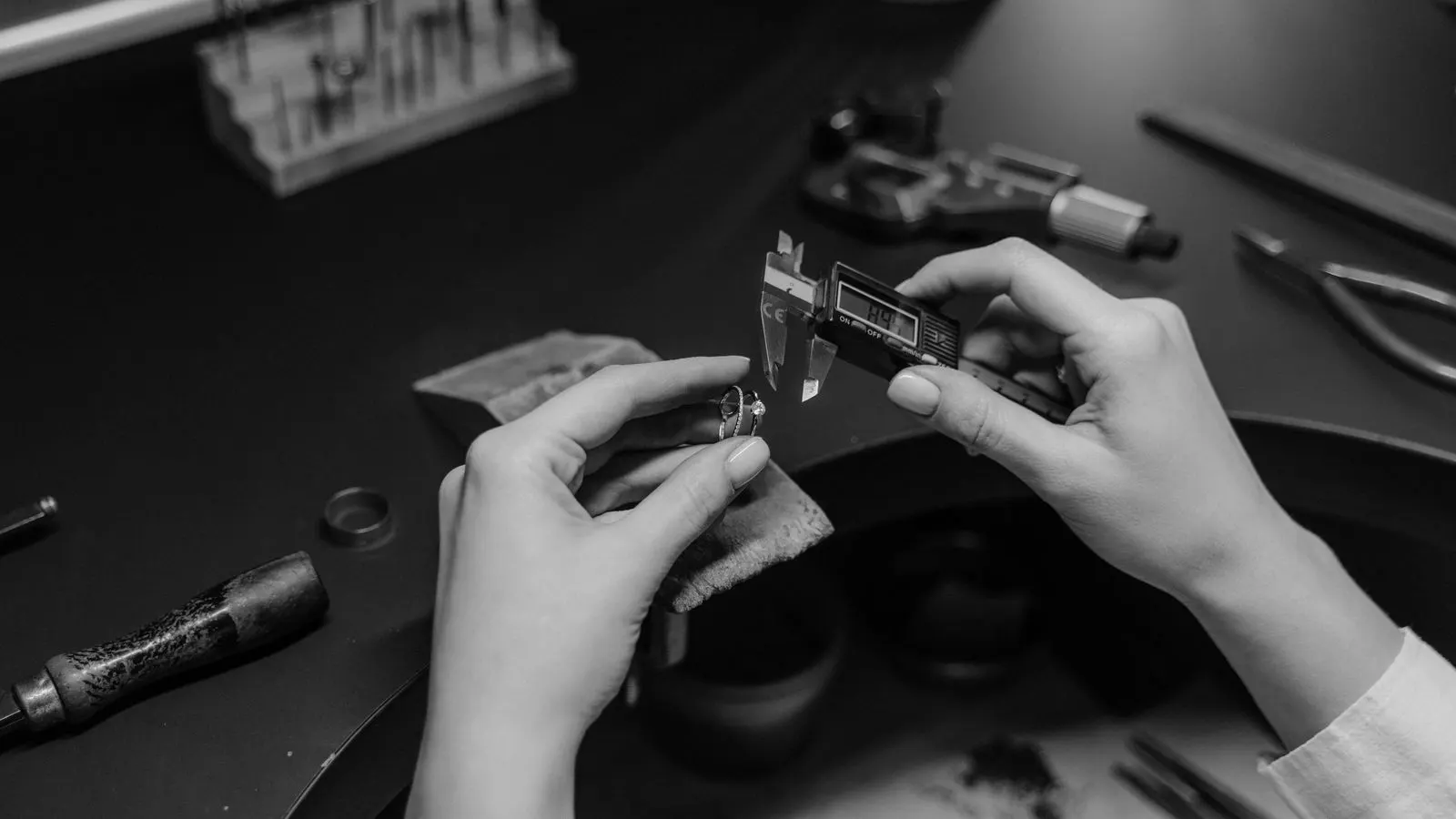
To verify tolerances, use precision measuring instruments such as CMMs, calipers, micrometers, and bore gauges. The measurement method should match the critical features of the part. For example, use a CMM for complex geometries and a bore gauge for internal diameters.
The casting should be inspected after solidification and before machining. This helps identify defects that would otherwise be missed. The surface finish should be checked against the required standard. The dimensional accuracy should be within the specified tolerance range.
A final inspection after machining confirms that the part meets the design requirements. The drawing should clearly state the tolerance for each critical dimension. The process control should monitor the mold and pouring conditions to maintain consistency.
The Outlook on Automation in Investment Casting Finishing suggests that automated systems can improve the consistency of finishing operations. This helps maintain tight tolerances across a production run. The Cost Breakdown of Investment Casting Finishing Operations shows how finishing costs can be managed.
Final Considerations for Tolerance Selection
The choice between investment casting and sand casting depends on the part requirements. Investment casting provides tighter tolerances and a smoother surface, making it suitable for high-precision parts. Sand casting offers lower cost and better scalability for large, low-complexity parts.
Engineers should evaluate the tolerance requirements, the material, the production volume, and the post-machining needs. The process that best fits these factors will deliver the best value. The Investment vs CNC Machining comparison shows that casting is often the first step in a manufacturing chain, and the tolerance must be set to minimize the downstream machining.
The Comparison of Casting Tolerances and Surface Finishes provides a broader view of the trade-offs. Understanding these trade-offs helps in making an informed decision. The key is to align the casting process with the final part requirements.
Frequently asked questions
What is the typical tolerance range for investment casting?
Investment casting typically allows for tighter tolerances than sand casting, often in the range of a few thousandths of an inch. The exact range depends on the part size, material, and mold quality.
How does sand casting compare to investment casting in terms of dimensional accuracy?
Sand casting generally has wider tolerances due to the coarser texture of the sand mold. This often requires more machining to achieve the final dimensions. The accuracy is acceptable for many structural parts.
Can investment casting be used for large parts?
Investment casting is typically used for small to medium parts. Large parts are more commonly produced using sand casting or other methods. The size limitation is due to the mold creation and handling process.
What materials are suitable for investment casting?
Investment casting is suitable for many materials, including stainless steels, superalloys, titanium, and bronze. The material must be compatible with the investment compound and the melting process.
How can I verify the tolerances of a casting?
Use precision measuring instruments such as CMMs, calipers, and micrometers. The measurement method should match the critical features of the part. Inspect the casting after solidification and before machining to identify defects.