Outlook: Investment Casting in Offshore Wind
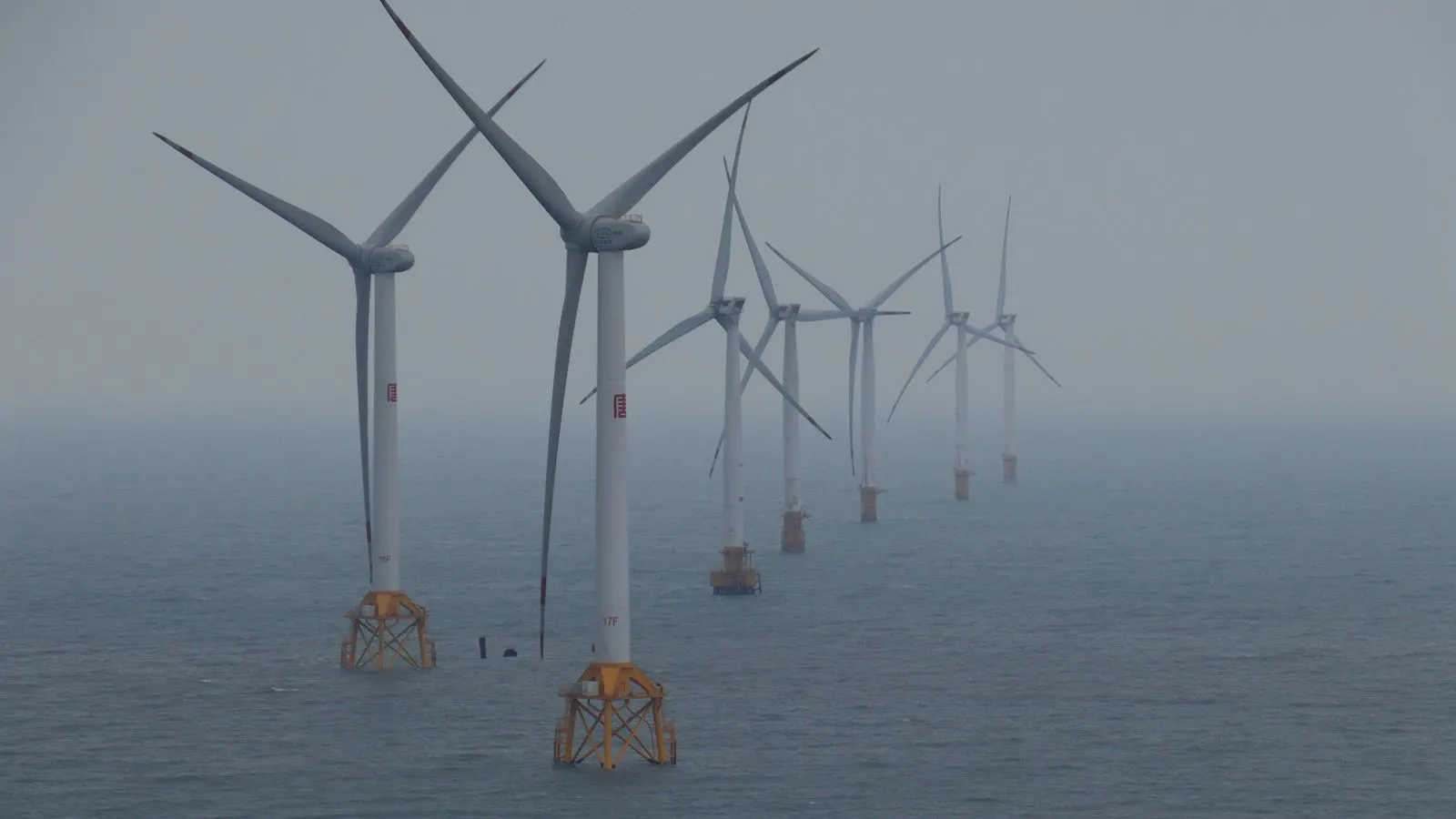
Offshore wind investment casting is shifting toward heavier-duty alloys, resilient supply chains, and tighter quality controls. This outlook details five practical changes buyers should anticipate and how to adjust sourcing, engineering, and inspection plans.
- Offshore wind casting is moving toward higher-strength alloys and thicker wall sections to handle increased turbine loads.
- Buyers should diversify suppliers and qualify secondary sources to protect against long lead times and material shortages.
- Quality documentation, traceability, and pre-production testing are becoming standard expectations for offshore turbine components.
- Engineering changes should be made early in the design phase to reduce casting defects and improve yield.
- Long-term relationships with foundries and pattern shops help secure capacity for future turbine programs.
Why Offshore Wind Casting Is Changing
Offshore wind investment casting is moving away from simple replication of older turbine designs. Modern offshore turbines are larger, heavier, and more demanding on component performance. Buyers can expect casting processes, materials, and quality controls to evolve in response to these changes.
The shift is visible in three areas: material requirements, supply chain stability, and quality documentation. Foundries are adapting to meet stricter offshore energy standards. Buyers who plan ahead will be better positioned to secure capacity, reduce defects, and control costs.
This article outlines five shifts to watch and how to prepare your procurement and engineering teams.
1. Materials Are Moving Toward Higher Performance
Offshore wind turbine components must handle extreme loads, corrosion, and fatigue over decades of service. Casting alloys are evolving to meet these demands.
Buyers should expect more use of high-strength steels, nickel-based alloys, and specialized superalloys for critical parts. These materials improve fatigue resistance and strength but can increase casting costs and complexity.
When specifying materials, work with your foundry early. High-performance alloys often require different melt practices, cooling rates, and heat treatment. A material that works well in onshore applications may not perform as expected in offshore conditions.
If you are sourcing wind turbine casting parts, ask about:
- Alloy availability and long-term supply commitments.
- Heat treatment requirements and post-casting inspection.
- Performance history in similar offshore environments.
Early collaboration reduces the risk of late-stage material changes that delay projects and increase cost.
2. Design Tolerances Are Tightening
Modern offshore turbines require precise fit-up between components. Casting tolerances are getting tighter, especially for mating surfaces, bolt patterns, and internal features.
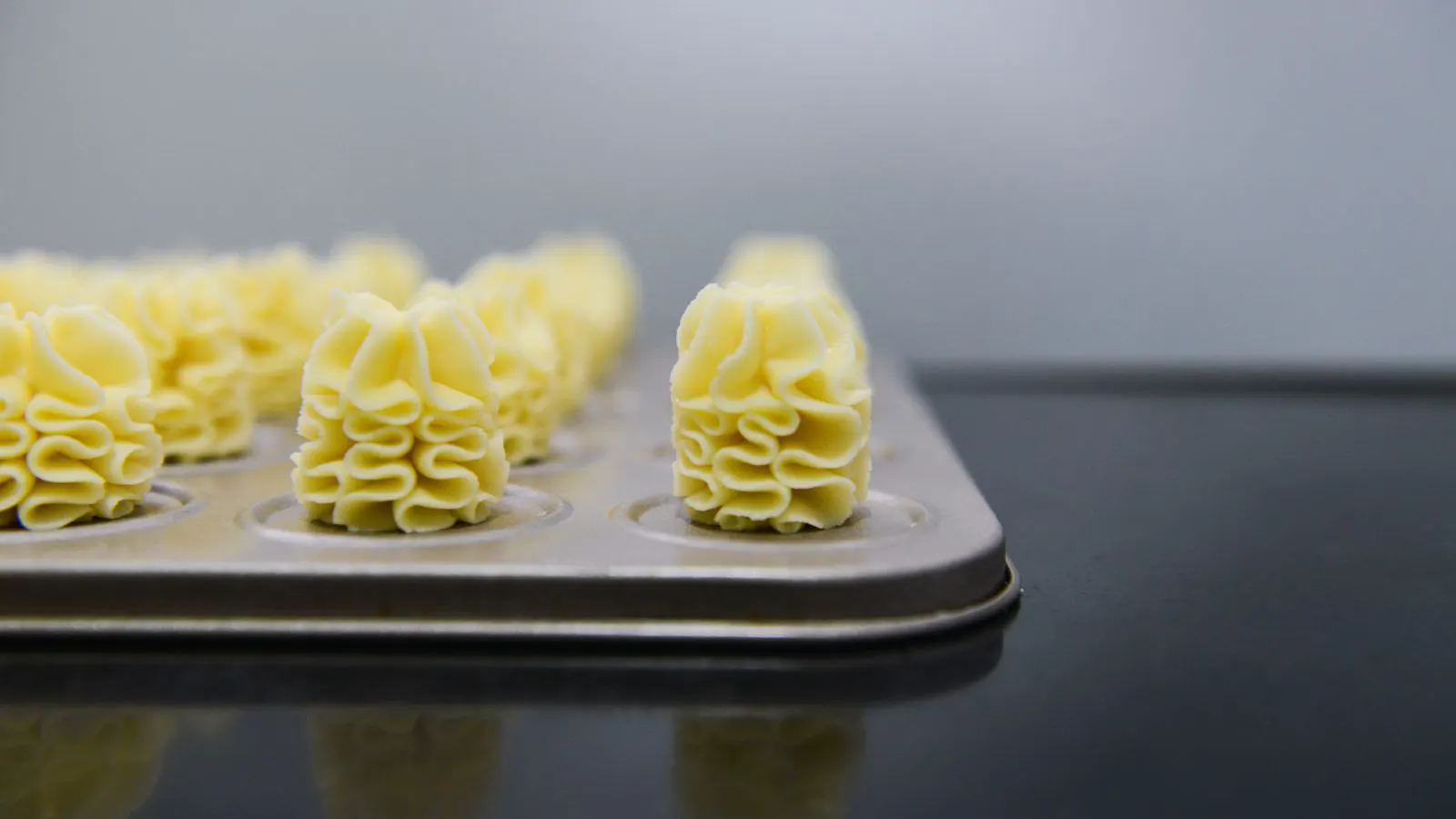
This shift increases the importance of wax pattern accuracy and investment material stability. Small errors in the wax pattern or investment packing can lead to dimensional drift, shrinkage, or surface defects.
Buyers should review design for castability before releasing drawings. Features that look simple on a CAD model can be difficult to cast. Sharp corners, thin walls, and complex internal passages increase the risk of defects.
When reviewing drawings, pay attention to:
- Wall thickness transitions and draft angles.
- Critical dimensions that affect fit-up.
- Features that require post-casting machining.
Clear, castability-optimized designs reduce rework and improve first-pass yield.
3. Supply Chains Are Becoming More Resilient
Offshore wind projects are long-term programs. Buyers need reliable supply over years, not just a single production run. Supply chain resilience is now a core planning factor.
This means qualifying multiple suppliers, maintaining backup material sources, and building longer-term agreements with key partners. Foundries, alloy suppliers, and pattern shops all play roles in this chain.
A single-source strategy can create risk. If one supplier faces capacity issues, material shortages, or quality problems, your project timeline can slip.
Prepare by:
- Qualifying at least two capable foundries for each critical part family.
- Establishing long-term agreements with alloy suppliers.
- Keeping pattern shops engaged across multiple projects to maintain capacity.
- Tracking material lot traceability across the supply chain.
Resilience is not about overbuying. It is about building options and visibility so you can respond quickly when conditions change.
4. Quality Documentation Is Becoming More Standard
Offshore energy parts face higher scrutiny. Buyers and regulators expect detailed quality records, not just a final inspection report.
Expect increased demand for:
- Material certificates and mill test reports.
- Heat treatment records and hardness maps.
- Dimensional inspection reports, including CMM data.
- NDT records for critical areas.
- Traceability from raw material to finished part.
This documentation adds cost and time, but it protects both parties. Clear records reduce disputes, support warranty claims, and help with future design changes.
When sourcing offshore energy parts, agree on documentation requirements upfront. Define which inspections are mandatory and which are optional. Specify the standards and formats for reports.
Clear documentation expectations reduce surprises during production and make acceptance faster.
5. Foundry Capability Is Becoming More Specialized
Investment casting for offshore wind is becoming more specialized. Foundries are investing in better process control, automation, and testing to meet demanding requirements.
Buyers should look for foundries that can demonstrate:
- Stable investment material handling and packing.
- Controlled melt and pouring practices.
- Advanced inspection and NDT capabilities.
- Experienced process engineers who understand turbine components.
- A track record with similar offshore parts.
A foundry that can explain its process in detail is usually a better partner than one that only offers low price. Process knowledge reduces defects and improves consistency.
When evaluating suppliers, ask for:
- Examples of similar offshore wind castings they have produced.
- Their approach to defect prevention and yield improvement.
- How they handle process changes and nonconforming parts.
- Their quality management system and audit readiness.
Specialization is a good sign. It means the foundry has experience with the specific challenges of offshore turbine casting.
How to Prepare Your Procurement and Engineering Teams
Preparing for the next phase of offshore wind investment casting requires action in three areas: design, sourcing, and quality.
Design for Castability Early
Involve casting engineers during the design phase, not after drawings are finalized. A small design change early can save significant cost and time later.
Focus on:
- Uniform wall thickness where possible.
- Generous draft angles on features.
- Avoiding complex internal passages unless functionally required.
- Identifying critical dimensions that need tight tolerance.
Build a Resilient Supplier Base
Do not rely on a single supplier for critical parts. Qualify multiple foundries and maintain open communication about capacity, material availability, and quality performance.
Long-term relationships matter. Foundries that understand your program and quality expectations can plan better and respond faster.
Align on Quality Expectations
Agree on inspection requirements and documentation formats before production starts. This prevents disputes and speeds up acceptance.
Define:
- Which inspections are mandatory.
- Which standards apply.
- How nonconforming parts are handled.
- What records are required for traceability.
Practical Considerations for Buyers
The table below summarizes key areas to focus on when planning offshore wind investment casting requirements.
| Area | What to Focus On | Why It Matters |
|---|---|---|
| Material selection | High-strength and corrosion-resistant alloys | Improves performance in harsh offshore conditions |
| Design review | Castability, wall thickness, critical dimensions | Reduces defects and improves yield |
| Supply chain | Multiple suppliers, long-term agreements | Protects against capacity and material risk |
| Quality documentation | Material certs, NDT, traceability | Supports acceptance and warranty |
| Foundry capability | Process control, inspection, experience | Ensures consistency and defect prevention |
1. Start with Part Criticality
Not all turbine parts carry the same risk. Identify which castings are safety-critical, which affect fit-up, and which can tolerate more variation.
This helps you allocate inspection effort and quality controls where they matter most.
2. Engage Foundries During Design Review
Casting engineers can identify potential issues before they become production problems. Early input reduces rework and improves first-pass yield.
3. Qualify Secondary Suppliers
Even if you use one primary foundry, qualify a second source. This gives you options if capacity or quality issues arise.
4. Track Performance Across Lots
Monitor defect rates, dimensional accuracy, and inspection results over multiple production lots. Trends reveal process issues before they become major problems.
5. Plan for Long-Term Programs
Offshore wind projects span many years. Build supplier relationships that can support long-term growth, not just a single order.
Final Thoughts
Offshore wind investment casting is evolving. Materials, tolerances, supply chains, and quality expectations are all shifting toward higher performance and greater reliability.
Buyers who plan ahead will be better positioned to secure capacity, reduce defects, and control costs. The key is to engage casting partners early, design for castability, and build resilient supply chains.
These steps do not require perfection. They require consistency and clear communication.
Frequently asked questions
How does offshore wind investment casting differ from onshore casting?
Offshore castings typically require higher-strength alloys, tighter tolerances, and more extensive quality documentation to handle greater loads and harsher environments.
What should buyers prioritize when selecting materials for offshore turbine castings?
Prioritize fatigue resistance, corrosion resistance, and long-term supply reliability. Work with foundries to confirm heat treatment and inspection requirements.
How can buyers reduce casting defects in offshore wind parts?
Engage foundries during design, review drawings for castability, and define clear tolerance and inspection requirements before production.
Why is supply chain resilience important for offshore wind casting?
Offshore wind programs are long-term. Multiple suppliers and backup material sources help protect against capacity issues and material shortages.
What documentation should buyers expect for offshore energy castings?
Expect material certificates, heat treatment records, dimensional inspection reports, NDT records, and full traceability from raw material to finished part.