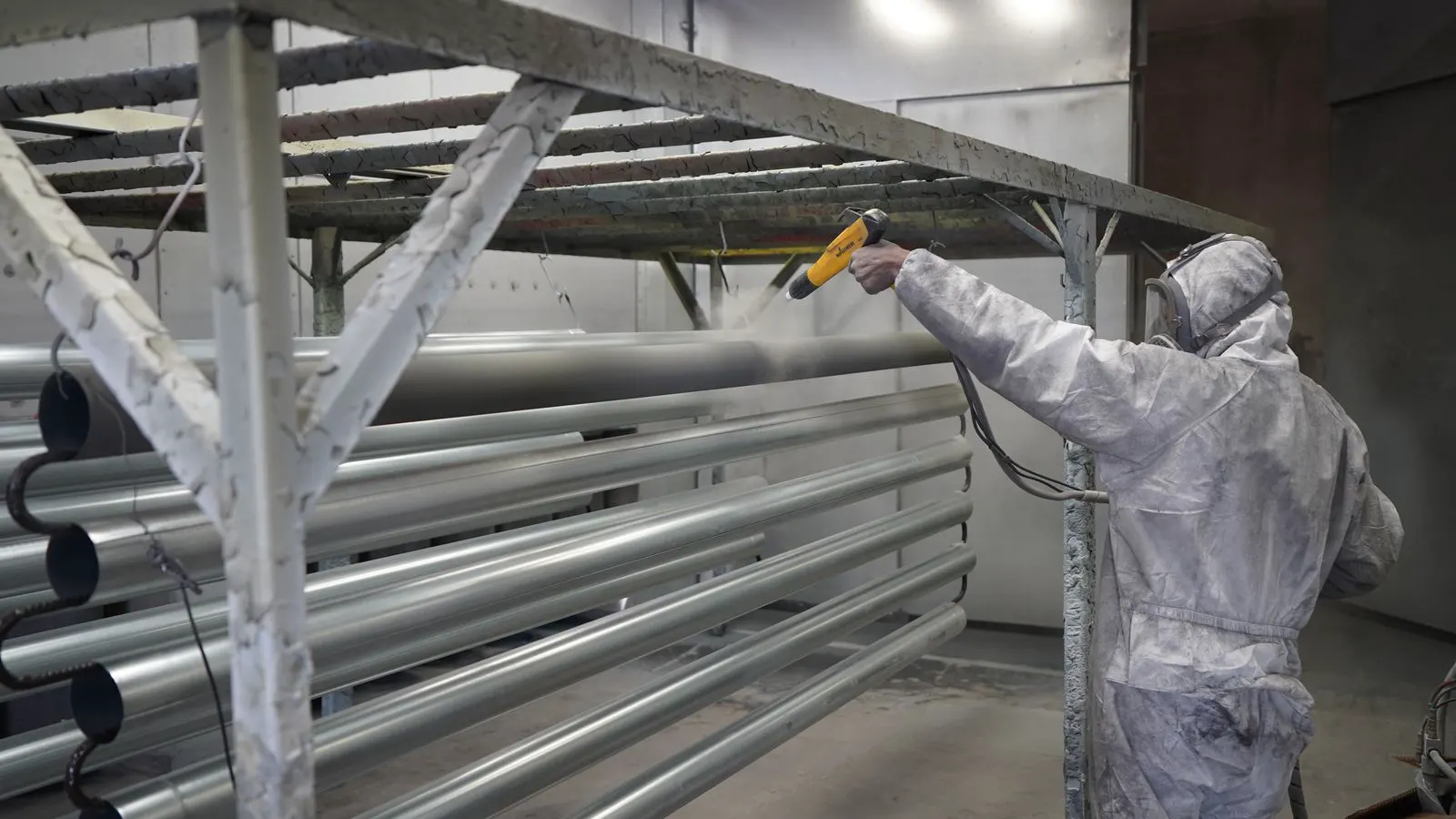
Outlook: How Foundry Data Sharing Shapes Sourcing
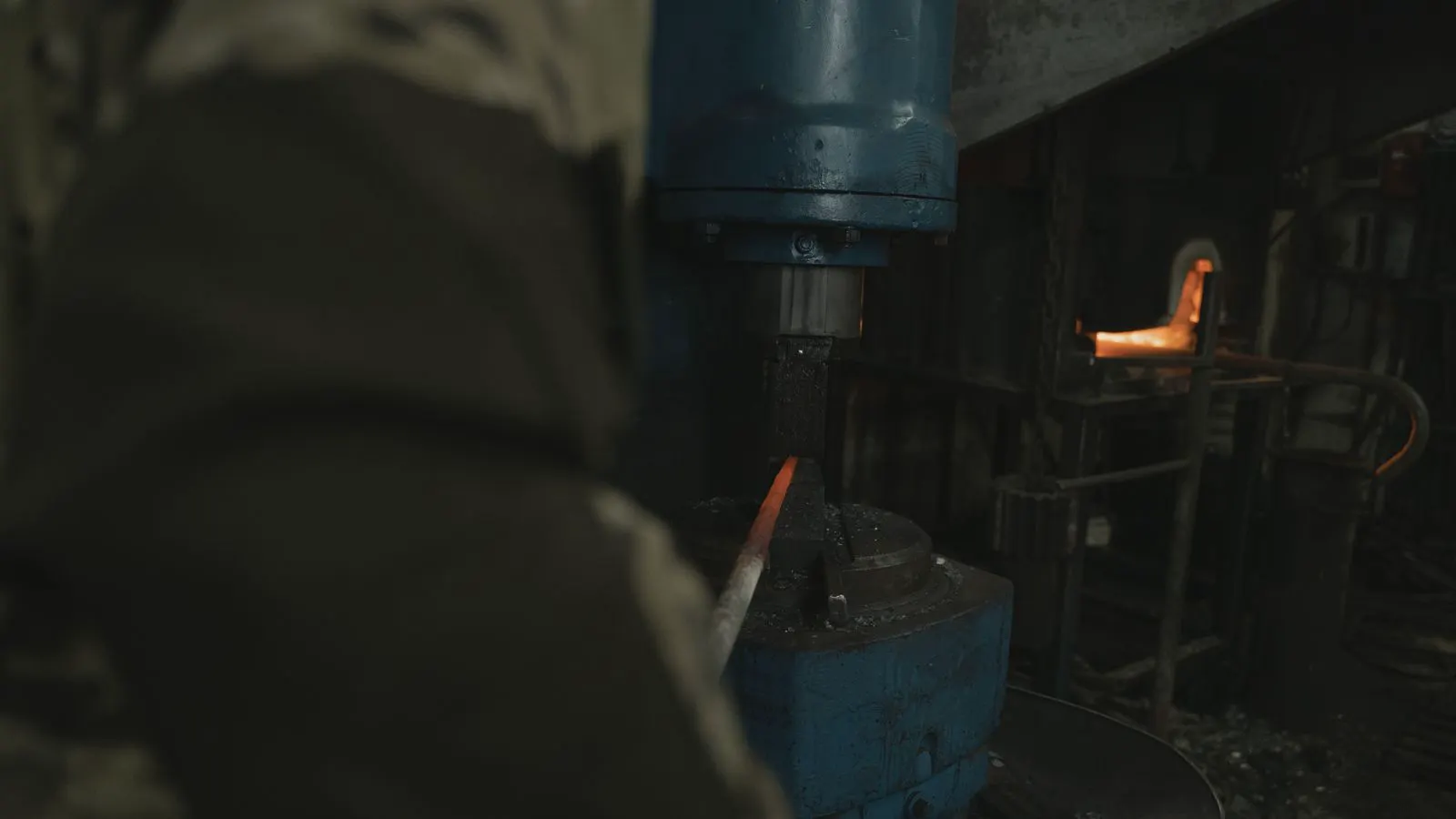
Foundry selection is shifting from opaque negotiations to data-driven evaluation. Buyers can now assess supplier capabilities through shared process metrics, digital records, and transparent communication. Prepare by requesting specific data points, validating digital claims, and building supplier relationships that support continuous improvement and traceability.
- Foundry selection now relies on verifiable data rather than reputation alone
- Digital transparency trends push buyers to request specific process metrics and documentation
- Supplier evaluation must account for both technical capability and data-sharing willingness
- Foundry capabilities should be assessed through shared digital records and traceability systems
- Preparation requires defining data requirements and validating supplier claims before committing to sourcing
How Digital Transparency Changes Supplier Evaluation
Foundry selection used to depend heavily on reputation, past experience, and in-person visits. A buyer would tour the facility, review samples, and rely on the supplier’s assurances about process control. That approach still works, but it no longer covers the full picture.
Digital transparency is changing the equation. Foundries are increasingly willing to share production data, process metrics, and quality records. Some offer digital traceability from raw material receipt through final inspection. This shift gives buyers more information to make informed decisions.
The practical effect is significant. A buyer can now compare suppliers based on specific, verifiable data rather than general claims. This changes how foundry selection happens and what information buyers should request.
Shift 1: From General Capabilities to Specific Process Metrics
The first major shift is moving from broad capability statements to specific process metrics. Instead of asking “Do you have good quality control?”, buyers are requesting specific data points.
These include dimensional accuracy rates, surface finish measurements, porosity detection methods, and first-pass yield statistics. A foundry that can provide this data demonstrates a mature process control system. One that cannot may still produce good castings, but the buyer cannot verify this independently.
The practical step is building a data request list before engaging with suppliers. This should include the specific metrics relevant to your parts. For a medical device component, dimensional accuracy and surface finish data matter most. For an aerospace bracket, porosity detection and material certification records carry more weight.
Shift 2: Digital Traceability as a Selection Factor
The second shift involves digital traceability. Modern foundries are implementing systems that track each casting from raw material batch through every production step. This creates a digital record that can be retrieved and reviewed.
For buyers, this changes supplier evaluation. Instead of relying on a supplier’s word about material provenance, you can review the digital record. For a foundry that processes aluminum alloys, this might include heat numbers, chemical composition reports, and inspection results for each production lot.
The key question is whether the foundry can provide this traceability for your specific parts. Some foundries offer it as standard. Others require additional setup or have limited coverage. This becomes a legitimate factor in foundry selection, not just a nice-to-have.
Shift 3: Real-Time Production Visibility
The third shift is real-time production visibility. Some foundries now provide buyers with access to production dashboards or periodic data reports. This can include machine utilization rates, defect tracking, and production schedule adherence.
This matters for lead time planning. A buyer who sees that a foundry consistently runs 15 percent behind schedule can adjust their planning. One that shows stable production metrics gives more confidence in quoted lead times.
For complex programs with multiple revisions, this visibility helps identify issues early. If a foundry’s data shows increasing rejection rates on a specific feature, the buyer can address it before the entire production run is affected.
Shift 4: Standardized Data Formats and Integration
The fourth shift involves standardization. As digital transparency grows, foundries are moving toward standardized data formats. This makes it easier for buyers to compare suppliers and integrate foundry data into their own systems.
For example, a buyer might request dimensional inspection data in a specific file format. A foundry that can provide this data in that format demonstrates technical maturity. One that requires manual reformatting or provides data only as PDF images presents integration challenges.
This shift also affects how foundry capabilities are assessed. A foundry with robust digital systems can demonstrate its capabilities through data, not just verbal descriptions. This changes supplier evaluation from a subjective process to a more objective comparison.
Shift 5: Data-Driven Relationship Management
The fifth shift is changing how buyer-foundry relationships work. When foundries share data, relationships become more data-driven. Instead of relying on periodic reviews, both parties can monitor performance continuously.
This requires a different approach to supplier evaluation. A buyer needs systems to collect, analyze, and act on foundry data. This might mean integrating foundry data into their own quality management system or using specific software to track supplier performance metrics.
The practical implication is that foundry selection now includes assessing the foundry’s ability to support this type of relationship. A foundry that resists data sharing or provides incomplete data may be a poor fit, even if its technical capabilities are strong.
How to Prepare for These Changes
Preparing for these shifts requires several concrete steps. First, define your data requirements. List the specific metrics and documents you need from your foundry. This should be based on your part requirements, quality standards, and risk tolerance.
Second, build a data request template. This template should be specific enough to get useful information but flexible enough to adapt to different foundries. Include sections for process metrics, traceability records, production data, and quality documentation.
Third, validate supplier claims. When a foundry offers digital transparency, verify it. Request a sample data package for an existing part. Review the data for completeness and relevance. Check whether the traceability covers the full production chain.
Fourth, assess integration capability. Determine whether the foundry’s data formats work with your systems. If not, identify who bears the integration cost and effort. This can significantly affect total sourcing costs.
Fifth, build relationships that support data sharing. Not all foundries will share the same level of data. Some will provide detailed records; others will share only summary metrics. Choose foundries whose data-sharing approach aligns with your needs.
What to Look For in a Data-Ready Foundry
When evaluating foundry capabilities, look for specific indicators of data readiness. A data-ready foundry has defined data collection processes, not just ad hoc record keeping. It has systems that capture data at each production step, not just at final inspection.
It also demonstrates willingness to discuss data. When you ask about its data capabilities, it should be able to describe what it captures and how it’s stored. It should be willing to provide a sample of its data for your specific parts.
Finally, look for continuous improvement. A data-ready foundry uses its data to improve processes. It should be able to show how it has used data to reduce defects, improve lead times, or enhance quality. This demonstrates that data sharing is part of a broader quality culture, not just a compliance exercise.
Finding the Right Balance
More data does not always mean better foundry selection. Some data can be overwhelming or poorly formatted. The goal is not to collect every possible metric, but to obtain the information that matters for your parts.
Focus on data that directly affects your quality, cost, and schedule. For most buyers, this means process metrics, traceability records, and production data. Secondary data, while interesting, adds complexity without proportional benefit.
The right approach is to start with your core requirements and expand only as needed. This keeps supplier evaluation manageable while capturing the benefits of digital transparency.
Practical Next Steps
Begin by reviewing your current sourcing process. Identify where you rely on supplier assurances rather than verifiable data. These are the areas where digital transparency will have the biggest impact.
Then, select one or two existing foundry relationships to pilot a data-sharing approach. Request additional data from these suppliers and assess the value. This gives you practical experience before expanding your approach.
Finally, update your foundry selection criteria to include data requirements. Add specific data points to your supplier scorecards. This ensures that digital transparency is considered in all future sourcing decisions.
The transition to data-driven foundry selection is ongoing. Foundries are still maturing their digital systems, and buyers are still learning what to request and how to use the data. The companies that prepare now will be in a strong position as digital transparency becomes standard practice.
Frequently asked questions
What is the most common data point buyers should request from foundries?
Dimensional accuracy data is the most common starting point. It directly reflects process control and can be compared across suppliers for similar parts.
How long does it take to implement a data-sharing arrangement with a foundry?
Simple data exchanges can start immediately with email or file transfers. More integrated systems may take weeks or months depending on the foundry's existing infrastructure and your requirements.
Can small foundries participate in digital transparency trends?
Yes, but their approach differs from larger facilities. Small foundries may provide data through periodic reports or simple digital files rather than integrated dashboards. The value is in the data itself, not the delivery method.
How do I verify that a foundry's digital traceability is complete?
Request a sample traceability record for a part you have previously purchased. Check whether it covers raw material receipt, production steps, and final inspection. Look for gaps in the record that might indicate incomplete data collection.
What should I do if a foundry resists sharing data?
Understand its concerns, which may include data security or competitive sensitivity. Propose a limited data-sharing arrangement that addresses both parties' needs. If the foundry cannot provide any useful data, consider whether it meets your supplier evaluation requirements.