Explaining Investment Casting Rework and Scrap Costs

Casting rework includes grinding, machining, and re-melting defective parts. Scrap rate measures lost material. Both drive foundry economics. Understanding these internal costs helps buyers set realistic budgets and select partners with stable production processes.
- Casting rework costs arise when a part requires surface finishing, machining, or partial repair after initial solidification.
- Scrap rate reflects the percentage of material lost to defects, failed tests, or rejected cores.
- Foundry economics depend on balancing rework capacity against scrap losses to maintain consistent pricing.
- Buyers should ask for defect classifications to understand where costs are driven in the production cycle.
- A low rework rate often signals better process control than a low price alone.
A finished investment casting rarely leaves the shop floor exactly as the mold was formed. The metal solidifies, the mold is removed, and the part is inspected. If the surface is rough, the core is slightly off, or a small inclusion is visible, the part enters a rework stream before it can ship. This stage is where the true cost of a casting begins to separate from the raw material price.
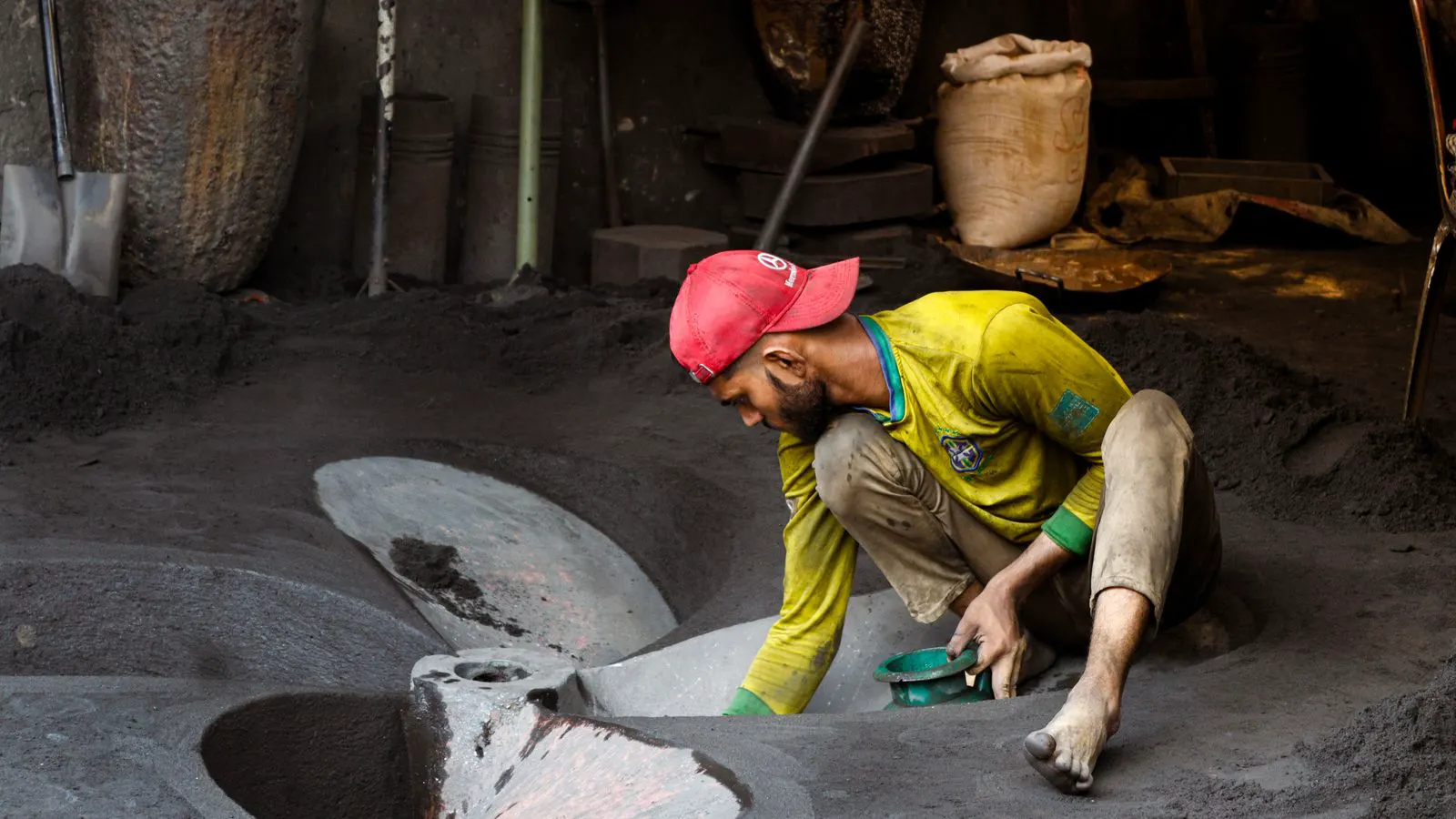
Casting rework is not a single operation. It is a collection of corrective steps taken after the initial pour. The most common form is grinding. Investment castings often have a fine scale or porosity on their surface. Grinders remove this skin to reveal the clean metal underneath. When the core is slightly misaligned, the excess metal may need to be machined away. In cases where a small core is missing or a gating feature is damaged, the foundry may apply a patch of compatible metal and re-finish the area.
These steps consume time, labor, and equipment. They also consume material. When a foundry grinds a part, the metal chips are removed. That metal is gone. If a part is rejected during inspection and sent back to the melting pot, the entire mass of the part becomes scrap. Understanding how these two paths interact is the first step in evaluating a supplier.
What is the difference between rework and scrap?
The terms are often used loosely in purchasing conversations, but they describe different outcomes. Rework is corrective. The part remains usable. The goal is to bring it within specification. Scrap is final. The part fails to meet minimum requirements and is removed from the production chain.
A part with a surface roughness of ten microns may need light grinding. That is rework. A part with a void that violates the stress requirements of an engine block may be rejected. That is scrap. The distinction matters because rework costs are usually variable, depending on the extent of the correction. Scrap costs are fixed by the material value and the energy required to melt it down again.
In a foundry, these two categories feed into different financial accounts. Rwork labor is often tracked by the hour or by the number of operations per part. Scrap is tracked by weight and material type. Nickel-based alloys, for example, carry a much higher scrap value than gray iron. A foundry that produces high-alloy parts has a different economic pressure to minimize scrap than one producing low-alloy structural components.
How scrap rate impacts total cost of ownership
The scrap rate is a percentage of the total material input that does not become a saleable part. It is not just a waste metric. It is a direct cost driver. When a foundry buys a ton of nickel alloy, that ton becomes multiple castings. If the scrap rate is high, the number of saleable castings drops. The cost per casting rises to cover the material that was lost.
This is the core of foundry economics. The foundry must price the part high enough to cover the cost of the metal that actually ships, plus the metal that was lost. If the buyer does not account for this, a low bid may be misleading. A foundry with a tight process may have a higher base price but a lower effective scrap rate. A foundry with a loose process may offer a lower base price but embed a higher scrap cost into the unit price.
Buyers should think about total cost of ownership, not just the unit price on the invoice. Total cost includes the cost of the part, the cost of rework, and the cost of scrap. If a foundry has a high rework rate, the part may arrive late or require additional machining at the buyer’s facility. If the scrap rate is high, the foundry may raise prices over time to compensate for losses. Both scenarios affect the long-term relationship.
Where rework costs accumulate in the process
Rework does not happen in one place. It happens at several points in the production cycle. The first point is mold preparation. If the core is not seated correctly, the pour will be uneven. The part may be too thick in one area and too thin in another. Grinding to fix this can be labor intensive.
The second point is the pour itself. Gas entrapment can create small holes in the casting. These holes may be visible on the surface or hidden inside. If they are surface-level, they can be ground out. If they are internal, the part may be rejected. The foundry must decide if the part is worth saving. In high-value applications, a foundry may spend significant time on repair. In low-value applications, the part is scrapped.
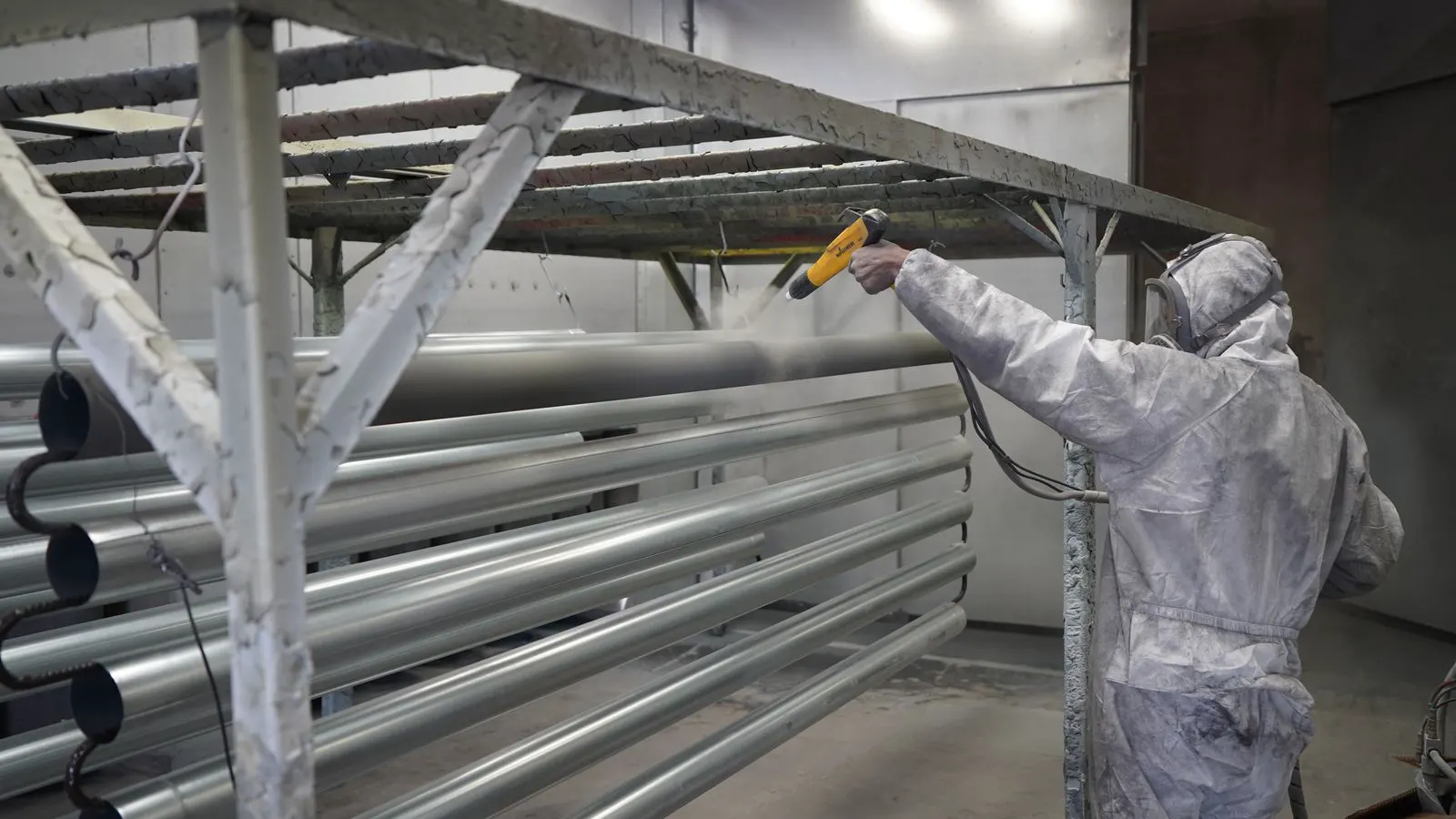
The third point is post-pour finishing. Investment castings often have a scale formed during solidification. This scale must be removed. The method varies. Shot blasting is common. Grinding is used for precision areas. Electrolytic descaling is used for some alloy systems. Each method has a cost. If the scale is thick, the rework time increases. If the scale is thin, the process is faster.
How to verify rework and scrap practices
Asking for a scrap rate is not enough. A foundry may provide a number without context. A better approach is to ask for a defect classification. This is a list of the reasons parts are rejected or reworked. The list might include core misalignment, porosity, inclusions, or dimensional drift.
When you see this list, you can see where the value is being lost. If porosity is the top defect, the foundry may need to improve its vacuum or pressure application. If core misalignment is the top issue, the foundry may need to improve its core setup. Knowing the cause helps you understand the root of the cost.
You should also ask about the rework capacity. A foundry may have excellent scrap rates but a limited rework bench. If a part needs grinding and the bench is busy, the part sits. This delays shipment. For a buyer with a tight schedule, this delay is a cost. It is a cost of inventory. It is a cost of production downtime. It is a cost of risk.
A worked example of rework and scrap costs
Imagine a foundry produces a batch of small valve bodies. The material is a nickel-based alloy. The first pour produces one hundred parts. During inspection, ten parts have small surface voids. These voids are within the acceptable size limit for the application. The foundry sends these ten parts to the grinding bench. The grinder removes the voids and finishes the surface. The parts pass. This is rework. The cost is the labor time and the small amount of metal removed.
Next, five parts have a core that is slightly off. The valve bore is too small. The foundry cannot expand the bore without weakening the wall. These five parts are rejected. They are sent to the melting pot. This is scrap. The cost is the full value of the metal in those five parts.
The foundry now has eighty-five saleable parts. The cost of the metal for the original one hundred parts was a fixed amount. The cost of the ten reworked parts includes the labor to fix them. The cost of the five scrapped parts is the material that was lost. When the foundry calculates the price per part, it must cover the metal for all one hundred, the labor for the ten, and the loss of the five.
If the foundry can reduce the core misalignment, the scrap count drops. If the foundry can reduce the surface voids, the rework labor drops. Both improvements lower the cost per part. This is why process control matters. It is not just about quality. It is about economics.
How sourcing decisions change with this knowledge
When you source a foundry, you are not just buying a part. You are buying a process. The process includes the pour, the inspection, the rework, and the scrap management. A foundry with a stable process will have predictable rework times and stable scrap rates. A foundry with an unstable process will have variable rework times and high scrap rates.
The stable foundry may have a higher base price. That is because they have invested in process control. They have better molds. They have better vacuum systems. They have better inspection tools. These investments lower the cost of rework and scrap. The stable foundry is not just more expensive. They are more efficient.
The unstable foundry may have a lower base price. That is because they have not invested in process control. They rely on rework to fix issues. They rely on re-melting to cover losses. Their price may look attractive on the first quote. But over time, the rework delays and the scrap losses will add up. The total cost of ownership will be higher.
Buyers should ask for a defect classification. They should ask for the scrap rate by material type. They should ask about the rework capacity. They should ask about the lead time variability. These questions reveal the internal mechanics of the foundry. They reveal the real cost of the part.
Final thoughts on cost structure
Casting rework and scrap are not hidden costs. They are the core of foundry economics. They determine the price of the part. They determine the delivery date. They determine the quality of the part. They determine the reliability of the supplier.
Understanding these mechanics allows you to make a better sourcing decision. You can compare foundries not just on price, but on process. You can ask for the data that proves the process works. You can set requirements that force the foundry to control their costs. You can build a relationship based on shared understanding.
The part you buy is only the beginning. The cost you pay is the end result. By understanding rework and scrap, you can see the whole picture. You can make a decision that saves money over the life of the part. You can choose a supplier that delivers value, not just metal.
Frequently asked questions
What is the most common cause of casting rework?
Surface roughness and scale are the most common causes. Grinders remove the scale to reveal the clean metal. This is the standard first step in finishing investment castings.
How does scrap rate affect the price of a casting?
A high scrap rate increases the cost per part. The foundry must cover the material lost in rejected parts. This cost is embedded in the unit price.
Can a foundry reduce scrap rate?
Yes. Improving core alignment, vacuum application, and mold preparation reduces defects. Lower defect rates lead to fewer rejected parts and lower scrap costs.
Is rework always a cost?
Rework is a cost of labor and material removal. However, it is often cheaper than rejecting a part. A small rework step can save a valuable part from scrap.
How should I verify a foundry's rework practices?
Ask for a defect classification. This list shows the top reasons for rework and scrap. It reveals where the cost is driven in the production cycle.