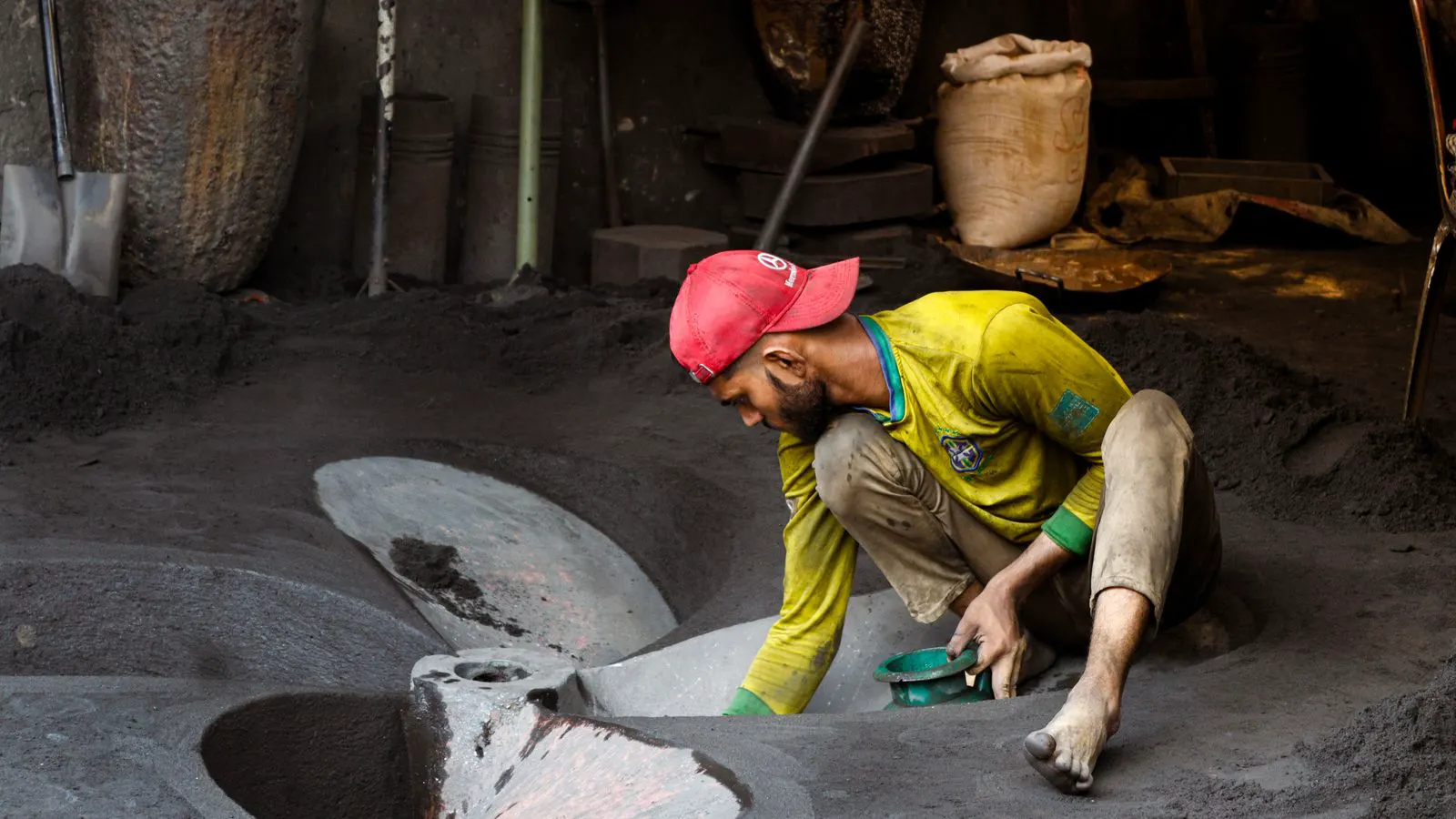
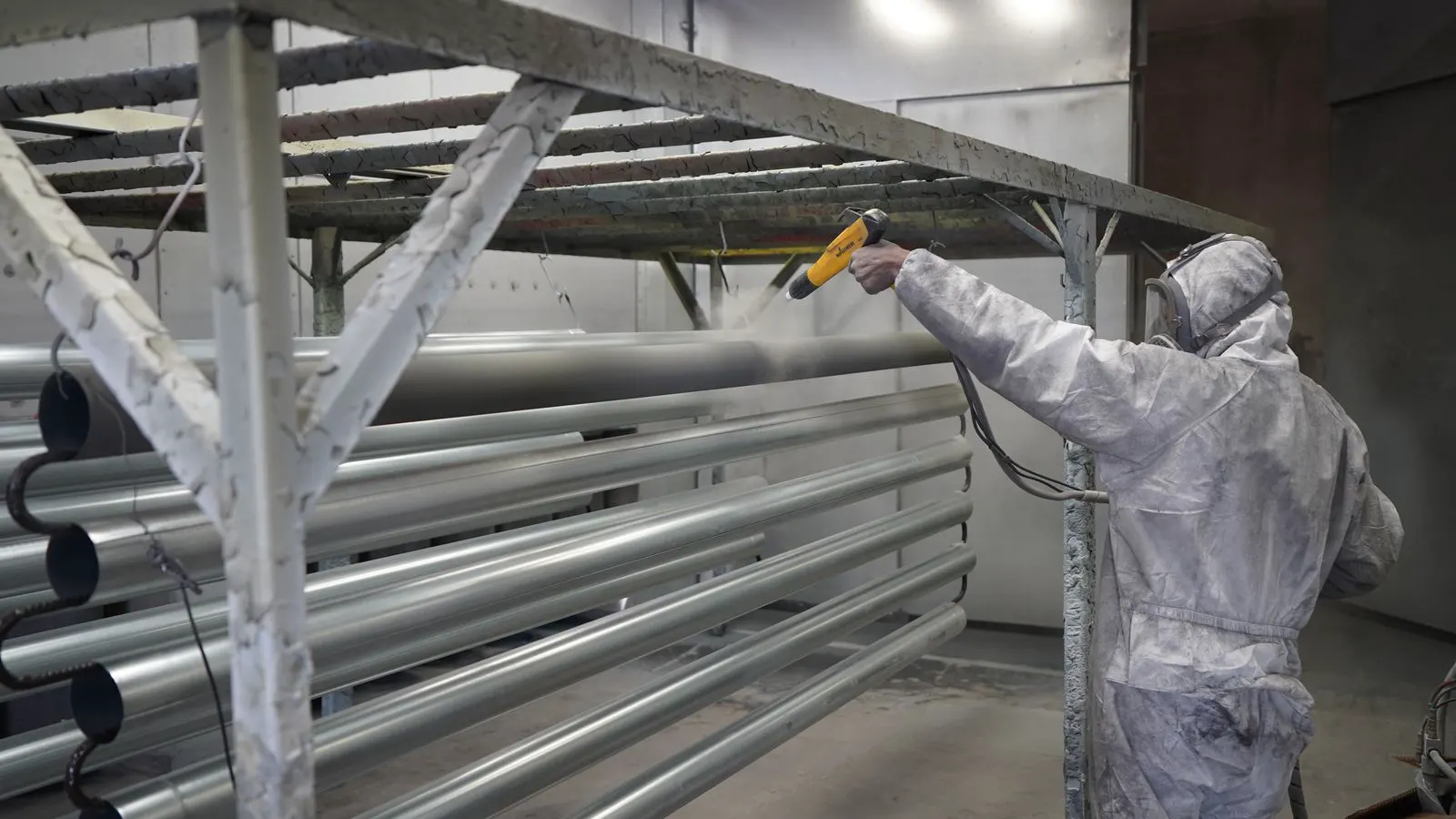
Comparison: In-House vs Outourced Investment Casting
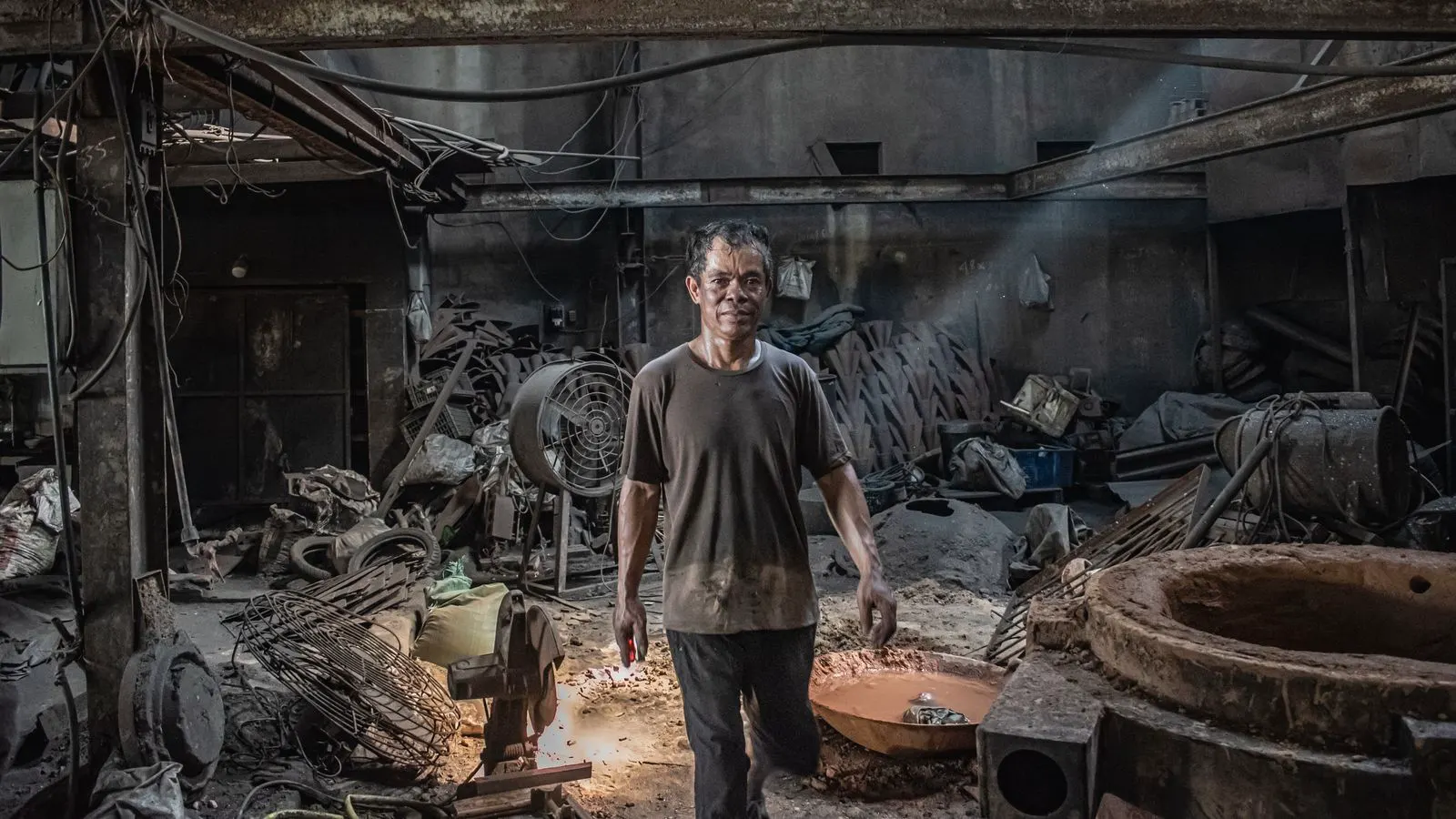
Choose in-house production for high-volume, confidential parts with stable demand. Select outsourced casting when volume fluctuates, materials vary, or capital investment is restricted. The decision depends on part complexity, volume, and total cost.
- In-house production works best when volume is high and stable, and parts are critical to the final product.
- Outsourced casting reduces fixed costs and allows access to multiple materials and alloys.
- Total cost includes labor, tooling, quality inspection, and waste, not just the unit price.
- A hybrid model often works when a base level of volume is in-house and peak demand is outsourced.
- Vendor selection must include capacity checks, lead time verification, and tolerance capability.
When In-House Production Makes Sense
In-house investment casting fits when a company needs predictable output and direct control over quality. This approach suits manufacturers with steady demand, such as those producing aerospace brackets, medical implants, or industrial valve bodies. The facility owns the core making, shell forming, pouring, and finishing lines.
The main advantage is speed. A part that moves from design to first article in two weeks at a vendor may take six weeks inside a plant if the team is already set up. The second advantage is control. The plant can adjust process parameters immediately when a customer reports a defect.
The downside is fixed cost. A foundry needs kilns, core boxes, molds, and skilled labor regardless of order volume. If demand drops, the plant still pays for the equipment. This creates financial pressure during slow seasons.
In-house production also requires a full quality team. The facility must manage incoming material checks, dimensional tolerance consistency, and final inspection. If the plant lacks ISO certification or proper audit trails, customers may reject the parts.
The Case for Outsourced Casting
Outsourced casting suits companies that do not want to carry the cost of full production. This model works for startups, prototype shops, and manufacturers with variable demand. The foundry handles the entire process, from pattern making to finishing.
The primary benefit is flexibility. A customer can order ten pieces or ten thousand without changing its production capacity. The foundry absorbs the fixed costs and spreads them across multiple clients.
The second benefit is material access. A foundry may stock several alloys, including stainless steel, nickel-based superalloys, and tool steel. A customer that only needs one alloy can still source parts without buying its own furnace and melt shop.
The main risk is supply chain control. The customer depends on the vendor’s schedule, quality systems, and communication. If the vendor is late, the customer’s assembly line stops. If the vendor has a quality issue, the customer may receive rework or scrap.
Cost Analysis: Fixed Costs vs Unit Price
A fair comparison requires looking at total cost, not just the price per kilogram of cast material. In-house production has high fixed costs but lower variable costs per part. Outsourced casting has low fixed costs but higher unit prices.
The fixed costs of in-house production include:
- Equipment purchase and maintenance
- Facility space and utilities
- Core making and shell forming labor
- Furnace and pouring equipment
- Quality inspection and testing
- Tooling and pattern making
The variable costs of outsourced casting include:
- Material cost per kilogram
- Labor cost per part
- Tooling amortization
- Quality inspection fees
- Shipping and logistics
- Minimum order charges
A company should calculate the break-even point. This is the production volume where the total cost of in-house production equals the total cost of outsourcing. Below this point, outsourcing is usually cheaper. Above it, in-house production often becomes more economical.
The break-even point depends on part size, material, and complexity. A small stainless steel fitting may break even at a lower volume than a large nickel superalloy turbine blade. The customer should model both scenarios before deciding.
Foundry Selection for Outsourced Casting
Choosing an outsourced foundry is not a simple price comparison. A procurement manager must evaluate the vendor’s capacity, quality systems, and communication.
The first check is capacity and lead time. The vendor must confirm that it can meet the required delivery date. The customer should ask for a written confirmation of lead time and capacity. A verbal promise is not enough.
The second check is quality certification. The vendor should hold ISO certification appropriate to the industry. Aerospace customers often require AS9100. Medical customers may require ISO 13485. The certification level must match the part’s criticality.
The third check is dimensional tolerance capability. The vendor should show examples of past work with similar tolerances. The customer should request a sample part before full production.
The fourth check is communication. The vendor should provide regular updates during production. A good foundry will send photos at key stages and confirm any deviations before shipment.
Hybrid Approach: Splitting Production
Many companies use a hybrid model. They keep a base level of production in-house and outsource peak demand. This approach reduces financial risk and maintains control over critical parts.
The in-house facility handles the parts that are most sensitive to quality, such as safety-critical components or high-tolerance fittings. The outsourced foundry handles the higher-volume, lower-criticality parts.
This model works when the in-house team can manage a small production line without over-investing. The customer keeps the core making and shell forming for the critical parts, but outsources the pouring and finishing for the rest.
The hybrid approach also provides a safety net. If the in-house facility has a quality issue, the outsourced foundry can take over. If the outsourced vendor is delayed, the in-house line can cover the gap.
When to Outsource Even With High Volume
High volume does not always justify in-house production. A company should consider outsourcing if:
- The part mix changes frequently, requiring new tooling often.
- The customer needs multiple alloys, and the in-house facility would need multiple furnaces.
- The demand is seasonal, and the in-house line would sit idle for months.
- The customer lacks the skilled labor to run a foundry.
- The customer wants to focus on design and assembly, not casting.
In these cases, the cost of in-house production may exceed the savings from avoiding the vendor’s unit price. The customer should run a detailed cost analysis before committing to capital investment.
When to Move Production In-House
A company should move production in-house when:
- Volume is stable and high enough to justify the equipment.
- The part is critical to the customer’s brand or safety.
- The customer needs to control the process parameters tightly.
- The customer wants to reduce supply chain risk.
- The customer has the technical staff to manage the foundry.
Moving in-house is a major decision. The customer should audit the foundry capability before building. If the internal team cannot match the vendor’s tolerance consistency, the in-house parts may fail customer acceptance.
Final Comparison Table
| Option | Best for | Limitations |
|---|---|---|
| In-House Production | High-volume, stable demand, critical parts | High fixed costs, requires skilled labor, limited material range |
| Outsourced Casting | Variable volume, multiple alloys, low fixed cost | Less control, supply chain risk, higher unit price |
| Hybrid Model | Mixed criticality, seasonal demand, safety net | Requires coordination, two quality systems, complex scheduling |
The table summarizes the trade-offs. The customer should choose based on its specific part mix, volume, and risk tolerance. There is no single best answer.
Practical Next Steps
A procurement manager should start by listing all parts and their volumes. Then, group the parts by criticality and material. Calculate the total cost for each group under both in-house and outsourced models.
The customer should request quotes from at least three foundries for the outsourced option. Ask each vendor for a written lead time and capacity confirmation. Review their ISO certification and tolerance capability.
For the in-house option, estimate the equipment cost, labor cost, and quality cost. Add the tooling cost and the cost of the pattern making team. Compare this total against the outsourced cost.
The customer should also consider the risk of moving in-house. If the internal team fails to meet tolerance, the customer may lose the customer’s trust. The break-even point is not the only factor. The quality risk must be weighed.
A final step is to define the quality requirements. The customer should provide a written quality plan that includes inspection points, acceptance criteria, and rework procedures. This plan should apply to both in-house and outsourced production.
The decision is not just financial. It is a strategic choice about control, risk, and growth. The customer should make the decision based on its own production needs, not on industry trends.
Frequently asked questions
Can a small startup justify in-house investment casting?
Usually not. The fixed costs of equipment and labor are high. A startup should outsource until volume is high enough to cover those costs.
How do I verify a foundry’s lead time?
Ask for a written confirmation of lead time and capacity. Check the vendor's past delivery performance and request references from similar customers.
Is outsourced casting always cheaper?
No. At high volume, in-house production can be cheaper per unit. The break-even point depends on part size, material, and complexity.
What quality certification should I require?
It depends on the industry. Aerospace parts often require AS9100. Medical parts may require ISO 13485. The certification level should match the part's criticality.
Can I outsource some parts and keep others in-house?
Yes. A hybrid model is common. Keep critical parts in-house and outsource higher-volume, lower-criticality parts. This reduces risk and cost.