Checklist: Assessing Foundry Communication Skills
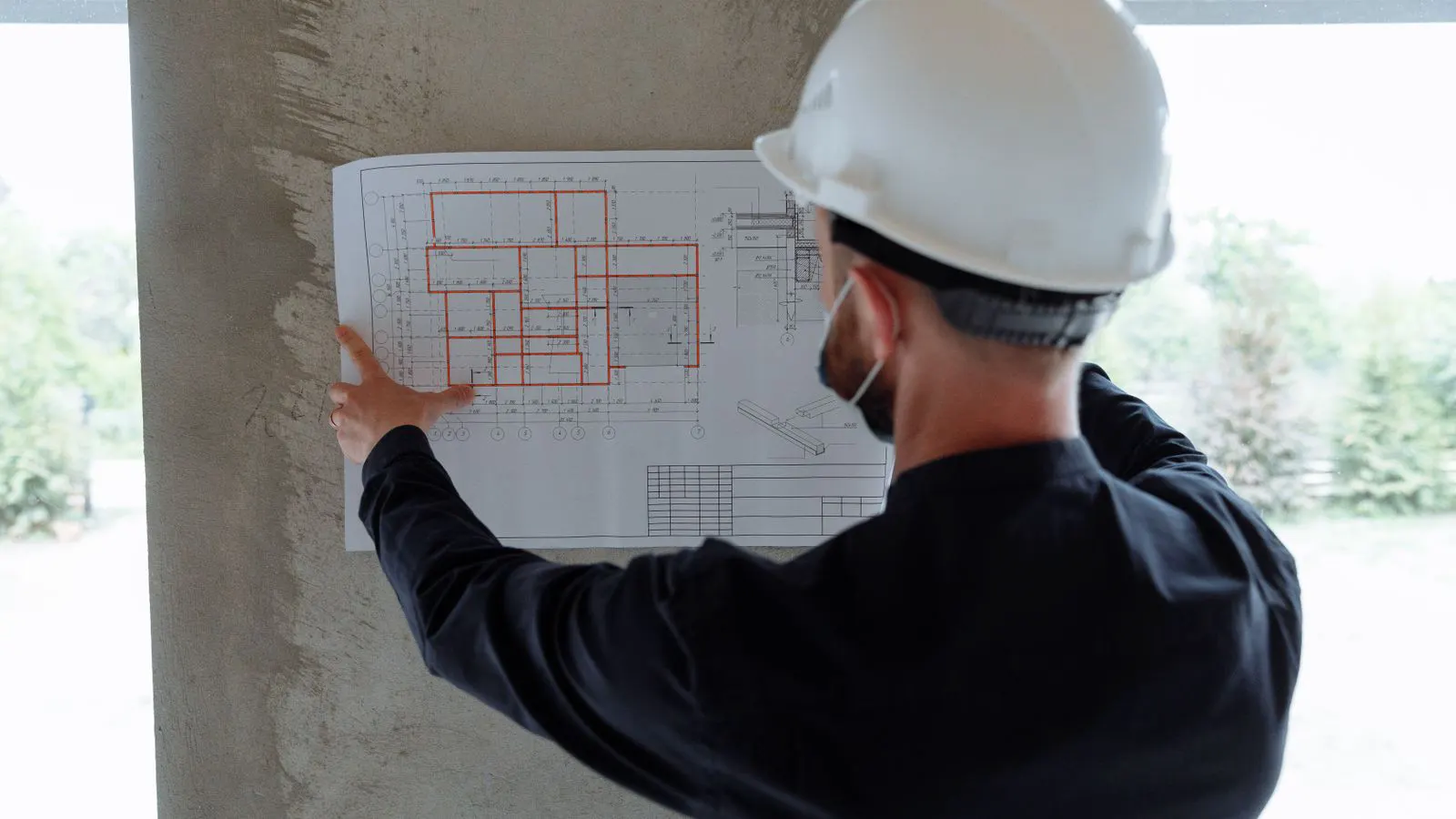
Assess foundry communication by testing response speed, technical clarity, and documentation habits. This checklist provides specific questions and red flags to evaluate investment casting suppliers before awarding work.
- Test response speed with timed inquiries to measure real-time operational readiness
- Require technical clarity by asking specific questions about material selection and process control
- Verify documentation habits by requesting samples of reports and quality records
- Watch for red flags like vague answers, no written confirmation, or refusal to provide quality data
- Use structured follow-up questions to test consistency and accountability in communication
Why communication quality predicts casting outcomes
Foundry communication determines how well technical requirements translate into finished parts. A supplier that answers slowly or vaguely at the drawing stage will likely struggle with tolerances, material selection, and defect resolution during production. Investment casting is a process where the first few days of pre-production communication often dictate the final quality of the part. If the technical team cannot explain how a 25mm section solidifies or how they verify mold temperature, that knowledge gap will surface as porosity, dimensional drift, or rejected lots.
The following checklist separates capability from noise. Each item includes what to ask and the response patterns that indicate a capable investment casting partner. The goal is to move beyond marketing language and assess whether the foundry operates with the discipline required to hold tight tolerances and manage material traceability.
Response speed and operational readiness
Speed signals whether the foundry has structured communication channels or relies on ad hoc email chains. A foundry with a dedicated technical department answers routine questions quickly because they have standard protocols. A foundry that uses a general sales inbox for all technical queries often suffers from delays as questions are passed between departments.
- Send a drawing inquiry with a specific question about gate design. Ask how they design the gate for a part with asymmetric wall thicknesses to ensure balanced filling.
- Send a second inquiry about lead time for a small batch. Specify the tooling status and ask for a breakdown of the timeline.
- Send a third inquiry requesting a sample of their material test reports. Ask for a PDF copy that shows the chemical composition and mechanical properties for a specific alloy.
Measure response time for each. A capable foundry responds within a standard business day, often within hours for routine questions. If responses take multiple days without explanation, the supplier may be understaffed or lacks a dedicated technical contact. You should also evaluate the content of the response. A single sentence saying “we can do that” is a poor indicator of capability. A capable foundry will ask clarifying questions or provide a detailed explanation of their approach.
Response quality matters more than raw speed. Fast but generic replies indicate a sales team handling technical questions without engineering support. If the first contact is a sales representative who cannot answer basic process questions, you have to rely on them to interpret your technical needs. This adds a layer of risk. Ask to be put in touch with the production engineer or the metallurgist who will actually make the parts.
Technical depth in answers
Test how the foundry handles material and process questions. Vague answers here predict problems during production. The investment casting process is highly sensitive to material behavior and thermal management. If the foundry cannot explain the “why” behind their process choices, they are likely following a generic playbook rather than applying engineering judgment to your specific part.
Ask about material selection: “For a 25mm thick section in this part, which alloy would you specify and why?” A competent foundry provides a specific alloy name and explains the reasoning, such as solidification behavior, corrosion resistance, or machinability. They may mention thermal gradient control or shrinkage compensation. For example, if you are casting a ductile iron part with a thick boss, they should discuss the risk of coarse grain structure and how they manage the cooling rate. If they simply say “we use the standard alloy for that type,” it suggests a lack of metallurgical depth.
Ask about process control: “How do you verify mold temperature consistency before production?” Look for answers that reference specific practices, such as thermocouple placement, batch testing, or documented temperature windows. A red flag is a general statement about “quality control” without naming the method. In investment casting, mold temperature directly affects the surface finish and the ability of the binder to withstand the pour. A capable foundry will mention that they use a specific range of temperatures and how they calibrate their ovens or furnaces to maintain that range.
Ask about tolerance capability: “What is your typical dimensional deviation for a 100mm feature?” A credible foundry provides a range based on their actual capability, not a catalog number. They may explain how wall thickness, gating, and material affect accuracy. If they claim a deviation of 0.05mm, ask how they achieve it. Do they use tighter tolerances in the mold making process? Do they use a specific type of investment? If they cannot explain the method, the number is likely a sales pitch rather than a technical guarantee.
Documentation and quality records
Foundry communication includes how they share information. Request samples of their quality documentation before awarding work. Documentation is the paper trail that protects both parties. It proves that the material used was what you specified and that the part was manufactured according to the agreed-upon process. Without it, you are relying on their word, which is not enough for critical applications.
Ask for a sample first article inspection report. Check whether it includes measured values, pass/fail criteria, and operator signatures. A report that only states “parts passed inspection” without data is a red flag. You should be able to see the specific measurements taken, such as the outer diameter, the length of a specific feature, and the surface roughness if applicable. The report should also reference the drawing revision number to ensure the data is current.
Ask for a sample material test certificate. Verify it references the specific heat or lot number and includes chemical composition within specified ranges. If the foundry cannot provide samples, they may not maintain records or may not understand why documentation is required for traceability. In investment casting, traceability is critical because the quality of the part depends heavily on the quality of the metal. If the foundry uses a mixed lot of scrap or different heats of material in a single pour, you need to know. The test certificate should show the heat number and the chemical analysis results for carbon, silicon, manganese, and other key elements.
Ask how they communicate nonconforming material. Request an example of a corrective action report. Look for the root cause, corrective action taken, and verification that the fix worked. This shows whether they document problems or simply discard bad material. A good foundry will have a process for identifying defects, such as porosity or misruns, and a documented procedure for investigating why they occurred. They should be able to show you how they prevent the issue from happening again.
How they handle changes and exceptions
Investment casting projects change. Drawings get revised, material specs shift, and tolerances tighten. Test how the foundry responds to controlled changes. The ability to manage change is a key indicator of a mature foundry. A foundry that resists change or handles it reactively will likely cause delays and quality issues when your project evolves.
After initial discussions, send a drawing revision with a 2mm dimension change. Ask: “How does this affect gating, pouring temperature, and lead time?” A capable foundry breaks down the impact. They may explain that the change requires mold rework, affects solidification time, or requires a revised process parameter. For example, if you increase the wall thickness by 2mm, the foundry should explain how this changes the cooling rate and whether it requires a different gate design to prevent hot spots or incomplete filling.
Ask about exception handling: “If a batch shows porosity above your internal limit, what is your process?” Listen for a defined workflow. A good foundry describes containment, root cause investigation, and customer notification. They may reference rework procedures or scrap criteria. They should be able to tell you how they isolate the affected batch, what they do to investigate the cause, and how they notify you if the defect exceeds your acceptance criteria. This level of detail shows that they have a systematic approach to quality management.
Red flags include: “We will figure it out,” “That depends on the situation,” or “We have always handled it that way.” These answers suggest reactive rather than systematic problem solving. A capable foundry has a process for handling changes and exceptions. They do not rely on ad hoc decisions or personal experience alone. They have documented procedures that guide their actions and ensure consistency across different projects and teams.
Accountability and escalation paths
Clear communication requires clear ownership. Determine who handles technical questions, who approves changes, and who reports problems. Without clear ownership, questions get lost and problems get ignored. You need to know exactly who to contact for each type of issue and what their role is in the process.
Ask: “Who is my technical contact, and who do I escalate to if a production issue arises?” A capable foundry names specific roles. They may reference a production engineer, quality manager, or operations supervisor. If the answer is “our team” without names, escalation will be slow. You should also ask about their response time for each role. For example, how quickly does the quality manager respond to a nonconformance report? How quickly does the production engineer respond to a process change request?
Request a written communication protocol. This should define response times for different inquiry types, how drawing changes are confirmed, and how quality exceptions are reported. If the foundry cannot provide this, they may not have standardized processes. A written protocol provides a clear reference point for both parties. It reduces the risk of miscommunication and ensures that everyone is working from the same set of expectations.
Ask about their change control process. How do they confirm a drawing revision is understood? Do they return a signed revision, or do they simply acknowledge receipt? Written confirmation prevents scope creep and miscommunication. In investment casting, a small change in the drawing can have a significant impact on the process. If the foundry does not confirm the change in writing, you risk receiving parts that do not match your current design.
Response patterns and red flags
The table below summarizes common response patterns and what they indicate about foundry communication quality. Use this table as a quick reference when evaluating foundries. It helps you identify the key indicators of capability and the red flags that suggest potential problems.
| Response Pattern | What It Indicates | Recommended Action |
|---|---|---|
| Fast, specific answers with names and numbers | Structured technical team with documented processes | Proceed to capability validation |
| Slow responses with generic language | Understaffed or sales-driven operation | Request dedicated technical contact |
| Answers without data or examples | Lack of quality documentation or traceability | Request sample reports before awarding |
| “We will figure it out” for changes | Reactive problem solving, no defined workflow | Require change control protocol |
| No written confirmation of revisions | High risk of production based on wrong data | Require signed drawing confirmation |
| Refusal to provide sample quality records | Lack of transparency or possible record-keeping issues | Do not award work until resolved |
Structured follow-up questions
After initial screening, test consistency with follow-up questions. Send the same type of inquiry in different formats and at different times. This helps you assess whether the foundry has a standardized approach to communication or whether they rely on ad hoc responses.
Ask about lead time again, but this time request a breakdown: tooling, mold making, pouring, post-processing. A capable foundry provides a realistic sequence. If they provide a single number without breakdown, they may be guessing. A breakdown of the lead time helps you understand where the time is being spent and where there may be opportunities for improvement. It also helps you plan your production schedule and inventory.
Ask about defect rates, but phrase it specifically: “What is your typical rejection rate for porosity in sections this thick?” A good foundry provides a range and explains factors that affect it. They may mention material purity, mold quality, or pouring technique. This level of detail shows that they understand the process and can control the variables that affect quality. It also gives you a baseline for evaluating their performance over time.
Ask about their communication cadence during production. How often do they provide status updates? Do they send photos of first articles? Do they notify you before shipping? These details reveal whether they treat production as a collaborative process or a black box. A capable foundry keeps you informed throughout the production process. They provide regular updates and share relevant information, such as photos of the first articles or test results. This level of communication builds trust and ensures that any issues are addressed early.
Final verification steps
Before awarding work, run a small test order. Use it to validate communication in practice. A test order is a low-risk way to assess a foundry’s capability and communication skills. It allows you to see how they handle a real project and whether their communication matches their promises.
Send a drawing with deliberate ambiguity, such as a missing tolerance. A capable foundry asks clarifying questions before production. They do not assume. They contact you to resolve the gap. This is a critical step because it shows whether they are proactive in identifying and resolving issues. A capable foundry will not try to guess your intentions. They will ask for clarification and ensure that they have the correct information before proceeding.
Request a first article report with measurements. Compare their reported values to your actual measurements. Discrepancies indicate measurement errors or reporting issues. A capable foundry will provide accurate and detailed first article reports. They will measure the parts using the correct methods and report the results with sufficient precision. If there are discrepancies, you should discuss them with the foundry to understand the cause and how they will prevent it in the future.
Evaluate the entire process. Did they confirm the drawing in writing? Did they respond to your test order questions on time? Did they provide the quality documentation you requested? Use these observations as your final supplier evaluation input. The test order is your final opportunity to assess the foundry’s communication and capability. Use it to make an informed decision and to build a long-term relationship with a capable investment casting partner.
Frequently asked questions
How do I test a foundry's responsiveness without spending too much time?
Send three timed inquiries covering drawing questions, lead times, and quality documentation. Measure response time and quality. Cap the test at one week to limit your effort.
What is the minimum documentation I should require from a foundry?
Require a signed drawing confirmation, a first article inspection report with measurements, and a material test certificate for each production lot. These three documents cover traceability and quality verification.
How do I know if a foundry's technical answers are credible?
Look for specific alloy names, process parameters, and measurable ranges. If answers remain general without data or examples, request sample quality records before proceeding.
Should I use a written communication protocol with a new foundry?
Yes. A written protocol defines response times, change control, and escalation paths. It reduces miscommunication and creates a reference point when issues arise during production.
What if a foundry refuses to provide sample quality reports?
Treat this as a red flag. It suggests they do not maintain records or do not understand traceability requirements. Do not award work until they explain their documentation process and provide examples.