Lost Wax vs Sand: Choosing the Right Casting Process for Complex Parts
Choosing between lost wax and sand casting depends on part geometry, production volume, and budget. Lost wax offers superior surface finish and detail, while sand casting delivers lower cost and higher volume capability. Evaluate these factors to select the right process for your project.
- Lost wax casting excels at complex geometry and fine detail but requires higher tooling and labor costs.
- Sand casting is more economical for medium to large production runs and handles larger cross-sections efficiently.
- Surface finish requirements are a decisive factor, as investment casting typically yields smoother surfaces than sand casting.
- Production volume influences the total cost of ownership, with sand casting often becoming more cost-effective at scale.
- Material selection must align with process capabilities, as some alloys are better suited to specific casting methods.
Selecting the correct casting method for complex parts requires a careful balance between engineering requirements and economic realities. The two most common approaches for producing intricate metal components are lost wax investment casting and sand casting. Each method has distinct strengths and limitations that dictate its suitability for different applications. Understanding these differences is essential for optimizing part quality, reducing production costs, and meeting project timelines.
What Defines Lost Wax Casting?
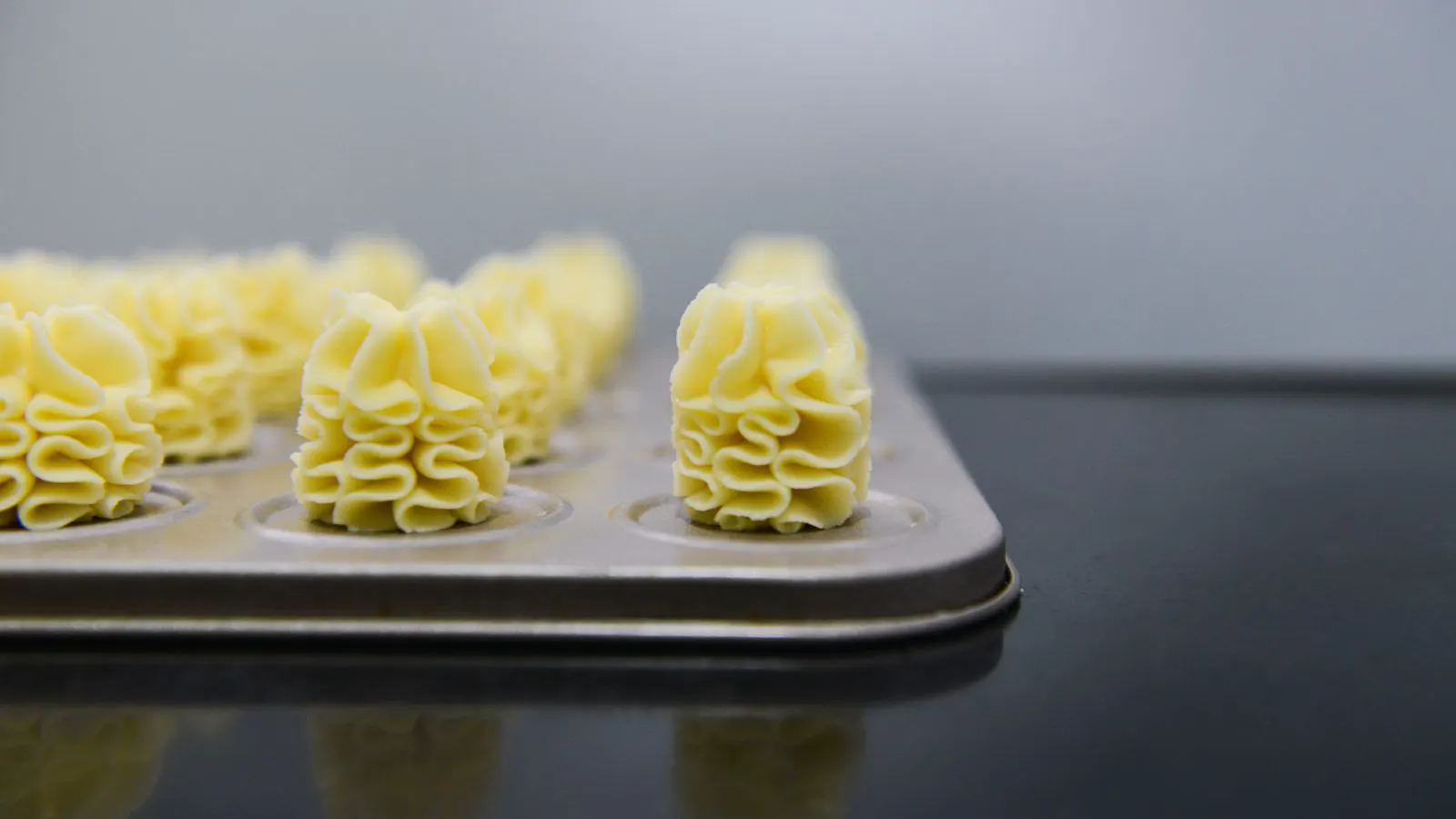
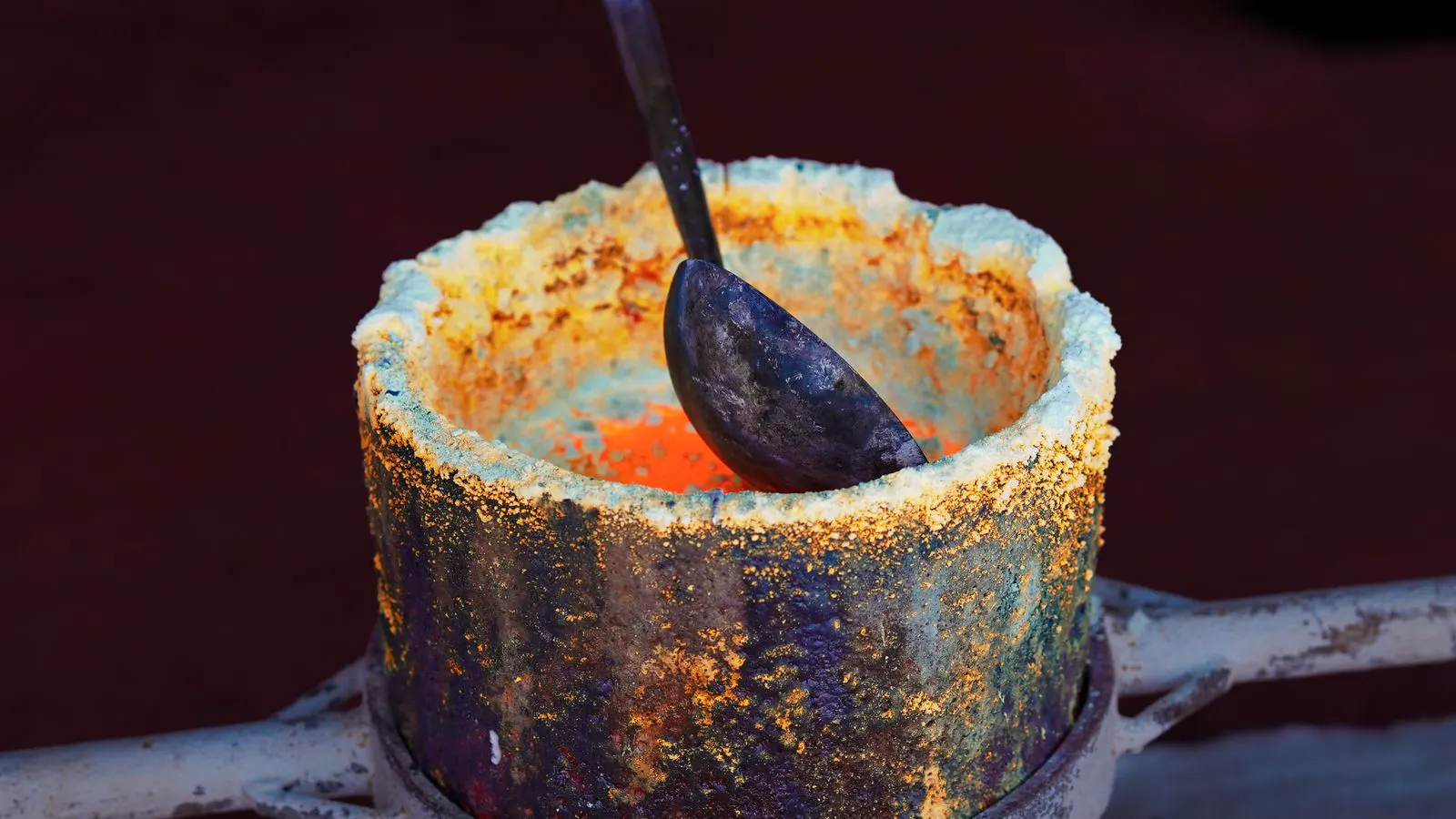
Lost wax casting, also known as investment casting, is an ancient process that remains highly relevant in modern manufacturing. The method begins with the creation of a wax pattern that accurately represents the final part. This pattern is coated with a refractory material, often a ceramic slurry, and baked to remove the wax completely. Melted metal is then poured into the resulting mold cavity. Once the metal solidifies, the mold is broken away to reveal the finished component.
The process is highly adaptable to various materials, including steels, aluminum alloys, titanium, and superalloys. Its primary advantage lies in its ability to reproduce complex internal geometries, thin walls, and fine surface details. Because the mold is formed directly around the wax pattern, there is less constraint regarding part shape compared to other methods. This makes it the preferred choice for applications where precision and aesthetics are critical, such as medical devices, aerospace components, and high-end consumer goods.
However, the process is labor-intensive and time-consuming. Each part requires a wax pattern, and the investment coating must be applied and dried carefully. The cycle time per part is longer than in many other casting methods, which can impact throughput. Additionally, the tooling required to create the wax patterns, whether through CNC machining or 3D printing, adds to the initial investment. Despite these costs, the quality of the finished part often justifies the expense for specialized applications.
How Does Sand Casting Work?
Sand casting is one of the oldest and most widely used metal casting processes. It involves creating a mold using a mixture of sand, clay, and binder. The mold is typically formed in two halves, a pattern is placed inside, and the sand is packed around it to capture the part’s shape. Once the pattern is removed, the mold is baked, and molten metal is poured in. After solidification, the sand is broken away to release the part.
The process is highly flexible and can be used for a wide range of metals, including iron, steel, and various non-ferrous alloys. It is capable of producing parts with a broader range of sizes and shapes compared to some other methods. The cost of sand is low, and molds can be produced relatively quickly, making it an attractive option for both low-volume and high-volume production.
The main limitation of sand casting is its surface finish. The sand mold creates a rougher surface texture than investment casting, which often requires additional machining or finishing operations to meet tight tolerances. This extra processing can increase the total cost of the part. Additionally, the maximum size of the part and the level of detail achievable are constrained by the properties of the sand and the molding process. For very fine details or complex internal passages, sand casting may not be the optimal choice.
Key Differences in Geometry and Detail
When comparing lost wax vs sand casting, the ability to handle complex geometry is a primary differentiator. Investment casting can produce parts with intricate internal structures, such as channels, cavities, and thin walls, with high fidelity. The wax pattern can be designed to include these features without significant difficulty. This is particularly important in applications like fuel nozzles, turbine blades, and complex pump housings where internal flow paths are critical.
Sand casting, while capable of producing moderately complex shapes, faces challenges with very fine details and thin sections. The sand must support itself during the pouring process, which limits how thin walls can be and how small features can be reproduced. For parts with high aspect ratios or complex internal geometries, sand casting may require additional reinforcements or may not be feasible at all. Engineers must carefully evaluate the part’s geometry to determine if it falls within the capabilities of sand casting.
Surface Finish and Tolerance Requirements
Surface finish is another critical factor in the lost wax vs sand decision. Investment casting typically yields a smoother surface finish with tighter dimensional tolerances out of the mold. This reduces the need for secondary operations such as machining, grinding, or polishing. For parts where the as-cast surface is sufficient for the application, this can significantly reduce production costs and lead times.
Sand casting generally produces a rougher surface finish with larger dimensional tolerances. While this is acceptable for many applications, it may not be suitable for parts that require a high degree of surface quality or tight tolerances. In such cases, the additional cost of machining can erode the economic advantage of sand casting. Therefore, the required surface finish and tolerance specifications should be a key input in the process selection decision.
Cost Considerations: Tooling, Volume, and Labor
Economic analysis is crucial when choosing between these two processes. Lost wax casting typically has higher tooling costs due to the need for wax pattern manufacturing and investment coating equipment. The labor intensity of the process also contributes to higher per-unit costs, especially at low production volumes. However, for small batches or highly complex parts, the cost per part may be lower than that of alternative methods that cannot produce the part at all.
Sand casting benefits from lower tooling costs and higher production rates. The sand molds are inexpensive to produce, and the process is less labor-intensive. This makes it more cost-effective for medium to large production runs. As volume increases, the cost per part in sand casting decreases more rapidly than in investment casting. Therefore, the optimal choice often depends on the expected production quantity.
Material Selection and Process Compatibility
Not all materials are equally suitable for both lost wax and sand casting. Investment casting is particularly well-suited for high-performance alloys, such as stainless steels, superalloys, and titanium, which are often used in demanding applications. The process can maintain the integrity of these materials during casting, resulting in parts with superior mechanical properties.
Sand casting is also capable of casting a wide range of materials, including iron, steel, and non-ferrous alloys. However, some high-strength or high-temperature alloys may be more challenging to cast using sand due to the thermal and mechanical constraints of the sand mold. Engineers must ensure that the chosen material is compatible with the selected process to achieve the desired part performance.
Comparison Table: Lost Wax vs Sand Casting
| Option | Best for | Limitations |
|---|---|---|
| Lost Wax (Investment) Casting | Complex geometry, fine detail, high surface finish, small to medium batches, high-performance alloys | Higher tooling and labor costs, longer cycle times, limited to smaller part sizes |
| Sand Casting | Large production volumes, larger part sizes, cost-effective mid-range complexity, wide material range | Rougher surface finish, larger tolerances, difficulty with very fine details and thin walls |
| Centrifugal Sand Casting | Long, hollow parts with uniform wall thickness, high production volumes | Limited to specific geometries, requires specialized equipment |
| Shell Molding | High production volumes, complex parts with good surface finish | Higher tooling cost than green sand, limited to specific materials |
| 3D Printed Sand Molds | Prototyping, complex geometries, low volume production | Slower process, material costs, not suitable for high volume production |
When to Choose Lost Wax Casting
Lost wax casting is the preferred choice when part complexity, surface finish, and material performance are the top priorities. It is ideal for applications in aerospace, medical, and high-end industrial sectors where precision and quality are non-negotiable. If the part has intricate internal features, thin walls, or requires a smooth surface without extensive machining, investment casting is often the only viable option. It is also suitable for small to medium production batches where the higher per-unit cost can be justified by the quality and performance of the part.
When to Choose Sand Casting
Sand casting is the better choice when cost efficiency and production volume are the primary concerns. It is well-suited for large production runs, larger part sizes, and applications where a rougher surface finish is acceptable. If the part does not require extreme detail or tight tolerances, sand casting offers a cost-effective solution. It is also the go-to method for casting iron and other materials where the rough surface is not a disadvantage. For high-volume production, the lower per-unit cost and higher throughput of sand casting make it the economic winner.
Final Recommendation
The decision between lost wax vs sand casting is not one-size-fits-all. It requires a thorough analysis of the part’s geometry, material, production volume, and quality requirements. Engineers and buyers should evaluate these factors in conjunction with their budget and timeline. In many cases, a hybrid approach or a different casting method may be worth considering. By carefully comparing the technical and economic merits of each process, you can ensure that your complex part is manufactured efficiently and to the required standard.
Frequently asked questions
Is lost wax casting more expensive than sand casting?
Generally, yes. Lost wax casting has higher tooling and labor costs, making it more expensive per unit, especially at low volumes. However, for highly complex parts, it may be the only viable option, making it cost-effective in that context.
What is the maximum size for a lost wax part?
There is no strict maximum size, but practical limitations exist due to the investment coating process and the risk of cracking during pouring. Very large parts are more commonly produced using sand casting or other methods.
Can sand casting produce parts with complex internal channels?
Yes, but with limitations. Very fine or intricate internal channels are difficult to reproduce accurately in sand molds. Investment casting is better suited for such complex internal geometries.
What materials can be used in lost wax casting?
A wide range of materials, including steels, aluminum alloys, titanium, and superalloys. It is particularly effective for high-performance and corrosion-resistant alloys.
How does production volume affect the cost comparison?
As volume increases, the cost per unit in sand casting decreases more rapidly due to lower tooling costs and higher throughput. Lost wax casting remains more expensive per unit at higher volumes.