Explainer: Investment Casting Cost Structure for Buyers

Investment casting cost is built from raw material, labor, tooling, and overhead. Understanding these factors helps buyers budget accurately and negotiate better with suppliers.
- Raw material and labor form the base of investment casting pricing.
- Tooling and overhead add significant cost, especially for smaller batches.
- Clear communication with suppliers helps align cost expectations and avoid surprises.
How raw material costs shape investment casting pricing
The base of any investment casting quote starts with metal. Buyers often think of steel, aluminum, or copper as simple commodities, but the actual alloy matters. A standard carbon steel ingot costs less than a heat-treated alloy. A basic aluminum casting costs less than a high-strength alloy designed for aerospace or automotive use. The chemical composition drives the price.
When a buyer specifies a material, the supplier must source the correct ingot, purchase it, and process it through melting and refining. That work adds cost. If the buyer changes the alloy late in the project, the supplier may need to scrap metal that was already melted. That creates waste and raises the final price.
For budgeting, the alloy is the first number to lock down. If the spec sheet lists a generic material, the supplier may quote a higher price to cover the risk of choosing the wrong grade. A specific alloy code removes that uncertainty. It also makes it easier to compare quotes from different foundries, because everyone is starting from the same material baseline.
How labor and process complexity affect the final price
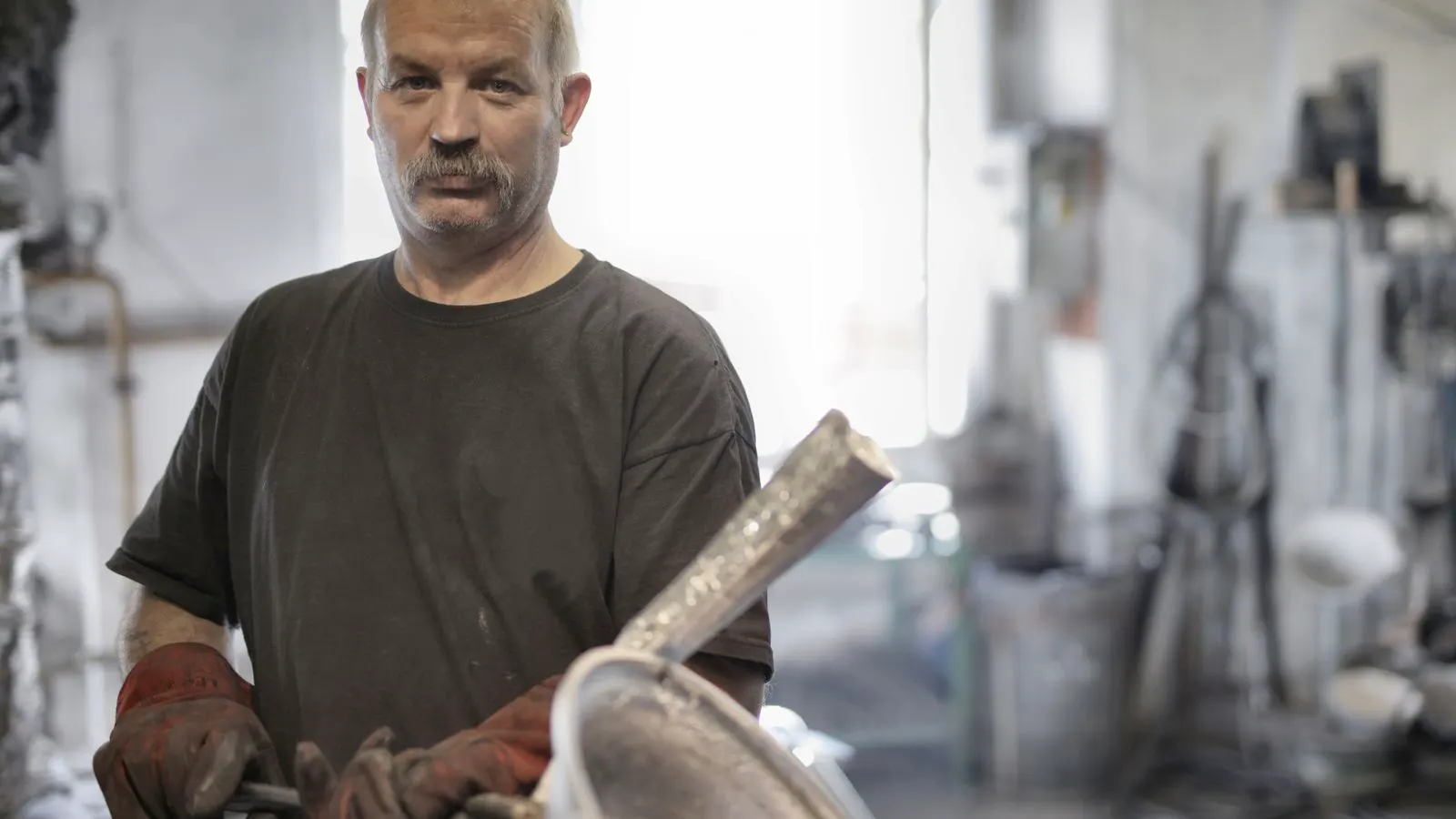
Labor is the second major cost driver. Investment casting is a multi-step process. The part moves through core making, mold preparation, pouring, finishing, and inspection. Each step requires skilled hands. A simple bracket may take a few minutes at each station. A complex turbine blade may take hours of careful hand work to ensure the core and mold align correctly.
The complexity of the part matters more than the size. A large, simple plate is often cheaper to cast per kilogram than a small, intricate pump housing. Thin walls, undercuts, and tight tolerances all increase labor time. They also raise the chance of defects. If a part fails inspection, the foundry must recast it. That recast uses more labor, more material, and more energy.
Buyers should think about labor when reviewing quotes. A supplier with a high-volume line may charge less per part because their workers are faster at a specific shape. A smaller shop may charge more, but they may offer better flexibility for custom work. The price difference is not always a penalty. Sometimes it reflects the level of service the buyer actually needs.
How tooling and overhead change the math
Tooling is a cost that often surprises first-time buyers. Before metal can be poured, the foundry needs a pattern. That pattern is a physical model of the part, usually made from wood, plastic, or metal. The pattern is used to form the core and the investment shell. If the part changes after the pattern is made, the foundry must rebuild it. That work costs money.
Overhead covers the rest of the operation. It includes the foundry floor, the kiln, the furnace, the power, the insurance, and the management team. These costs are spread across every part produced. If a foundry produces only a few hundred parts a year, the overhead cost per part is high. If they produce tens of thousands, the overhead cost per part drops.
This is why small batches often cost more per unit. The fixed costs of tooling and overhead are spread over fewer pieces. For budgeting, the buyer should ask how the supplier allocates tooling costs. Is it a one-time fee? Is it amortized over the first year of production? Understanding this structure helps predict costs when demand changes.
How quality and inspection add to the cost structure
Quality control is not an afterthought. It is built into the process. A foundry may perform dimensional checks after finishing. They may also run non-destructive tests to look for internal voids or cracks. For critical parts, such as those used in medical or automotive applications, these tests are mandatory. The cost of inspection is part of the final price.
The level of inspection depends on the application. A decorative garden ornament does not need the same scrutiny as a fuel system component. If a buyer asks for tight tolerances or special surface finishes, the cost rises. Extra machining, polishing, or plating adds labor and material. Each additional step moves the part further from the raw casting state and adds to the invoice.
When reviewing a quote, the buyer should see what is included in the quality section. Some quotes list inspection as a line item. Others bundle it into the base price. Either way, the buyer should know what checks are performed. If a part is critical, the cost of inspection is a small fraction of the risk of a failed part in the field.
How batch size and production volume change the cost
Volume is the most direct lever for reducing cost per part. When a foundry casts a large number of identical parts, they can run the process in a steady state. The workers get into a rhythm. The material is ordered in bulk, which often lowers the per-unit price. The tooling cost is spread over many pieces.
Small batches work differently. The foundry may need to change the mold, reset the furnace, or re-prepare the line for each new shape. That changeover time is expensive. It is a fixed cost that does not drop just because the part is small. For a prototype or a low-volume repair, the cost per part will be high. That is normal.
Buyers should align their production plan with the foundry’s capabilities. If a project starts with a small batch and then scales up, the supplier should know that early. They can design the tooling and process to handle the growth. If the buyer starts small and then suddenly demands mass production, the foundry may need to rework the setup. That creates cost and delay.
A worked example in plain words
Imagine a buyer needs a small aluminum bracket for a machine. The bracket is simple, with four holes and a flat base. The buyer orders fifty units. The supplier quotes a price based on the aluminum alloy, the labor for core making and pouring, and a small tooling fee for the pattern. The overhead is spread over fifty parts.
Now the buyer orders five hundred units. The supplier keeps the same pattern. The labor cost per part drops because the workers are faster at a repeated task. The aluminum is bought in a larger quantity, which may lower the per-kilogram cost. The overhead is spread over five hundred parts instead of fifty. The price per unit falls.
The key is that the change in volume does not change the basic work. It changes the economics. The tooling cost is the same. The labor time per part is slightly less. The material is cheaper in bulk. For budgeting, the buyer should model this effect. A quote for fifty parts and a quote for five hundred parts should look different, and the buyer should understand why.
How to align your budget with the foundry’s cost structure
The best way to budget for investment casting is to treat the quote as a conversation, not a final number. Ask the supplier to break down the cost. Which part is material? Which part is labor? Which part is tooling? Which part is inspection? When the buyer sees the breakdown, they can see where the price is driven.
If the material cost is high, the buyer can ask if a different alloy would work. If the labor cost is high, the buyer can ask if the design can be simplified. If the tooling cost is high, the buyer can ask if the pattern can be reused for future orders. These questions do not lower the price by magic. They lower the price by removing unnecessary work or risk.
Budgeting is a two-way process. The foundry needs to know the buyer’s constraints. If the buyer has a fixed budget, the supplier can suggest design changes that reduce cost. If the buyer has a strict timeline, the supplier can explain the cost of rush work. Clear communication prevents the most common mistake: finding out at the end that the price is higher than expected.
How to compare quotes without getting confused
When buying investment castings, the quote is the first place where cost becomes visible. Two suppliers may quote different prices for the same part. The difference is not always bad or good. It may reflect the supplier’s overhead, their material sourcing, or their level of service. A cheaper quote may include less inspection. A higher quote may include extra finishing.
Before comparing numbers, the buyer should standardize the request. Give the same drawings, the same material spec, and the same quantity to each supplier. Ask for the same level of inspection. If one supplier includes a surface finish and the other does not, the quote is not apples to apples. A fair comparison requires the same scope.
The final price is a result of the work performed. If the work is the same, the price should be close. If the price is far apart, the buyer should ask why. Sometimes the answer is simple. One supplier uses a local alloy mill. The other uses an imported one. Sometimes the answer is complex. One supplier has a new furnace. The other has an old one. Understanding the cost structure helps the buyer make a decision that fits their project, not just the lowest number on the page.
Frequently asked questions
What is the biggest cost driver in investment casting?
Raw material and labor are the two largest drivers. The alloy chosen and the complexity of the part shape determine how much material and skilled work is needed.
How does tooling cost affect the final price?
Tooling is a fixed cost. The pattern and core making setup are done once for a given design. For small batches, this cost is spread over fewer parts, so the per-unit price is higher.
Can I reduce the cost by changing the material?
Yes, but only if the application allows it. A less expensive alloy may reduce material cost, but it may not meet the strength or heat requirements of the part.
How does batch size change the cost per part?
Larger batches reduce the per-unit cost because fixed costs like tooling are spread over more pieces and labor becomes more efficient. Small batches carry a higher per-unit cost.
What should I ask the supplier to make the quote clearer?
Ask for a cost breakdown that separates material, labor, tooling, inspection, and overhead. This shows exactly where the price is coming from and makes it easier to compare suppliers.