Buyer's Guide to Investment Casting Lead Times
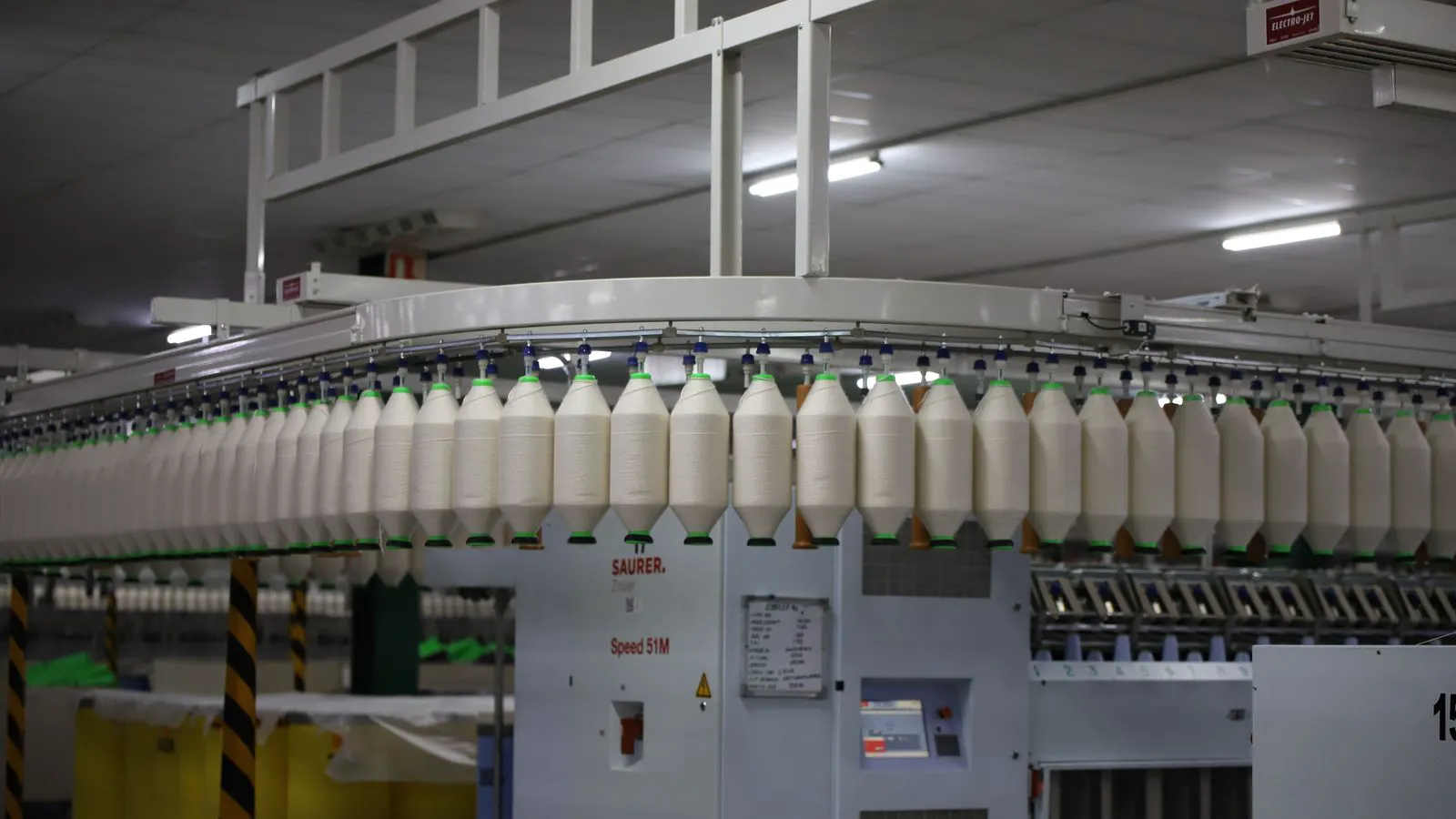
Evaluating investment casting lead times requires a clear breakdown of production phases. This guide explains how to assess supplier capabilities, identify bottlenecks, and use a structured checklist to negotiate reliable delivery schedules for your procurement planning needs.
- Break down the total lead time into distinct phases to identify where delays are most likely to occur.
- Use a standardized evaluation criteria table to compare supplier quotes based on timeline reliability and communication.
- Build buffer periods into your procurement planning to account for raw material variability and post-production delays.
- Negotiate milestone-based delivery schedules rather than relying on a single final delivery date.
- Maintain a documented decision checklist to standardize supplier selection and reduce procurement risks.
When selecting an investment casting supplier, many buyers focus initially on unit price. However, a poor delivery schedule can halt production lines and increase inventory costs significantly. This guide explains how to evaluate the manufacturing timeline and negotiate delivery schedules that protect your project.
Why Lead Time Evaluation Matters for Procurement
Lead time is not just a number on a quotation; it is a promise of resource allocation. In investment casting, the process involves multiple sequential steps, from mold preparation to machining. A long lead time is not inherently bad, but an unexplained one is a risk.
Suppliers that can break down their timeline provide transparency. They show you where your money and time are being spent. If a supplier cannot explain why a job takes forty days, you have lost the ability to negotiate effectively. You cannot plan production or manage inventory without understanding the drivers behind the schedule.
The Key Phases of an Investment Casting Timeline
To evaluate a quote, you must understand the standard phases of the manufacturing process. Each phase has a different duration and different risk factors.
- Order Confirmation and Design Review: This includes checking print accuracy and material specifications. Delays here are common if drawings are unclear.
- Core Making: Creating the cores that form the internal cavities of the part. This can be a bottleneck if the supplier uses manual labor.
- Mold Preparation: Coating the core and packing the investment material. The drying time for the mold is often fixed by material science.
- Casting: The actual pouring of the molten metal. This is relatively quick but depends on furnace availability.
- Post-Processing: This includes cutting the part from the shell, cleaning, and inspection.
- Machining and Finishing: Adding precise dimensions or surface treatments. This is often the most labor-intensive and variable phase.
If a supplier’s quote does not reflect these stages, ask for a breakdown. A standard manufacturing timeline should show the expected duration for each of these steps.
Evaluating Supplier Capabilities for Delivery
When comparing suppliers, do not look only at the final date. Look at their capacity and their methods. A supplier with a modern automated core room will have a different lead time profile than one relying on manual labor.
Consider the supplier’s material sourcing strategy. If they buy raw metal in bulk, they may have a shorter lead time for standard materials but a longer one for specialty alloys. If they purchase metal to order, the lead time will depend on the metallurgical market conditions.
Communication is also a critical capability. A supplier who proactively sends updates on progress is more reliable than one who only communicates when something goes wrong. This reliability directly impacts your procurement planning.
How to Negotiate Delivery Schedules
Negotiating lead time is not about demanding a faster date. It is about aligning the schedule with your production needs. If you need the parts earlier, you may need to change the scope.
You can shorten the timeline by:
- Providing fully finished drawings and specifications to avoid design review delays.
- Approving a sample mold early to prevent rework during the production phase.
- Accepting a higher price for expedited handling or priority scheduling.
Conversely, if your timeline is flexible, you can negotiate better pricing or better service levels. You can also agree on milestone deliveries, where a portion of the batch is delivered early to support your immediate needs.
A Criteria Table for Comparing Suppliers
Use the table below to structure your evaluation of multiple supplier quotes. This ensures you are comparing like with like.
| Criterion | What to look for | Why it matters |
|---|---|---|
| Phase Breakdown | Detailed timeline for each production stage | Helps identify specific bottlenecks and risks. |
| Material Source | Whether material is stocked or ordered on demand | Determines sensitivity to market volatility. |
| Communication Plan | Frequency of status updates and reporting method | Reduces uncertainty and improves proactive management. |
| Buffer Strategy | How the supplier handles delays or quality issues | Protects your production schedule from disruptions. |
| Flexibility | Willingness to adjust scope for expedited delivery | Allows you to meet urgent production deadlines. |
Building a Buffer into Your Procurement Planning
Even with a reliable supplier, external factors can delay delivery. Raw material shortages, equipment maintenance, or quality issues can add days to the manufacturing timeline.
Your procurement planning should include a buffer. A common approach is to add 10-15% of the total lead time as a safety margin. This buffer should be documented in your purchase orders and internal project schedules.
If your project has a fixed deadline, work backward from that date. Subtract the total lead time, then subtract your buffer. This gives you the latest date you can place the order. If the supplier’s quoted lead time exceeds this date, you must negotiate or change the scope.
Closing Decision Checklist
Before finalizing your supplier selection, run through this checklist to ensure your delivery expectations are realistic and negotiated.
- The supplier has provided a detailed breakdown of the lead time by phase.
- You have confirmed the material sourcing strategy and its impact on the timeline.
- You have established a communication plan for status updates.
- You have built a buffer into your internal procurement planning schedule.
- You have negotiated milestone deliveries or partial shipments if needed.
- You have documented the agreed-upon delivery schedule in the purchase order.
By following this structured approach, you can move beyond simple price comparisons. You can evaluate suppliers based on their ability to deliver on time, which is a critical factor in maintaining a stable production environment. A well-negotiated lead time is a protective measure for your entire supply chain.
Frequently asked questions
How long does a standard investment casting job take?
A standard job typically takes three to six weeks, but this varies significantly based on part complexity, material, and supplier capacity.
Can I shorten the lead time by paying more?
Yes, many suppliers offer expedited services for a premium. This usually involves priority scheduling and faster handling of post-production steps.
What is the most common cause of lead time delays?
Post-processing and machining are the most common sources of delay, as they are labor-intensive and can be affected by quality issues or equipment availability.
How should I communicate timeline changes to my supplier?
Always communicate changes in writing and reference the specific order number. This creates a clear record of the revised schedule and expectations.
Is it better to order from one supplier or split orders?
Splitting orders can provide a buffer against single-supplier delays, but it may increase per-unit costs and complicate quality control. Evaluate based on your specific risk tolerance.