Buyers Guide: Selecting Cast Aluminum Alloys
Selecting the right aluminum alloy for investment casting depends on balancing mechanical strength, corrosion resistance, and thermal performance. This guide explains how to match specific alloy properties to your part's operating conditions and cost requirements.
- Match alloy strength and thermal resistance to the part's actual operating environment, not just the design drawing.
- Corrosive environments often require specific alloy additions, such as silicon or manganese, to prevent failure.
- Always verify alloy certification documents and heat numbers before accepting a batch of cast parts.
- Discuss material options with your foundry early, as some alloys are difficult to cast or require special tooling.
- Factor in post-casting operations, as some alloys are harder to machine or surface finish than others.
The selection of an aluminum alloy for investment casting depends on a careful balance between mechanical performance, thermal behavior, and cost. Choosing the wrong material can result in part failure, excessive post-processing, or higher production costs. This guide outlines the criteria buyers need to evaluate when specifying a casting material for their projects.
What Mechanical Properties Drive Your Alloy Selection?
The service conditions of the part determine the minimum mechanical requirements. Tensile strength, yield strength, and ductility are the starting points. A part that carries a static load requires a different strength profile than one that undergoes cyclic stress. For example, a structural bracket in a vehicle chassis faces different fatigue loads than a heat sink fin that experiences thermal cycling. A chassis bracket must resist bending and torsion, while a heat sink fin primarily needs to transfer heat without warping.
Ductility matters as much as strength. High-strength alloys are often less ductile. If a part experiences impact loads or sudden deformation, a brittle alloy will crack. This is especially true for thicker sections that cool slower and may develop a harder microstructure. Buyers should define the expected service stresses in their specifications. Vague requirements like “needs to be strong” lead to over-specification and higher costs. The engineering team should calculate the maximum expected load and apply a safety factor. This calculation determines the required yield strength. If the part is subject to vibration, the fatigue limit must be checked against the calculated stress cycles.
Fatigue resistance is a separate consideration. If the part vibrates or cycles through temperature changes, the alloy’s fatigue limit becomes the critical property. Some aluminum alloys handle thermal cycling well. Others develop stress corrosion cracks over time. The foundry can advise on which alloys are proven for specific cycle counts. For instance, an alloy that performs well in a static test may fail after a few thousand thermal cycles due to metal fatigue. The foundry should be asked about the expected service life of the part and whether the alloy has a proven track record in similar applications.
How Do Thermal Requirements Affect Alloy Choice?
Thermal conductivity is a primary driver for heat dissipation parts. High-conductivity alloys move heat away from hot components quickly. This is essential for power electronics, automotive engine parts, and aerospace thermal management systems. The base aluminum alloy’s conductivity can vary. Adding certain elements improves strength but reduces conductivity. Pure aluminum has the highest conductivity but the lowest strength. Alloys with copper or silicon additions have lower conductivity but higher strength. For a heat sink, the balance between the two is critical. If the part is used in a high-power electronics application, the thermal resistance of the joint between the chip and the heat sink is also important. The alloy choice affects the surface finish and the quality of the thermal interface material.
Thermal expansion is the other key factor. Aluminum parts operate at different temperatures than the surrounding structure. If the part is bolted to a steel bracket, the mismatch in expansion rates creates stress. Repeated heating and cooling cycles can loosen fasteners or crack the part. The coefficient of thermal expansion must be considered alongside conductivity. For example, an aluminum heat sink mounted on a steel chassis will expand and contract at different rates. This differential movement can cause micro-cracks in the heat sink or strip the threads of the mounting bolts over time. Designers should specify the maximum temperature differential between the aluminum part and the attached structure. This helps the foundry select an alloy with a compatible expansion coefficient.
For parts that operate at high temperatures, thermal stability becomes critical. Some alloys soften or lose strength well below their melting point. If the part operates near 200 degrees Celsius, the alloy must retain its mechanical properties at that temperature. The foundry should provide data on strength retention at the maximum operating temperature. An alloy that is strong at room temperature may be too soft at 200 degrees. The foundry can recommend alloys that have been tested for high-temperature service. For example, an alloy used in an exhaust system must withstand constant heat without warping or losing structural integrity. The foundry should provide a data sheet that lists the yield strength at the maximum operating temperature.
Which Corrosion Resistance Do You Need?
Corrosion resistance is often the deciding factor in alloy selection. Standard aluminum alloys form a protective oxide layer, but this layer can be compromised in certain environments. Marine applications, chemical processing, and high-humidity environments demand higher corrosion resistance. The oxide layer is self-healing but can be damaged by abrasion or chemical attack. Once damaged, the underlying aluminum is exposed and corrodes rapidly.
The specific environment dictates the required protection. Saltwater exposure is more aggressive than fresh water. Chemical exposure depends on the type of chemical and its concentration. If the part is in contact with aggressive fluids, the alloy composition must be selected to resist that specific attack. For example, an alloy that resists saltwater may not resist hydrochloric acid. The foundry should be provided with the specific chemical environment. This includes the type of fluid, its concentration, and the temperature. This level of detail allows the foundry to select the correct alloy. A general “marine grade” requirement is too vague for a foundry to select the correct alloy. The foundry may need to consult with a metallurgist to determine the best alloy for the specific conditions.
Some alloy additions improve corrosion resistance. Others make the part more susceptible to stress corrosion cracking. This is a trade-off that requires detailed environmental analysis. For instance, adding copper to an aluminum alloy increases strength but can increase susceptibility to stress corrosion cracking in alkaline environments. The foundry should be aware of the specific environment and the mechanical loads on the part. If the part is under stress and in a corrosive environment, the risk of stress corrosion cracking is higher. The foundry can recommend alloys that are resistant to both stress and corrosion.
How Do Casting Process Constraints Influence Material Choice?
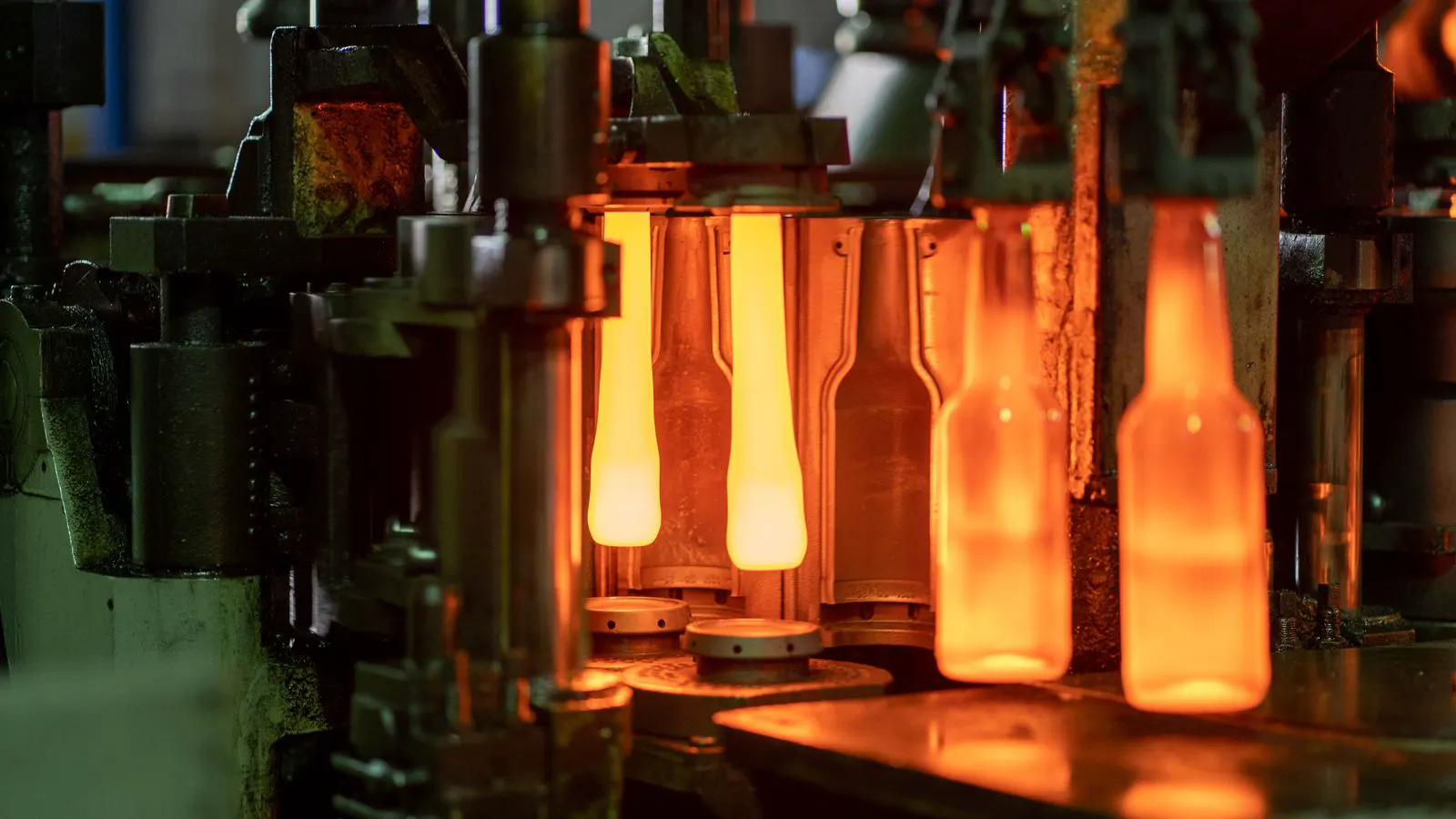
Not all aluminum alloys are easy to cast. Some have wide freezing ranges that cause shrinkage and porosity. Others are difficult to machine after casting. The foundry’s experience with specific alloys matters. The casting process for investment casting involves pouring molten metal into a ceramic mold. The alloy’s behavior during solidification is critical. If the alloy solidifies too slowly, it may develop shrinkage voids. If it solidifies too quickly, it may trap gas in the mold.
Freezing range is a key casting characteristic. A narrow freezing range produces a denser, more uniform casting. A wide freezing range can lead to shrinkage voids and hot tearing. The foundry must have experience with the specific alloy to control these issues. For example, an alloy with a wide freezing range may require a slower pour rate to prevent hot tearing. The foundry should be asked about their process parameters for the specific alloy. They should be able to explain how they control the solidification rate and how they inspect the casting for defects.
Machinability is another constraint. Some alloys cut cleanly. Others work harden during machining, requiring slower feeds and more tooling. If the part requires extensive machining, the alloy choice affects production time and tool cost. An alloy that work hardens may require a carbide tool instead of a standard steel tool. This increases the tool cost and the machining time. The foundry should be asked about the machinability of the alloy. They should be able to provide data on the cutting speed and feed rate. This helps the buyer estimate the post-processing cost.
The foundry should be asked about their experience with the specific alloy. A foundry that routinely casts one alloy may not have the tooling or process knowledge for another. This can affect lead time and quality. The foundry should be able to provide examples of parts they have cast with the specific alloy. They should also be able to explain any known issues with the alloy. For example, an alloy may be prone to porosity if not cast at the correct temperature. The foundry should have a process for detecting and preventing these issues.
What Are the Cost Implications of Different Aluminum Alloys?
Aluminum alloy cost is driven by raw material, processing, and post-casting operations. Premium alloys with specific additions cost more per kilogram. The price difference may be small relative to the total part cost, but it adds up over volume. A premium alloy may cost 10 to 20 percent more than a standard alloy. For a small part, this difference is negligible. For a large part or a high-volume production run, the difference can be significant.
Post-casting operations can dominate the cost. If an alloy requires extensive machining or surface treatment, the labor and tooling costs can exceed the material cost. A cheaper alloy that is difficult to machine can end up more expensive than a pricier alloy that machines cleanly. For example, an alloy that requires 50 percent more machining time will have a higher post-processing cost. The foundry should provide a cost breakdown that includes material, casting, machining, and finishing. This helps buyers understand where the cost is coming from. Sometimes a small change in alloy specification can reduce post-processing costs significantly.
The foundry should provide a cost breakdown that includes material, casting, machining, and finishing. This helps buyers understand where the cost is coming from. Sometimes a small change in alloy specification can reduce post-processing costs significantly. For example, selecting an alloy with a better machinability rating may reduce the machining time by 30 percent. This reduction in time can lower the overall cost of the part. The foundry should be asked to provide a detailed cost breakdown. This allows the buyer to compare different alloys based on total cost, not just material cost.
How Do You Verify Alloy Certification for Cast Imports?
Certification is a non-negotiable requirement for critical applications. Every batch of cast aluminum should come with a certificate of conformance. This document lists the alloy composition, heat number, and test results. The certificate should match the specification in your drawing. Discrepancies between the drawing and the certificate are a red flag. If the part is for aerospace, medical, or safety-critical applications, the certification must be traceable to the original heat.
The certificate should match the specification in your drawing. Discrepancies between the drawing and the certificate are a red flag. If the part is for aerospace, medical, or safety-critical applications, the certification must be traceable to the original heat. The heat number is a unique identifier for the batch of metal used to cast the part. This allows the buyer to trace any issues back to the original material. The foundry should provide the heat number on the certificate. This allows the buyer to verify that the material meets the required specifications.
Buyers should require the foundry to provide mill test reports or equivalent documentation. This allows quality control teams to verify that the material meets the required specifications. Without proper certification, there is no way to confirm that the part is safe for its intended use. The mill test report should include the chemical analysis of the alloy. This analysis confirms that the alloy composition meets the required limits. The report should also include the test results for mechanical properties. This confirms that the alloy meets the required strength and ductility specifications.
Final Decision Checklist
Before finalizing your alloy selection, run through this checklist:
- Define the operating environment. Temperature, humidity, chemical exposure, and load type must be specified in the drawing.
- Identify the critical mechanical properties. Tensile strength, yield strength, ductility, and fatigue resistance should be stated with minimum values.
- Specify thermal requirements. Thermal conductivity and coefficient of thermal expansion must be defined for heat dissipation or structural parts.
- State the corrosion resistance level. The specific environment must be described, not just a general grade.
- Confirm the foundry’s experience. Ask about their history with the specific alloy and any known casting issues.
- Request a cost breakdown. Material, casting, machining, and finishing costs should be itemized.
- Require certification documentation. Mill test reports or equivalent must be provided with each batch.
- Discuss post-casting operations. Machinability and surface finish requirements should be part of the alloy selection.
Frequently asked questions
Can I use any aluminum alloy for investment casting?
No. Some alloys are difficult to cast due to their freezing range or shrinkage behavior. The foundry must have experience with the specific alloy to produce a quality part.
How do I know if an alloy is strong enough for my part?
Compare the alloy's tensile and yield strength to the expected service loads in your drawing. If the part experiences cyclic loading, also check the fatigue limit.
Does the alloy affect how easy the part is to machine?
Yes. Some aluminum alloys cut cleanly. Others work harden during machining, requiring slower feeds and more tooling. This can significantly affect production cost.
What documentation do I need to verify the alloy?
Require a certificate of conformance or mill test report with each batch. It must list the alloy composition, heat number, and test results matching your drawing.
Can I change the alloy after the mold is made?
It is possible, but it may require changes to the mold or process. Some alloys cast differently than others. Discuss any changes with the foundry before committing.